Breadcrumb
Respite Care
Learn about respite care, which provides time off from caregiving duties by providing 24-hour care for your loved one in a long-term care facility.
Short-stay service: In-facility respite care
In-facility respite care is short-term, temporary relief to those who are caring for family members who might otherwise need additional home support or admission to a long-term care home.
Respite provides a much-needed, temporary break from the often-exhausting challenges faced by a family caregiver. Respite is a planned short-term and time-limited admission to a long-term care facility, which provides a break for families and other unpaid caregivers to support and maintain the primary caregiving relationship. Respite can also provide a positive experience for the person receiving care.
If you want to learn more about how to access respite care for your loved one, please contact our Central Intake office at 1-800-707-8550. If your loved one is already receiving home health services in your local area, you can contact your local care manager at the Home and Community Care Office to learn more.

If you receive publicly subsidized short-stay services, you will pay a fixed daily rate as per cost for short-stay services. If you or your family believes you will experience serious financial hardship by paying this rate, you may apply for a temporary reduction by contacting your Home and Community Care Office.
Suggested items to bring with you during a respite stay:
-
List of current medications
-
Provincial Health Number (PHN)
-
Emergency contact information
-
Washable clothes
-
Mobility aids (e.g., wheelchairs, walkers, canes, walking shoes)
-
Personal items (e.g., hearing aids, dentures, toiletries)
-
Other items (e.g., books, calendar, a framed photo or other memento, cell phone, address book, cheque book or pocket money)
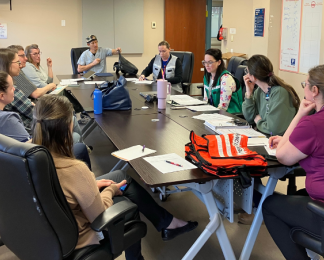
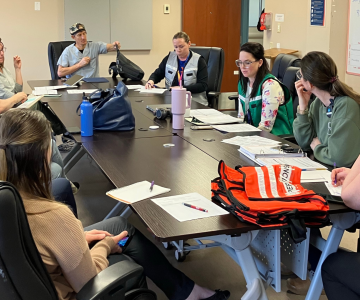
IH’s CMH redevelopment team travelled around Cariboo to reconnect with Indigenous communities and share how their input is shaping the hospital's new building.
/stories/closing-circle-indigenous-communities-shaping-future-cmh
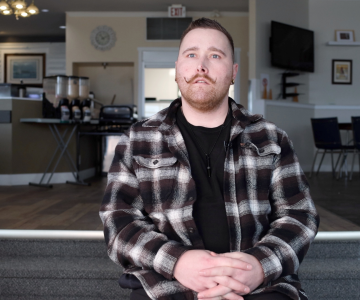
Chris Turner turned to addiction as a teenager, but through his recovery has become a mentor to give hope to others battling addiction.
/stories/what-worked-me-chriss-focus-daily-skills-helps-recovery
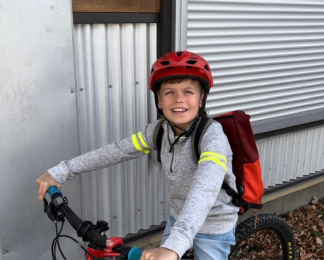
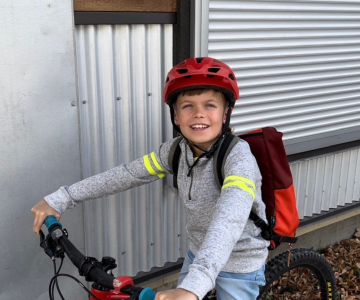
Find tips for walking, biking or rolling to school safely. Learn how to make it safer to travel to school in your community.
/stories/how-walk-bike-or-roll-school-safely
For Kelli Hartman, nursing was never just a career choice. It was a calling. What she didn't expect was where that calling would take her.
/stories/we-are-ih-retired-nurse-still-makes-difference-long-term-care
What worked for Saras addition recovery was the connections and relationships she formed at IH that changed her life.
/stories/what-worked-me-saras-journey-surviving-living
With B.C.’s ongoing toxic drug crisis., it’s more important than ever to know how to recognize the signs of an overdose and what to do if someone needs help.
/stories/knowing-signs-opioid-overdose-could-save-life
STAY CONNECTED
Receive news, alerts, public service announcements and articles right to your inbox.