Background

In collaboration with BC health authorities, Physician Quality Improvement (PQI), a flagship initiative of the Specialist Services Committee (SSC) of the Doctors of BC, works to enhance physician capacity in QI by providing training and hands-on experience through action learning projects, ultimately promoting a culture of learning, openness, and dedication to improving the health-care system. PQI also offers ongoing Alum opportunities and Spread QI support.
In 2019, the PQI program was introduced at Interior Health and has become a key driver of physician-led change in health care.
To register for Level 1, please email PQI@interiorhealth.ca.
IH PQI Level 2 Recruitment Flyer & Course Overview
To register for Level 2, please click here.
Not sure if your idea is a good fit for a QI project? Learn what makes a strong QI project here.
To apply for Cohort 9, click here.
For an up-to-date list of PQI projects across the province visit: The Exchange: Quality Improvement Projects Directory
Interior Health is committed to maintaining strong engagement with PQI Alums. Over 175 Graduates (Physicians and IH Operational Dyad leaders) of the IH PQI program continue to collaborate and share best practices through an active Alum program. PQI Alum’s have leveraged their QI learning through teaching, coaching, collaborating, and connecting with each other and health authority leadership.
The IH PQI Alum Program includes opportunities for further collaboration and learning through annual gatherings such as the Alum Summit, Cohort Corner (a regional webinar series), a formalized Alum Regional Council and various PQI Project pathways such as the newly established Alum Project Impact Cohort (APIC). Alum work prioritizes impact and includes IH, SSC and MoH organizational and strategic priorities. These programs are helping to create a culture of continuous health care improvement and enhancing the delivery of quality patient centered care.
What makes a highly successful health-care organization? Interior Health leadership believes in pairing medical and operational leaders as a dyad to foster a culture of learning, trust, and shared vision.
Dyads, by definition, are two individuals who work together as co-leaders of a particular system, division, clinical service line, or project. A PQI dyadic partnership is two health-care professionals (i.e. a physician matched with an operational leader) who are committed to the partnership.
In British Columbia, the evolution of health-care delivery continues to shift from a physician and independent operational approach towards an integrated system that focuses on quality. This new approach aims to engage physicians to lead in quality improvement and innovate in a direction that optimizes service experience while improving patient outcomes
To learn more about Spreading Quality Improvement (SQI), please click here.
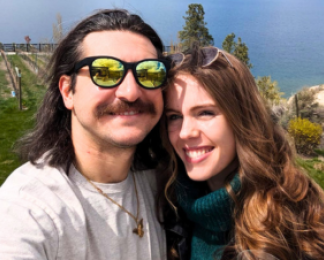
Travel nurses Michaela and Nick moved from Ontario to B.C., finding careers, community and a new home in Coldstream.
/stories/2026-09-18/travel-nursing-brings-ontario-couple-new-home-coldstream
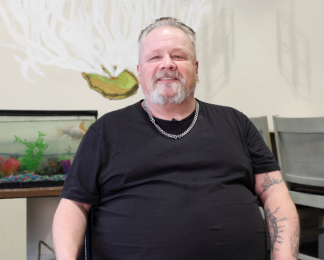
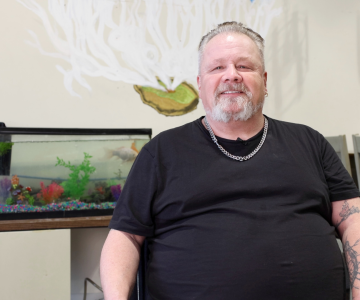
By sharing his story, Dave hopes others struggling with addiction understand that recovery is possible and that support is available.
/stories/2026-09-17/what-worked-me-daves-healing-journey-addiction
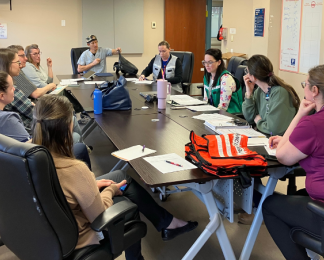
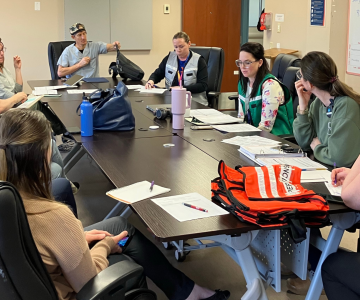
For IH, wildfire preparedness is shaped by years of experience, regular training, exercises, inventories and relationships with partners across the region.
/stories/2026-09-15/ih-prepares-wildfire-season-long-smoke-arrives
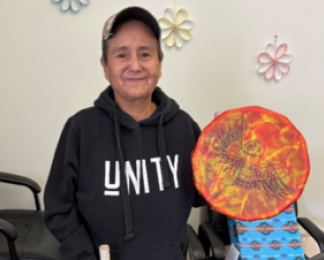
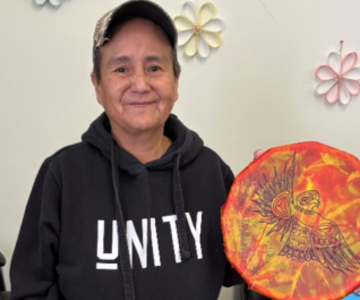
IH’s CMH redevelopment team travelled around Cariboo to reconnect with Indigenous communities and share how their input is shaping the hospital's new building.
/stories/2026-09-10/closing-circle-indigenous-communities-shaping-future-cmh
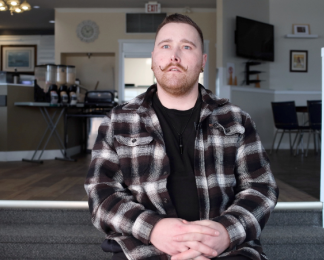
Chris Turner turned to addiction as a teenager, but through his recovery has become a mentor to give hope to others battling addiction.
/stories/2026-09-09/what-worked-me-chriss-focus-daily-skills-helps-recovery
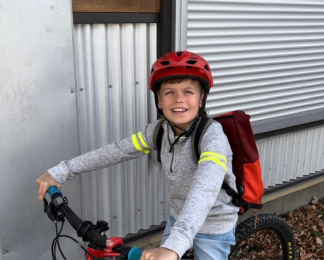
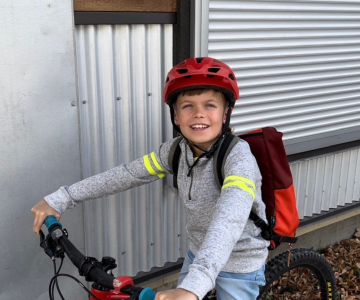
Find tips for walking, biking or rolling to school safely. Learn how to make it safer to travel to school in your community.
/stories/2026-09-04/how-walk-bike-or-roll-school-safely