
We are IH: Staff who work together for patient comfort, safety
Interior Health (IH) delivers care through hospitals, clinics, long-term care homes, and other facilities. Behind the scenes many teams work together to keep these facilities safe, comfortable and sustainable.
They integrate key considerations such as HVAC systems, thermal energy priorities, and climate responsibilities into capital projects that support quality environments for patients and staff.
This includes managing how buildings use and generate energy to lower greenhouse gas emissions, and ensuring healthy indoor air quality.
Major infrastructure and energy projects rely on close collaboration across departments: Plant Services in partnership with Clinical Operations identify the needs and operational priorities, while the Project Management team plans, scopes and coordinates each project.
Once construction is complete, projects transition back to Plant Services, where regional plant managers oversee safe operations, maintenance and long-term performance.
Throughout the process, the Energy Management team provides expertise in efficiency, emissions reduction and sustainability. Together, these teams ensure IH facilities remain reliable, climate‑aligned and focused on protecting patient and staff well-being.
Meet some of the team members who bring this process to life and learn about their roles.
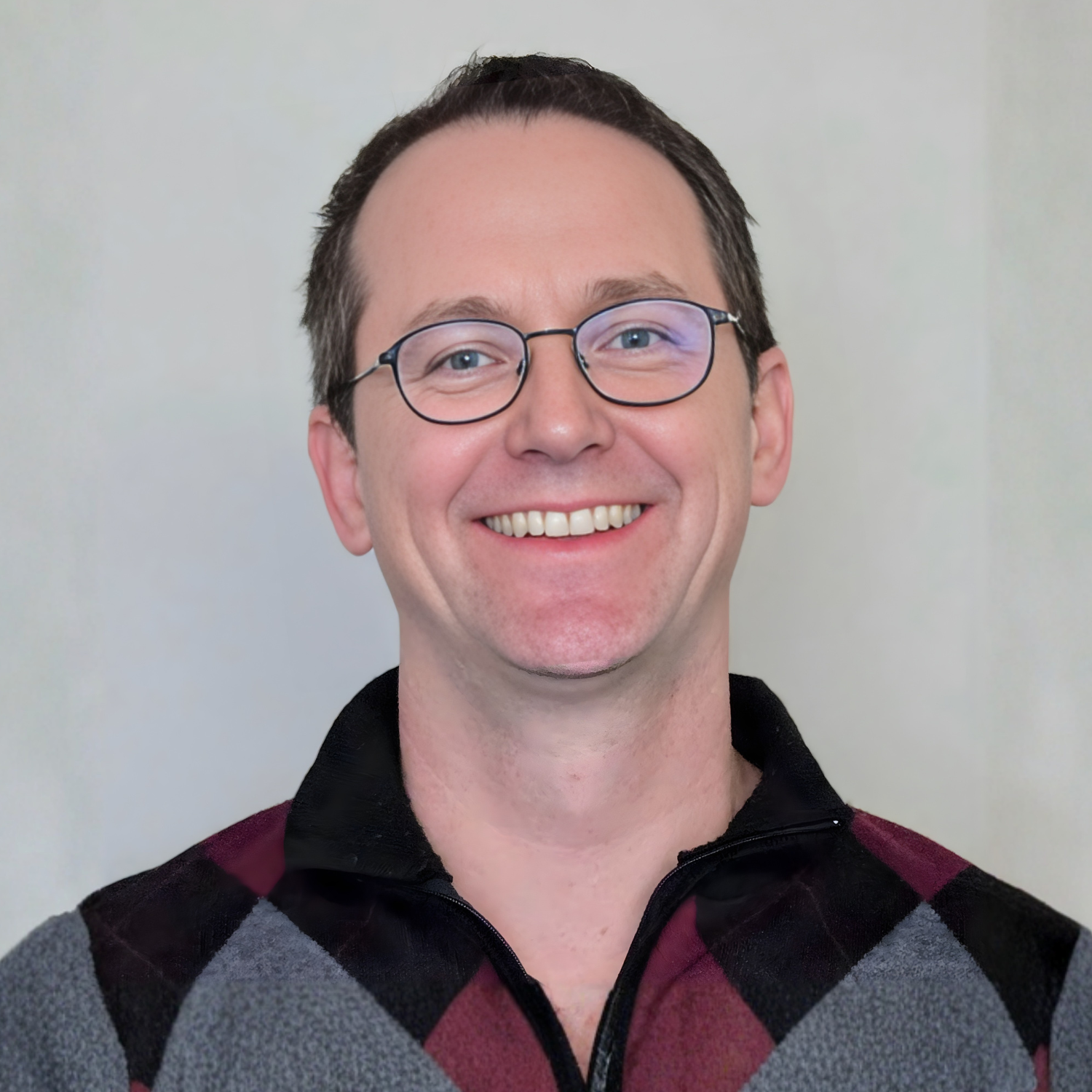
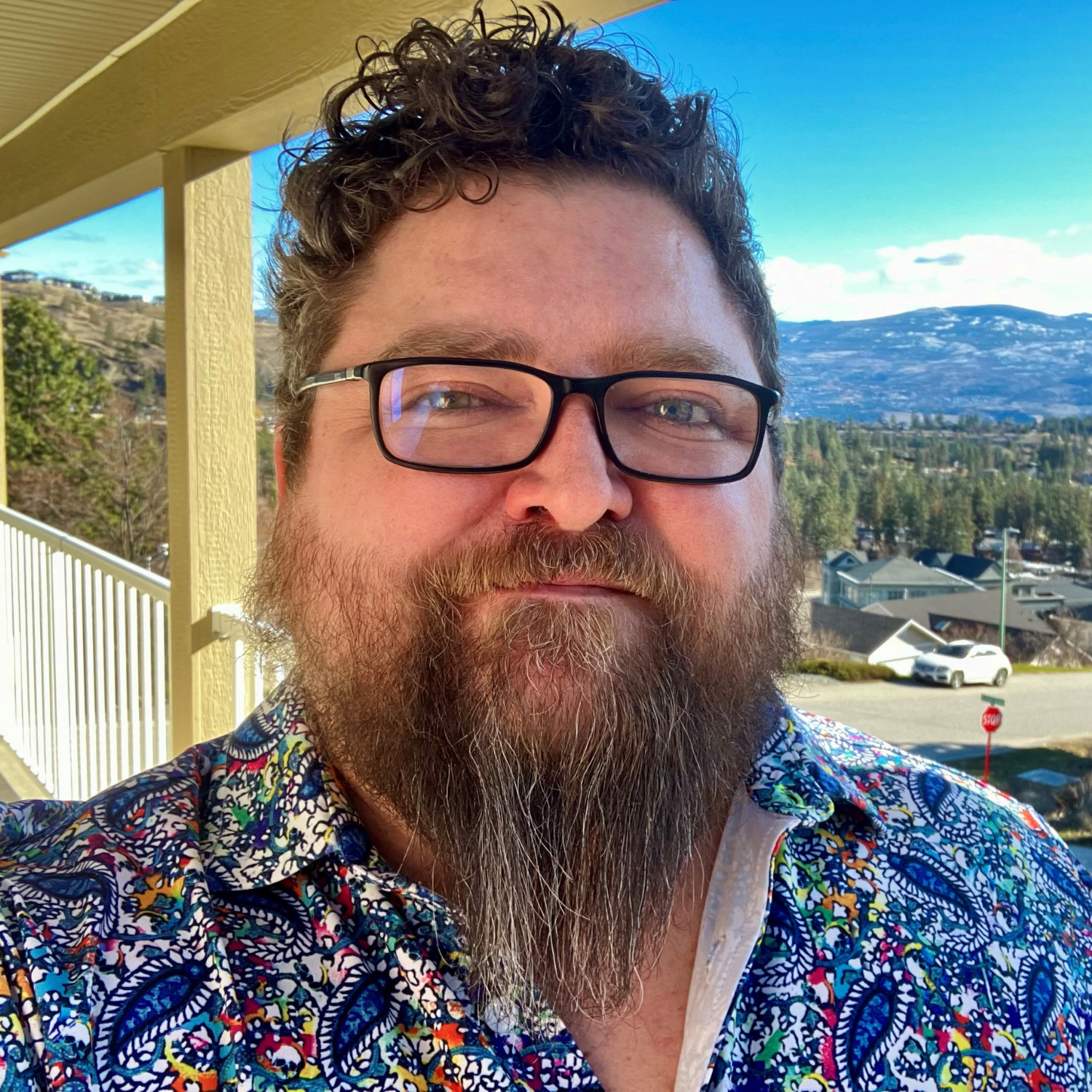
Andrew Hogg, Regional Plant Manager
Andrew: My role is to support the plant services team in the Kootenay Boundary region to ensure the facilities are operating efficiently while meeting current codes and standards. I also work to prioritize capital projects, to ensure improvements occur prior to failure.
Andrew: I am a Red Seal electrician with two decades of experience in Building Automation Systems (BAS), which control the heating, ventilating and air conditioning (HVAC) systems of our health-care facilities. When I started with IH I worked on systems that I personally installed and was able to work to improve operations as a technician. During that time my interest grew to energy management, which led me to complete the Sustainability Energy Management Advanced Certificate at BCIT. Once I completed that it gave me an opportunity to pursue the energy specialist role to further support my interest in building system optimization, and engagement. That was really what made me aware of the plant services manager position as it allowed me to engage staff and drive improvement projects from an optimization lens. So, my interest in building systems naturally guided me into this role.
Andrew: When I started with IH I was an Instrumentation Technician working with the facilities group to make BAS improvements and ensure the HVAC systems were operating as per design. I had a keen interest in the building systems and how everything tied together to ensure safe and comfortable conditions in the spaces. In that role I really enjoyed the team, and since I knew the buildings very well, I felt it was a great opportunity for me when the manager role came up.
Andrew: My background is in building automation, so the fact that all buildings are running on updated building automation systems is a big milestone for me. This is an ever-evolving system and both patients and staff benefit from having that feature current.
Andrew: Over the last three years one of my biggest projects has been the Nelson Health Campus. It was interesting to be a part of that project, as it was unique in how it all came together. Though there were challenges over the course of the project, the impact to the community is very positive.
Andrew: Lots of improvements occurring at Kootenay Boundary Hospital, which would see aging systems replaced. Seeing them complete this year is pretty exciting as they have been prioritized for some time.
Andrew: Once approved the project managers drive the project, and plant services are the boots on the ground. So, there is lots of collaboration on identifying the scope and outlining any current operational issues. Energy management will work in the planning stage and provide support to ensure projects are moving facilities towards our emissions goals. However, plant services are really the experts when it comes to knowing the buildings. The project team and energy management lean on them to give that knowledge needed to have a successful project.
Andrew: Collaboration; we have a great team supporting the IH facilities in the Kootenay Boundary region. Everyone brings something to the table and together we are making these facilities run reliably and efficiently.
Andrew: To support this role any experience in a trade is a huge asset, whether it be building construction, electrical, mechanical or power engineering. Also, a huge piece of it is customer service.
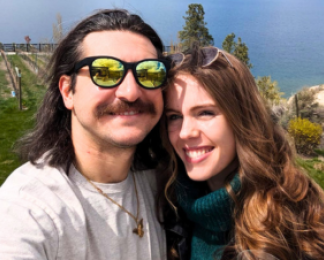
Maxwell McLaughlin, Project Manager, Capital Planning and Projects
Maxwell: As a Project Manager in Capital Planning and Projects, I am accountable for delivering health-care capital projects safely, on schedule, and within approved budgets.
Day to day, my role centers on coordination, risk management and decision facilitation. I lead multidisciplinary teams—including architects, engineers, and interested parties in Clinical Operations, Infection Prevention, Plant Services, Biomedical, Digital Health and Operations—to translate highly technical information into clear, informed decisions.
A key part of my role is ensuring alignment: aligning clinical needs with design intent, aligning scope with budget, and aligning schedule with operational constraints in active health-care environments. I typically manage 10–16 projects concurrently, so strong prioritization, communication discipline and financial oversight are critical to maintaining momentum across my portfolio.
Maxwell: My background is in architectural and building engineering technology, with a specialization in Building Science from BCIT. That education gave me a strong technical foundation in building systems, envelope performance and construction methodology.
I began my career in project management within the glazing industry, then progressed to a general contractor, and later led residential construction projects. Those roles gave me hands-on experience in cost control, subcontractor coordination and field execution.
Transitioning into health-care capital projects allowed me to apply that construction experience within a mission-driven environment. In health care, the projects we deliver directly support patient care and community health, which adds a level of responsibility and purpose that I value deeply.
Maxwell: I was drawn to health-care project management because it combines technical complexity with meaningful impact. These projects require rigorous coordination, regulatory awareness and operational sensitivity—but they also directly improve patient access and quality of care.
The ability to solve complex problems while supporting frontline health-care delivery is what makes this work especially rewarding.
Maxwell: A typical day involves coordination with interested parties, consultant review, risk assessment and financial oversight across multiple active projects.
This may include:
- Chairing design coordination meetings
- Reviewing drawings and cost estimates
- Managing scope changes and budget impacts
- Coordinating with plant services on infrastructure implications
- Addressing operational concerns in live clinical environments
Because these projects occur in active health-care facilities, proactive communication and forward planning are essential to minimize disruption and maintain safety.
Maxwell: I’m particularly proud of delivering a new mammography suite at Shuswap Lake General Hospital in 2023. Prior to this project, residents had to travel to Vernon or Kamloops for screening. By delivering this service locally, we significantly improved access to care, reduced travel risk and strengthened preventative health services within the community.
Another highlight was in 2020 when a new testing machine was delivered for the Kelowna General Hospital Lab during peak pandemic demand in 2020. We converted shell space into a sterile laboratory and completed a project that would normally take 8–10 months in just two months.
The accelerated delivery required tight coordination, fast-tracked procurement, and disciplined stakeholder alignment. Once operational, the equipment tripled testing capacity and dramatically reduced turnaround times during a critical period.
Maxwell: I’m excited about the upcoming operating room (OR) upgrades at Queen Victoria Hospital. The existing operating theatres date back to 1970 and require full modernization.
The complexity lies in executing demolition and reconstruction adjacent to an active sterile surgical environment while keeping at least one OR operational. This requires detailed infection control planning, phased construction sequencing, and close coordination with clinical leadership and Plant Services.
It’s a technically demanding project with high operational sensitivity—exactly the type of challenge that defines health-care capital delivery.
The modernization and upgrades will benefit patient care through improvements to surgical visibility, infrastructure and safety.
Maxwell: Our projects are closely integrated with Thermal Energy, Plant Services and Regional Plant Managers because nearly every capital initiative impacts mechanical, electrical or infrastructure systems.
We engage these teams early in design to understand system capacity, operational risks and maintenance considerations. Their institutional knowledge is critical to ensuring projects are constructible, maintainable, and safe within existing facilities.
In health-care construction, infrastructure coordination is not optional—it is foundational.
Maxwell: “Form follows function.” —Louis Sullivan
In health-care construction, function is paramount. Clinical workflows, sterility standards, equipment integration and patient movement must drive design decisions.
I approach every project by asking, how will this space function under real clinical conditions? When function leads, quality and safety follow.
Maxwell: This role suits individuals who enjoy solving complex problems in dynamic environments. Every day presents new technical, operational and interpersonal challenges.
Success requires:
- Strong communication skills
- Financial discipline
- Comfort with ambiguity
- Respect for specialized expertise
- The ability to bring diverse professionals into alignment
Health-care project management is about translating complexity into clarity—and ensuring the outcome supports those delivering care.
Shari Imada, Thermal Energy Manager
Shari: As an energy manager, I focus on energy efficiency and associated greenhouse gas emissions within the IH building portfolio. I focus on initiatives that will reduce energy use in buildings and transition to clean sources of energy by strategically planning at a portfolio level, program delivery and on projects for individual buildings.
Shari: I am a Professional Engineer (Civil) and started off my career working for a developer of seniors’ residences. Eventually I returned to school to obtain a Master of Environmental Design from University of Calgary. My thesis was on sustainable building construction. I then spent several years working as a consultant performing energy modelling and helping project teams attain Leadership in Energy and Environmental Design (LEED) certification.
Shari: As a child, I spent a lot of time at our family cottage in the Kawarthas, in southern Ontario. This immersion into nature alongside my interest in the built environment, has inspired me to work in the green buildings field which then evolved to climate mitigation and energy management.
Shari: I use many diverse skills working on a myriad of programs and projects. These Include:
- Developing and writing our Strategic Energy Management Plan
- Leading change and engaging through our Energy Management Assessment to infuse energy management throughout IH
- Giving technical guidance to the Capital Project and Planning and Major Capital Projects teams on capital projects
- Advising P3 Operations on the topics related to compliance to P3 energy contracts
I make sure I’m always working on an innovation project as well to satisfy my creative side. Right now, I’m working on a building envelope thermal assessment demonstration project using drone and AI technology.
Shari: There are two items that come to mind. One is a pilot project involving a new technology, a gas engine heat pump, that was installed at Gillis House long-term care centre in Merritt. This project is innovative in that it provides better efficiency achieved by a heat pump, while providing thermal comfort and climate resilience by using a diverse fuel to meet the increased cooling needs.
The other achievement is the increase in cross-organization engagement provided by my support in new and retrofit capital projects and our Energy Management Assessment initiative. I enjoy providing information that supports others to make sustainable choices.
Shari: I am looking forward to working with Capital Projects Delivery and our consultant on a energy retrofit at Swan Valley Lodge in Creston. We hope to make meaningful positive changes for residents, while lowering energy use and achieving emissions reductions, by measures such as updating the building controls and installing a heat recovery system.
Shari: I mainly work in collaboration with project managers and Plant Services operations staff during the design stage of the projects, where I highlight energy efficiency and emissions reduction opportunities in capital projects, with an eye to thermal comfort. Project commissioning is also a very important phase, making sure that systems perform as intended during the design.
Shari: I’m motivated by doing my best to both protect Canada’s natural beauty, and to lessen the sometimes-devastating impact of climate change here and worldwide. I think of my children and future generations, and hope that they can experience the same quality of life that I have been so fortunate to have.
Shari: Passion for both the built environment and sustainability is key for this career. Energy managers need to develop technical knowledge, and engagement and change leadership skills, as these are equally important to advance energy management across organizations and project teams.
Check out more stories like this
Dr. Neil Crofts reflects on a career defined by leadership, service and a lasting commitment to the communities he served.
/stories/community-minded-physician-and-leader-leaves-lasting-mark
Returning home after an evacuation can be a relief. Depending on how long you've been gone, and the condition of your home, you may need to follow precautions.
/stories/returning-home-after-evacuation
Find out how to access the health care you need if you're living situation changes due to a wildfire
/stories/accessing-care-if-youre-evacuated-due-wildfire
Wildfires and natural disasters have many impacts on mental health and well-being. Here are some tips that can help with the stress from wildfire season.
/stories/how-take-care-your-mental-wellness-during-wildfire-season
Choosing to practice medicine in a small community in Canada wasn’t part of Babatunde’s original plan, but he’s glad he took the leap.
/stories/we-are-ih-cranbrook-doctor-finds-meaning-rural-bc-health-care
The IH Indigenous health & wellness podcast explores the intersection of health & culture in the workplace, everyday lives and patient care.
/stories/celebrating-interior-voices-podcast-75th-episode-launches
STAY CONNECTED
Receive news, alerts, public service announcements and articles right to your inbox.