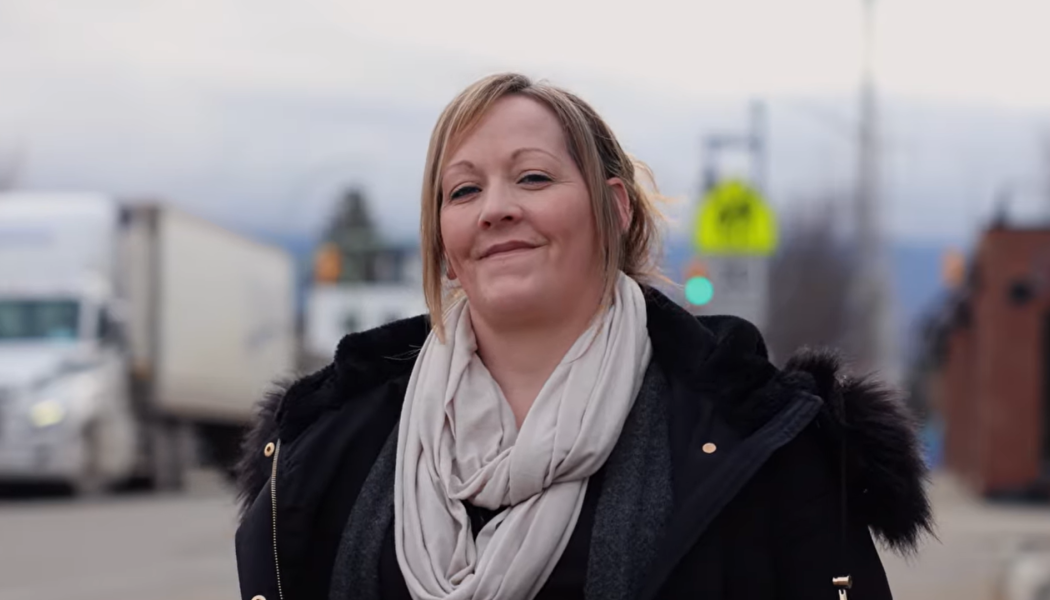
What Worked for Me: Sara’s journey from surviving to living
This story is part two of a four-part series titled “What Worked for Me.” Content warning: This content includes themes related to domestic abuse and substance use harms.
Sara was born in Edmonton, but much of her life was spent moving back and forth to the Okanagan. She has lived in Penticton and Summerland and now calls Kelowna home.
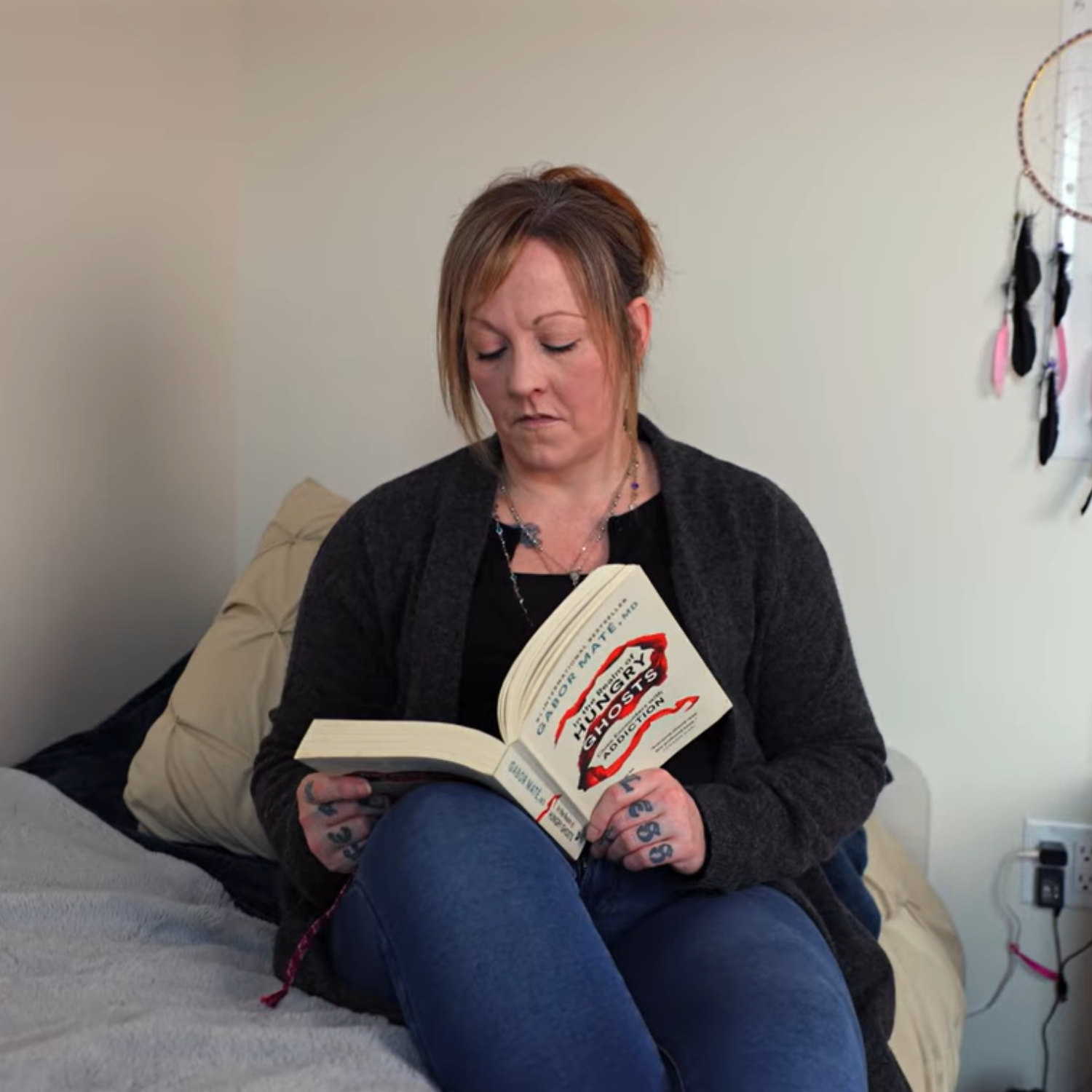
Sara describes her substance use as something that took root early and stayed long-term. She attempted to stop many times over her 20-year journey, and while there were moments of clarity, there were also cycles of relapse, unsafe relationships and housing insecurities.
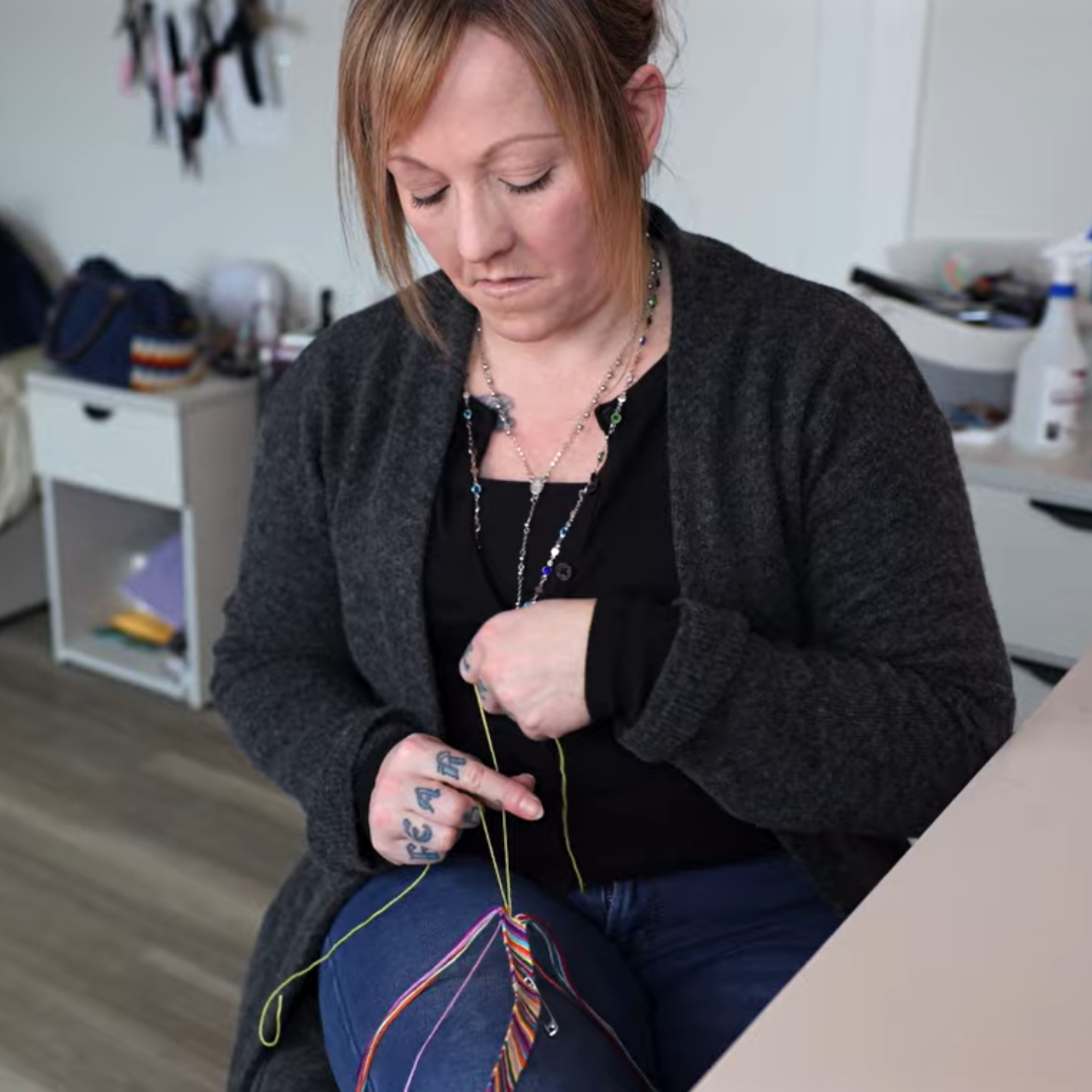
Learn more about Sara's journey
For a time, Sara was in an abusive relationship that locked her into traumatic cycles of struggle and violence. She tried to recover from substance use while living with her ex, but that environment continued to bring her down.
After bravely leaving her relationship, she found herself going in and out of the emergency department trying to stabilize. But every time she left the hospital, she was repeatedly pulled back into old friendship circles, making sobriety an uphill battle.
Her addiction had moved past insecure housing and a lack of safety. She describes feeling empty.
“Ultimately, I was just really, really sick of being sick,” she says. “It’s hard to admit the problem, but that’s the first step.”
What worked for me
In January 2025, she checked herself into the Penticton Regional Hospital emergency department. She had nothing left. No partner. No home. No connection to family support systems.
This time, it was different. After about a month and a half of being in and out of the emergency department, she knew things couldn’t go back to the way they were before. She had to change her surroundings; it was time to shed the past and start a future. She completed a 90-day treatment program and says the most important elements for her were connection and doing the work.
She moved into Alexandra Gardner Women & Children Safe Centre (AG House) located in Kelowna. After five months at AG House, Sarah entered the next phase of her journey by moving into a transitional apartment, which changed the trajectory of her life.
From there, she was connected to substance use services and opioid agonist treatment (OAT).
“At first, you need a counsellor to access OAT treatment,” she says. “I really liked mine. I still see her every Monday.”
Looking back at her year of recovery, Sara says the substance use team at IH was “absolutely amazing.”
“I started going to Kelowna IH Mental Health and Substance Use. The resources grew with me and didn’t grow stagnant,” she shares. “As I advanced, I was able to get different help.”
From there, her IH supports expanded to trauma groups, community resources, and different classes and programs which helped her recovery progress.
What worked for me was the connection I got with all the amazing people I met at IH. The opposite of addiction is connection. And the connections that I have made have changed and saved my life. I’m just so grateful for the life that I have today. I wouldn’t change anything of it for the world.
Today, Sara doesn’t use any substances. She describes it as liberating to wake up and function without relying on drug use. She’s a mom to a vibrant and kind nine-year-old neurodivergent son and is working toward having him back with her full time.
“I get to see my son when I want,” she says. “Now my life is amazing.”
She has stable housing and has intentionally left everything from her old life behind. Her new circle of friends are other people in recovery.
A message for others who are struggling
Sara knows how intimidating it can be to ask for help. But she emphasizes that once you reach out, you are not alone:
“Talk to friends. Call the hotlines. Reach out to the substance use team. Once you’re in there, they’ll help you along the way through a team, not just one person.”
Her advice is rooted in persistence. Recovery did not happen on the first try.
“Don’t give up. Keep trying,” she says. “I was in addiction for 20 years. No matter how many times I failed, I kept trying until I was successful.”
Today, nearly a year after walking into the emergency department feeling empty, Sara describes a life filled with gratitude.
She is rebuilding trust. Rebuilding motherhood. Rebuilding herself.
And most importantly, she is no longer sick of being sick. She is living.
Get crisis support
Crisis Response Teams help you with crisis intervention, including assessment and links to appropriate community and hospital resources when you are experiencing an acute mental health or substance use crisis.
Call 911 for urgent, immediate help.
If you’re experiencing feelings of hopelessness or thoughts of self-harm, you can call one of these numbers. These services are available 24 hours a day, seven days a week, including holidays:
Mental health and substance use services
For help on your mental health and substance use journey, no matter what stage you're at, contact your local MHSU centre by calling 310-MHSU (6478). If you're an adult looking to access addiction care and withdrawal management/detox services, call Access Central at 1-866-777-1103 (toll free).
You can also explore these resources:
- Help Starts Here
- Toward the Heart (BCCDC)
You can also work with your primary health-care provider; this could be your family doctor or nurse practitioner. Or visit your local Health Centre or urgent and primary care centre (UPCC).
Explore our full range of services for adults and youth:
- Indigenous Patient Navigators
- Psychiatrists
- Opioid Agonist Treatment
- Seniors Mental Health & Substance Use team
- Outpatient Withdrawal Management (OWM)
- Treatment, Support and Recovery (TSR)
- Virtual Addiction Medicine (VAM)
- Adult Mental Health Services
- Youth Mental Health Services
- Adult Substance Use Services
- Youth Substance Use Services
Find services available in your community
We are committed to creating care that is culturally safe, free from racism, and grounded in humility, where all people, including Indigenous patients, families and communities feel respected and supported in their healing journeys.
Travel nurses Michaela and Nick moved from Ontario to B.C., finding careers, community and a new home in Coldstream.
/stories/travel-nursing-brings-ontario-couple-new-home-coldstream
By sharing his story, Dave hopes others struggling with addiction understand that recovery is possible and that support is available.
/stories/what-worked-me-daves-healing-journey-addiction
For IH, wildfire preparedness is shaped by years of experience, regular training, exercises, inventories and relationships with partners across the region.
/stories/ih-prepares-wildfire-season-long-smoke-arrives
IH’s CMH redevelopment team travelled around Cariboo to reconnect with Indigenous communities and share how their input is shaping the hospital's new building.
/stories/closing-circle-indigenous-communities-shaping-future-cmh
Chris Turner turned to addiction as a teenager, but through his recovery has become a mentor to give hope to others battling addiction.
/stories/what-worked-me-chriss-focus-daily-skills-helps-recovery
Find tips for walking, biking or rolling to school safely. Learn how to make it safer to travel to school in your community.
/stories/how-walk-bike-or-roll-school-safely
STAY CONNECTED
Receive news, alerts, public service announcements and articles right to your inbox.