









Image


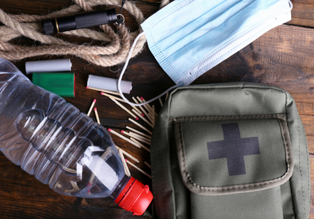






Travel nurses Michaela and Nick moved from Ontario to B.C., finding careers, community and a new home in Coldstream.
/stories/2026-09-18/travel-nursing-brings-ontario-couple-new-home-coldstream


By sharing his story, Dave hopes others struggling with addiction understand that recovery is possible and that support is available.
/stories/2026-09-17/what-worked-me-daves-healing-journey-addiction
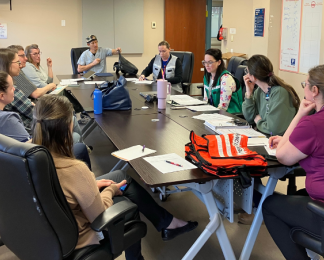
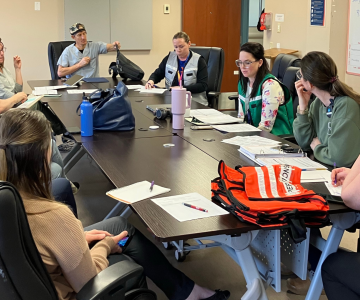
For IH, wildfire preparedness is shaped by years of experience, regular training, exercises, inventories and relationships with partners across the region.
/stories/2026-09-15/ih-prepares-wildfire-season-long-smoke-arrives


IH’s CMH redevelopment team travelled around Cariboo to reconnect with Indigenous communities and share how their input is shaping the hospital's new building.
/stories/2026-09-10/closing-circle-indigenous-communities-shaping-future-cmh


Chris Turner turned to addiction as a teenager, but through his recovery has become a mentor to give hope to others battling addiction.
/stories/2026-09-09/what-worked-me-chriss-focus-daily-skills-helps-recovery


Find tips for walking, biking or rolling to school safely. Learn how to make it safer to travel to school in your community.
/stories/2026-09-04/how-walk-bike-or-roll-school-safely

Vaccines go through a rigorous assessment process before approval for public use and are closely monitored afterward. They are tested for safety by Health Canada and, after approval, are authorized for use in this country.
Any side effects following immunization are reported and assessed, and any concerning event is flagged and investigated. Common side effects include a few days of fever and localized tenderness at the injection site. Serious side effects include allergic reactions, like anaphylaxis, which are rare.
Getting multiple vaccines at the same visit is safe and will not overwhelm your child’s immune system. The vaccines containing multiple antigens, like DTaP-HB-IPV-Hib, protect children against six different types of diseases and go through a comprehensive assessment and approval process before public use.
The recommendations for receiving multiple vaccines at the same time are provided by Canada’s National Advisory Committee on Immunization (NACI) and are based on an evaluation of the vaccines’ effectiveness and safety. Some vaccines work better when administered together and others work better when administered on their own.
Repeating vaccines is generally considered safe. In some cases, to increase effectiveness and minimize localized tenderness and/or fever, spacing is recommended between repeated vaccine doses.
Vaccines contain a small amount of other ingredients in addition to the main antigen, which stimulates our immune system to protect us from future infection. The additional components are either needed during the process of a vaccine’s development or after the vaccine’s production to make it more effective and to preserve its content.
They are regulated by Health Canada and are only included in vaccines in safe amounts. Individuals with an allergy to the vaccine components are recommended to get their vaccine with additional precautions.