Breadcrumb
Overview of Blood Clots
Learn what blood clots are, how and why they form, and the differences between types of clots.
Overview of how blood clots form
Normally, your blood flows smoothly through veins and arteries, carrying oxygen and nutrients to the body. When you have an injury, your body uses blood-clotting factors to form a clot and stop bleeding. This is a healthy and protective process.
However sometimes blood clots can form inside a vein when they are not needed. This is when blood clots become a medical problem. These clots have the potential to:
- Stay in one place and block blood flow in that vein
- Grow larger over time, causing swelling and pain
- Break loose and travel through the bloodstream to other parts of the body
Because of these risks, it’s important to understand what clots are, why they form, and the signs and symptoms to recognize them early to begin preventative treatment.
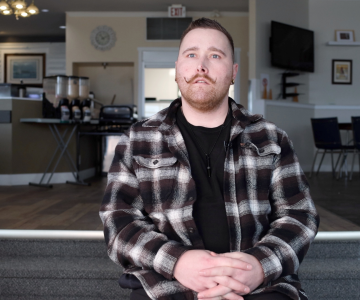
Watch the following video from Thrombosis Canada to learn more about blood clots:
Types of blood clots
- Deep vein thrombosis (DVT): A DVT is a blood clot that forms in a deep vein, usually in the leg or arm. It may cause pain, swelling, warmth, or redness in the affected area.
- Pulmonary embolism (PE): When a clot breaks loose and travels to the lungs and blocks blood flow. A PE can make it hard to breathe, create chest pain, and can be life-threatening.
How blood clots are different from a heart attack or stroke
Blood clots that cause a heart attack or stroke are different from those that cause blood clots called venous thromboembolism (VTE).
- Venous Thromboembolism (VTE): A blood clot forms in the veins (legs, arms, or lungs)
- Heart Attack: A blood clot blocks blood flow in the arteries of the heart
- Stroke: A blood clot blocks blood flow in the arteries of the brain
VTE clots are venous (veins), while heart attack and stroke clots are arterial (arteries), and the causes, risks, and treatments are different.
All clots are serious and need medical attention; it is important to recognize the signs and symptoms and seek help as soon as possible to prevent life-threatening complications and improve recovery outcomes.
Tineke was the first policy specialist hired at IH. For two-plus years, she has helped organize many IH policies.
/stories/we-are-ih-policy-specialist-finds-joy-her-role
Recent regulatory changes are making it easier for U.S.-trained lab professionals to find a job in Canada. Attractive benefits make the move north enticing.
/stories/why-us-medical-lab-professionals-are-looking-work-canada
As a doula, Sage Thomas attended a home birth where the family integrated Indigenous ceremonial practices. She’s now practising midwifery in her home community.
/stories/tkemlups-te-secwepemc-grad-offers-midwifery-care-close-home
Thirty-five years into her career with IH, Elizabeth Adolph still loves what she does: taking care of residents at Mountain View Lodge in Lillooet.
/stories/we-are-ih-care-aide-proud-residents-consider-her-friend
In the 5 years since the In Plain Sight report was released, we’ve made strides towards being a culturally safe organization—but there’s more work to do.
/stories/ihs-fifth-plain-sight-response-supports-reconciliation
Inspired by her aunt’s career as a pharmacist, Angela became a pharmacy technician to use the hands-on aspect of compounding to benefit patient care.
/stories/we-are-ih-pharmacy-tech-enjoys-problem-solving-patients
STAY CONNECTED
Receive news, alerts, public service announcements and articles right to your inbox.