MOCAP & Call Back Payment
Learn about the policies and procedures that support the Medical On-Call Availability Program and call back payments
Medical On-Call Availability Program
Under the Physician Master Agreement, the Medical On-Call Availability Program (MOCAP) compensates physicians for their participation in a call rotation or group in order to provide emergency care for new or unassigned patients.
Key references
Call back payments
Call back payments provide compensation for circumstances where a physician is not on-call but is called in by the Health Authority to provide a service, provided that the call back criteria under the Physician Master Agreement are met.
All physicians who anticipate providing call back or initiating a call back, including surgical assist services, should familiarize themselves with the criteria and process for submitting a claim as detailed in the Physician Master Agreement.
To qualify for call back, there are a number of key criteria that must be met as part of the process, including:
- Treatment is required on an emergency basis.
- At the time of call back, the physician is not already on site, on shift or on call.
- The physician goes into a hospital (or other designated facility) to treat the patient within three (3) hours of being called.
- The patient is a third party or ‘orphaned’ patient (i.e. is not already a patient of the physician or the physician’s call group).
The process for call back reimbursement is as follows:
- Physician completes a Call Back Invoice and Verification Form detailing the call back (page 1) and ensures that they collect a verification form (page 2) detailing the request from the physician or hospital staff member who initiated the call back request.
- The physician forwards both forms together to their designated Interior Health Senior Medical Director for review and approval.
- Claims must be submitted within 30 days of the call.
- Once approved, the Senior Medical Director forwards both forms to IH Physician Compensation for payment.
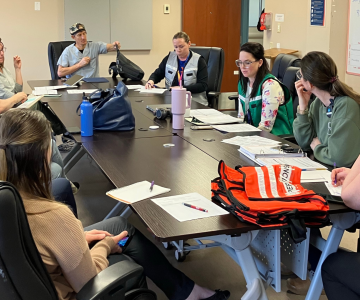
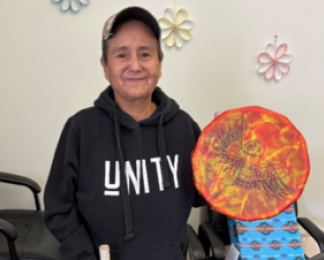
IH’s CMH redevelopment team travelled around Cariboo to reconnect with Indigenous communities and share how their input is shaping the hospital's new building.
/stories/closing-circle-indigenous-communities-shaping-future-cmh
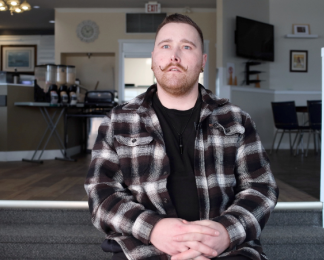
Chris Turner turned to addiction as a teenager, but through his recovery has become a mentor to give hope to others battling addiction.
/stories/what-worked-me-chriss-focus-daily-skills-helps-recovery
Find tips for walking, biking or rolling to school safely. Learn how to make it safer to travel to school in your community.
/stories/how-walk-bike-or-roll-school-safely
For Kelli Hartman, nursing was never just a career choice. It was a calling. What she didn't expect was where that calling would take her.
/stories/we-are-ih-retired-nurse-still-makes-difference-long-term-care
What worked for Saras addition recovery was the connections and relationships she formed at IH that changed her life.
/stories/what-worked-me-saras-journey-surviving-living
With B.C.’s ongoing toxic drug crisis., it’s more important than ever to know how to recognize the signs of an overdose and what to do if someone needs help.
/stories/knowing-signs-opioid-overdose-could-save-life
STAY CONNECTED
Receive news, alerts, public service announcements and articles right to your inbox.