The holiday spirit: Tips for drinking in moderation this season
With the holiday season here, many of us will be gathering to celebrate with family and friends. Celebrations often include food and sometimes alcohol.
While enjoying wine, beer and spirits can be a pleasurable part of holiday celebrations, drinking too much can have harmful consequences, both short and long-term.

Drink less, live more
Here are some easy ways you can reduce how much alcohol you drink during the holidays.
The rule of twos
- Limit drinks to two per occasion to be safe and to minimize harms such as driving over the limit. Leave your keys at home and plan your rides to be safe.
- If you choose to drink, drink water or a non-alcoholic beverage every second drink. Make sure you’re eating before and while you drink.
- Keep drinking to two drinks or less per week to minimize your risk of heart disease, stroke and cancer.
- Alcohol + drugs don’t mix, including prescription medication. Mixing substances increases the risk of negative health impacts. Remember the effects of alcohol can last for many hours after you stop drinking.
Related: Checklist for safer celebrating this season
Less is best
Drinking alcohol, even a small amount, is damaging regardless of your age, sex, gender, ethnicity, tolerance for alcohol or lifestyle. That’s why if you drink, it’s better to drink less. Any reduction in alcohol use has benefits—in other words, every drink counts.
Before having another drink, pause and reflect why you would like one more drink. One less drink can protect against negative short and long-term consequences.
When you do consume alcohol, do so mindfully. Take the time to enjoy and savour your drink.
Sober curious? Consider going drier or damp
A new year can offer a fresh start and extra motivation, which is why many people make a New Year’s resolution not to drink.
But if a dry January seems like a big goal, consider a drier or damp January instead.
Try these tips:
- Schedule a few alcohol-free days each week.
- Track your progress on paper or in an app.
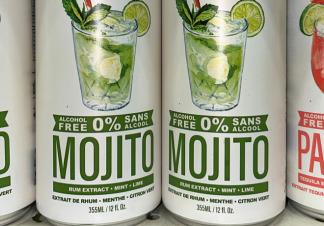
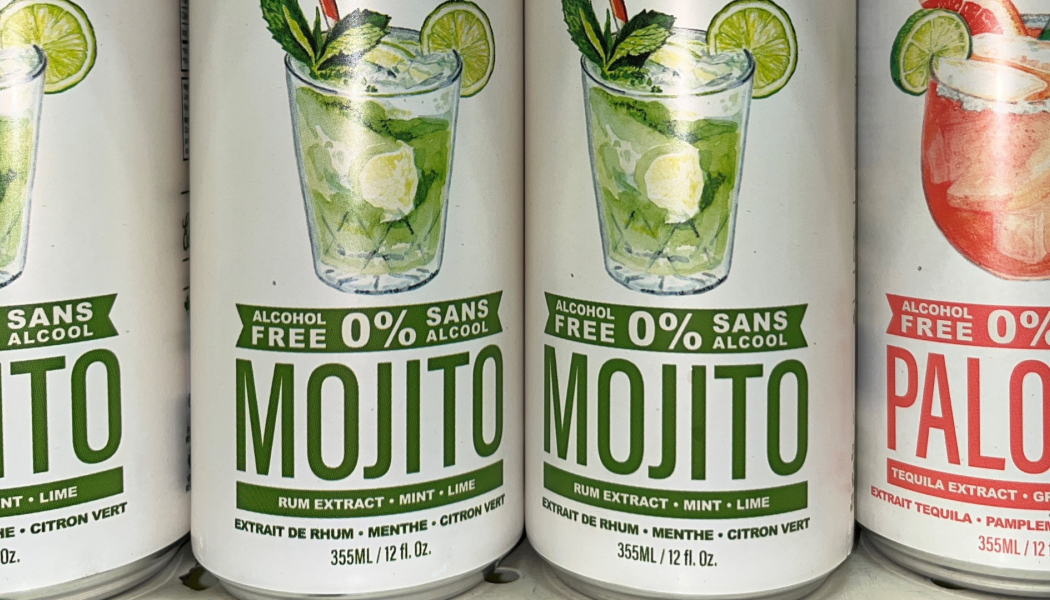
- Switch to zero per cent alcohol beverages. The selection of non-alcoholic beer, wine and spirts is growing rapidly.
Here are five tips for preparing for a dry month from Alcohol Change UK if you do want to go dry.
For some, stopping drinking suddenly can result in serious or even life-threatening withdrawal symptoms. Please consult your doctor or health-care provider for help.
Benefits of limiting your alcohol intake
Whether you’re cutting alcohol out of your life completely or cutting down, you may notice some changes in the way you feel. Whatever your reason, the good news is there are great short and long-term benefits to scaling back your drinking, including:
- More energy throughout the day
- Improved sleep quality
- Improved concentration
- Lower blood sugar
- Lower blood pressure
- Lower risk of stroke, hypertension, cancer and liver disease
How to get help
If you’re reconsidering your relationship with alcohol, know you’re not alone, and help is available. Talk to a health-care professional or call 310-MHSU (6478). There may be free or low-cost treatment options in your community or online.
Get help with drinking offers guidance and information on where to start.
There are also safe and effective medications available to treat alcohol use disorder. Learn more about our online self-referral service, Virtual Addiction Medicine.
If you need withdrawal management (detox) support, you can get a same-day clinical screening and assessment by a nurse or trained clinician. Call Access Central toll-free at 1-866-777-1103 from 9 a.m. to 4:30 p.m. PT, seven days a week, 365 days a year.
If you’re experiencing feelings of hopelessness or thoughts of self-harm, you can call one of these numbers. These services are available 24 hours a day, seven days a week, including holidays:
- Interior Crisis Line Network - 1-888-353-2273
- Suicide Crisis Helpline - 988
- KUU-US (Indigenous) Crisis Line - 1-800-588-8717
- Métis Crisis Line - 1-833-638-4722
Check out more stories like this
Tineke was the first policy specialist hired at IH. For two-plus years, she has helped organize many IH policies.
/stories/we-are-ih-policy-specialist-finds-joy-her-role
Recent regulatory changes are making it easier for U.S.-trained lab professionals to find a job in Canada. Attractive benefits make the move north enticing.
/stories/why-us-medical-lab-professionals-are-looking-work-canada
As a doula, Sage Thomas attended a home birth where the family integrated Indigenous ceremonial practices. She’s now practising midwifery in her home community.
/stories/tkemlups-te-secwepemc-grad-offers-midwifery-care-close-home
Thirty-five years into her career with IH, Elizabeth Adolph still loves what she does: taking care of residents at Mountain View Lodge in Lillooet.
/stories/we-are-ih-care-aide-proud-residents-consider-her-friend
In the 5 years since the In Plain Sight report was released, we’ve made strides towards being a culturally safe organization—but there’s more work to do.
/stories/ihs-fifth-plain-sight-response-supports-reconciliation
Inspired by her aunt’s career as a pharmacist, Angela became a pharmacy technician to use the hands-on aspect of compounding to benefit patient care.
/stories/we-are-ih-pharmacy-tech-enjoys-problem-solving-patients
STAY CONNECTED
Receive news, alerts, public service announcements and articles right to your inbox.