IH’s fifth In Plain Sight Response supports reconciliation
In the five years since the In Plain Sight (IPS) report was released, Interior Health (IH) has made strides toward being a culturally safe organization and improving the care it provides to Indigenous Peoples.
“I want to recognize both the progress achieved and emphasize the significant work that remains eliminating racism and increasing access and health outcomes working alongside Indigenous partners,” notes IH president & CEO Sylvia Weir.
Weir says, according to IH’s Indigenous partners, accounts of anti-Indigenous racism are increasing, and the organization is even more vigilant and steadfast about curbing all incidents of racism than ever.
“I want to be clear that any and all reports of racism at IH sites will be treated with the utmost seriousness,” she says. “I encourage reporting when this behaviour is encountered so that we can take action and apply our investigative and disciplinary powers to the fullest extent.”
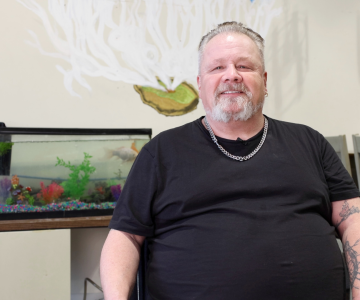
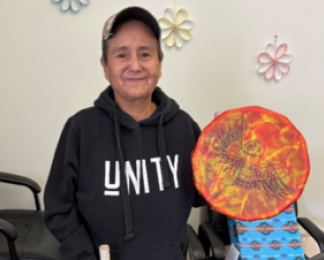
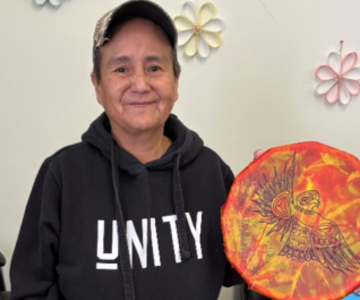
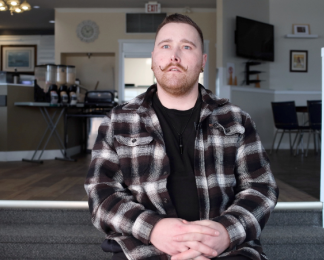
This year’s IH response report includes interviews with Indigenous partners and Indigenous Patient Navigators to gain their valuable insights into how to best deliver services.
Addressing Indigenous racism and discrimination in B.C. health care
In 2020, the province released the IPS Report, citing that Indigenous people in B.C. have been exposed to widespread racism in the health-care system.
Indigenous-specific racism led to negative experiences at the point of care, inequitable medical treatment, physical harm, and denial of care in some instances.
The report emphasized the imperative for cultural safety, accountability and comprehensive system reforms, including anti-racism training for health-care providers, better data collection, and the involvement of Indigenous communities in policymaking.
IH acknowledges that Indigenous-specific racism continues in the health-care system and reaffirms that eliminating it remains an organizational priority.
“Each one of us plays a role in creating an environment that is free of Indigenous-specific racism, discrimination and bias,” says Weir. “One that is culturally safe and inclusive for Indigenous patients, families and colleagues. Again, I would encourage you to speak up and report racism through our processes for reporting wrongdoing.”
How IH has progressed its commitment to anti-racism
When the IPS Report was released, IH and its Board of Directors publicly acknowledged harm and issued apologies, signalling that racism and discrimination have no place in our system.
As a result, IH now has formal policies, reporting mechanisms, and a zero-tolerance stance on anti-Indigenous racism.
The Indigenous Health and Wellness Strategy (2022–2026) anchors the work, aligning with broader provincial and national commitments such as the B.C. Declaration on the Rights of Indigenous Peoples Act and Action Plan.

Efforts to support Indigenous employees include new recruitment practices, representation of Indigenous peoples on hiring panels, and cultural-spiritual-ceremonial leave in collective agreements.
Highlights of initiatives taken by IH in 2025:
- IH hired its 20th Indigenous Patient Navigator (IPN). IPNs, who this year were brought into one team to elevate their voice in health care, work closely with clinical teams to provide culturally safe navigation and support Indigenous patients and families.
- In collaboration with local First Nations and leaders, IH has incorporated Indigenous-led artwork, ceremony and design elements into the design of health-care spaces from the earliest stages, including F.W. Green Memorial Home, Kamloops Cancer Centre, Cariboo Memorial Hospital Redevelopment and the renovated Elkford Health Centre.
- For the second straight year, IH produced and shared a video dedicated to the importance of the National Day for Truth and Reconciliation and Orange Shirt Day.
- The fourth Annual Indigenous Food Forum was held in Ktunaxa territory in the community of ?aqam.
- Four episodes of the Interior Voices podcast were produced this year, bringing the total number of episodes to 70. Through storytelling and insightful interviews, the Interior Voices podcast aims to illuminate the complexities of health and wellness and celebrate cultural resilience while addressing the challenges Indigenous people face navigating health-care systems.
These are just a handful of initiatives that demonstrate IH’s commitment to reconciliation and anti-racism in the region.
[Community-level] relationships are the most progressive because they focus on service delivery. IH has displayed the ability to be partners.
Challenges and opportunities
IH’s 2025 response to the IPS Report notes some ongoing challenges, including:
- An “evolving, but still fragile” relationship between IH and Indigenous partners
- Need for additional resources for roles like IPNs, who are part of team-based care and often the sole facility-based IPN available to support all Indigenous patients
- Opportunities for increased consistency in follow-up and transparency when racism complaints are raised
- Inequalities present challenges for Indigenous people in rural and remote areas which make access to culturally safe care harder
While there remains urgent work to eliminate Indigenous-specific racism across the health system, patient experience survey results from 2025 show that among respondents who chose to complete the survey and self-identified as Indigenous, most reported generally positive experiences in emergency departments and hospitals settings. This feedback highlights areas of strength alongside the clear need for continued system level change.
How IH is implementing culturally safe care

The response includes further recommendations for IH and its leadership to improve Indigenous people’s experiences in the health-care system. They include:
- Leadership modelling anti-racist behavior. Statements alone are insufficient
- Consultation or information-sharing with Indigenous Peoples is insufficient to guide program and service design. Indigenous-led decision-making and Indigenous voices should provide this foundation at both the regional and community levels
- Better resourcing of Indigenous-specific roles. Expand the number of IPNs and other support positions so that they are adequately supported
- Mandatory ongoing cultural safety and anti-racism training. Training must be further integrated into regular, ongoing staff development and embedded in practice
- Improved transparency and follow-up for racism complaints. Patients and communities need clarity on processes, consistent reporting, and visible outcomes when issues are raised
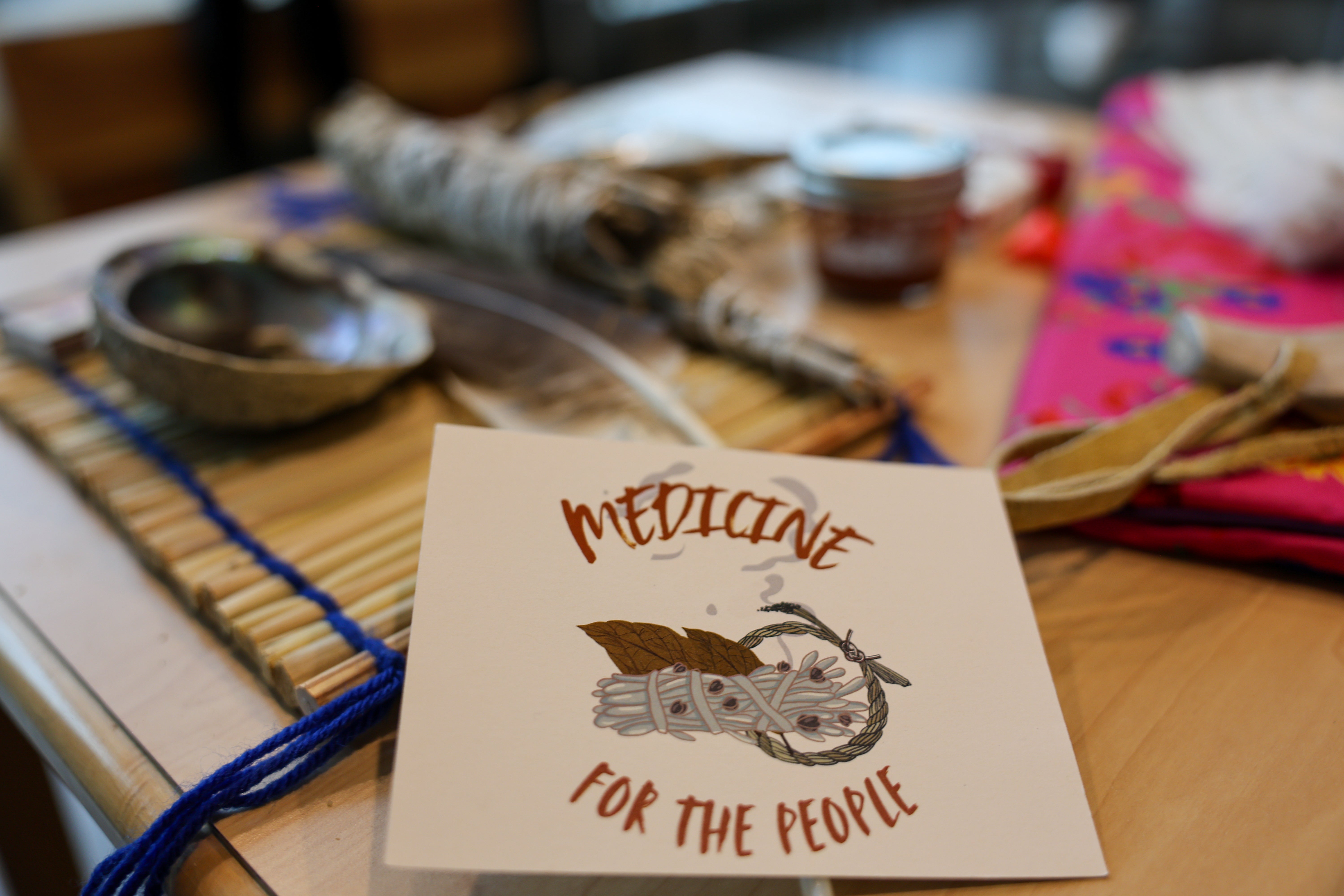
- Culturally safe care environments. Ensure access to Indigenous-specific supports, including ceremonies and traditional foods and medicines
“Anti-racism is not about saying—I don’t see colour. It involves being mindful of words, giving people space to share their stories, and using strengths-based approaches,” said another 2025 IPS interview participant. “Encouraging people to be stewards of their own care, understanding reliance on families, and calling them in is culturally safe and anti-racist.”
The reason why we do cultural safety work. It’s not an if [Indigenous racism and discrimination will] happen, it’s a when it’ll happen. Build relationships so that when issues arise, there is a foundation to address them.
Check out more stories like this
Thirty-five years into her career with IH, Elizabeth Adolph still loves what she does: taking care of residents at Mountain View Lodge in Lillooet.
/stories/we-are-ih-care-aide-proud-residents-consider-her-friend
In the 5 years since the In Plain Sight report was released, we’ve made strides towards being a culturally safe organization—but there’s more work to do.
/stories/ihs-fifth-plain-sight-response-supports-reconciliation
Inspired by her aunt’s career as a pharmacist, Angela became a pharmacy technician to use the hands-on aspect of compounding to benefit patient care.
/stories/we-are-ih-pharmacy-tech-enjoys-problem-solving-patients
Souper Meals brings students together once a week over locally made soup, fresh fruit, veggies and buns, all free of charge.
/stories/more-soup-benefits-universal-school-lunch-program
With decades of experience rooted in compassion and commitment to children’s health, Dr. Jeff Wong is carving a path for pediatric care at Kelowna Hospital.
/stories/dr-jeff-wong-leads-kelowna-pediatric-department-forward
The holidays season offers opportunities to drink alcohol, and it can be easy to overindulge. Get tips on how you can drink less - and live more.
/stories/holiday-spirit-tips-drinking-moderation-season
STAY CONNECTED
Receive news, alerts, public service announcements and articles right to your inbox.