

Heart disease is the number one killer of women worldwide and the leading cause of premature death in Canada. One in three women will be affected by heart disease.
Dr. Emmanuelle Massie is a cardiologist at Interior Health (IH) in Kelowna. “Cardiovascular (heart) disease is a leading cause of mortality in women,” she says. “However, most clinical trials have enrolled a much greater proportion of men compared to women, and hence there is very little data on women in this field.”
Women’s unique risks
Risk factors for developing cardiovascular disease also differ in women which also put them at greater risk.
“We now know there are all sorts of other risk factors that clinical trials haven’t take into account,” says Dr. Massie.
Symptoms of heart disease for women
“Early menopause and pregnancy-related issues, such as preeclampsia and gestational diabetes, must be considered in addition to more traditional risk factors, such as hypertension, diabetes, high cholesterol, smoking, obesity and a sedentary lifestyle.”
Other risk factors include:
- Have a history of untreated high blood pressure
- Have diabetes that isn’t well managed
- Lead a sedentary lifestyle
- Have had a previous heart attack or heart disease
- Smoke
- Are overweight
- Have a family history of cardiomyopathy
Heart attack symptoms can appear different in women
During a heart attack, we might think of someone as clutching their chest or their left arm and gasping for air. Says Dr. Massie, “Women often present with atypical symptoms compared to men. Those symptoms can falsely be attributed to other potential health issues like acid reflux and this can unfortunately delay proper care.
“Unfortunately, women are less likely to be offered aggressive preventive and therapeutic treatments compared to men, despite similar benefits. If you’re in doubt, even if you don’t think it’s a heart attack, call 911 or have someone drive you to the hospital immediately,” she emphasizes.
In addition to chest pains during a heart attack, a woman may feel:
- An ache across the upper back and stomach
- Shortness of breath
- Fatigue and weakness
- Pain in the jaw, neck, right arm or back
- Extreme sweating
- Nausea
Thankful for her care
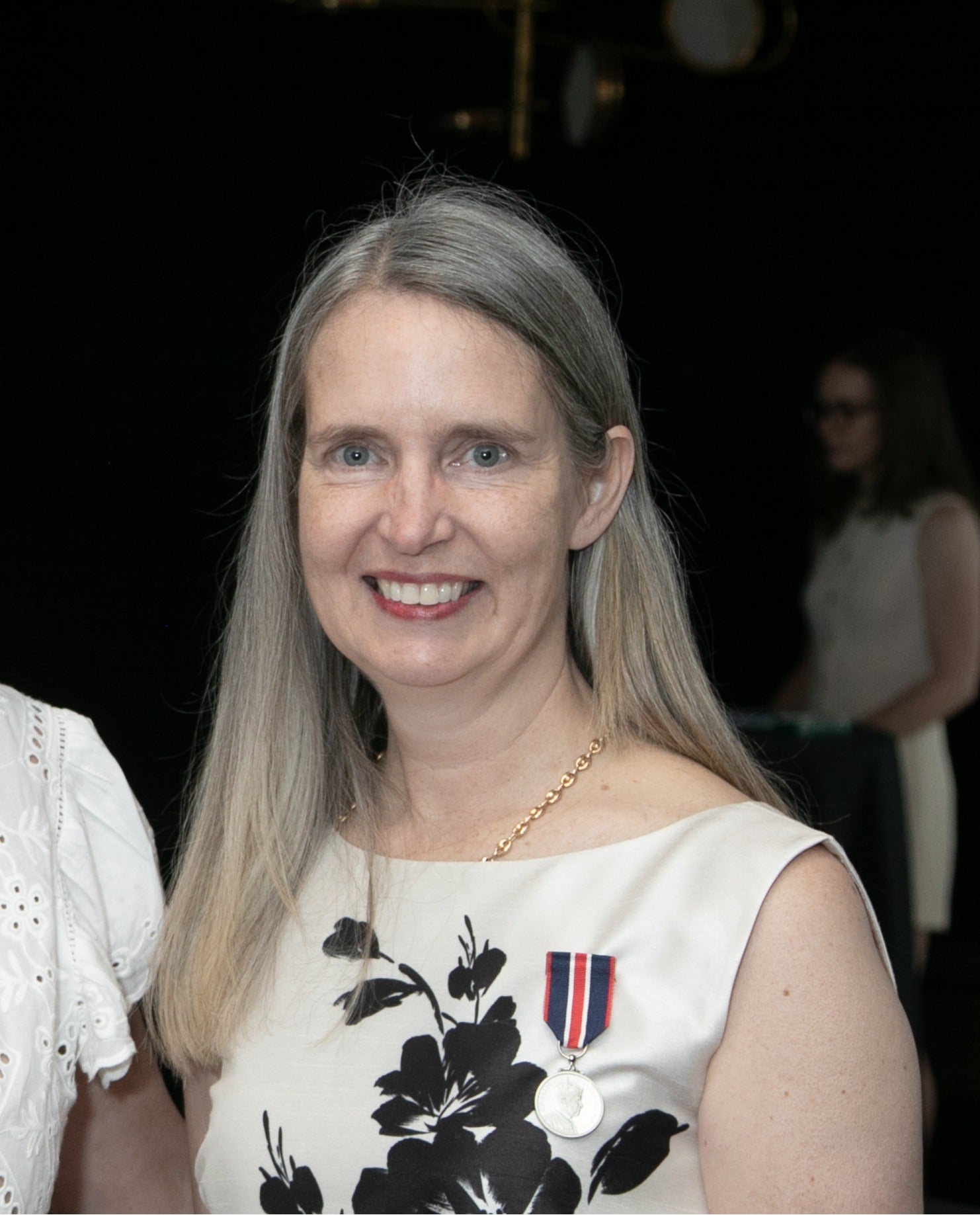
Two years ago we brought you Jennifer Monaghan’s story. Jennifer was an active, stay-at-home mom when she was diagnosed with a heart condition.
Her recent health journey, in her words, has been a wild ride.
Genetic testing on her and her mother confirmed that her cardiomyopathy was due to a gene mutation that attacks the heart, skin, brain and other organs. Fewer than 35 cases have ever been reported and she’s the oldest living patient.
Jennifer’s heart function continued to decline. Her fatigue increased. Shortness of breath became part of daily life. Even carrying groceries across a parking lot became difficult. In April 2025, fluid retention led to a 10-day hospitalization at Kelowna General Hospital (KGH).
During that time, Jennifer continued to serve as co-lead of a national Brain-Heart Failure Priority Setting Partnership, work she describes as deeply meaningful, especially while living with heart failure.
On September 10, 2025, a routine heart test at St. Paul’s Hospital in Vancouver turned into an immediate admission and urgent evaluation for a heart transplant.
A donor was found, and on October 2, Jennifer received a new heart.
Recovery has been steady but not without challenges. Adjusting to transplant medications takes time and patience. Her “profound gratitude”—for the skill and dedication of her transplant team, for the generosity of her donor and their family—and her drive to return to volunteering, keep Jennifer going.

I am deeply thankful for the care, encouragement and support I have received from colleagues here at KGH. Being both a patient and a patient partner in research and advocacy continues to shape my commitment to improving care for others.
Heart disease remains the leading cause of death for women in Canada, yet it is still under-recognized, under-diagnosed and under-researched. My own journey is a powerful reminder of why awareness, research and early action matter.
To the cardiovascular staff at KGH, thank you for the work you do every day. I am here because of teams like you. I look forward to continuing our shared commitment to advancing heart health for everyone.
Heart health resources
Explore these resources for more information and education.
Check out more stories like this


Travel nurses Michaela and Nick moved from Ontario to B.C., finding careers, community and a new home in Coldstream.
/stories/2026-09-18/travel-nursing-brings-ontario-couple-new-home-coldstream


By sharing his story, Dave hopes others struggling with addiction understand that recovery is possible and that support is available.
/stories/2026-09-17/what-worked-me-daves-healing-journey-addiction
For IH, wildfire preparedness is shaped by years of experience, regular training, exercises, inventories and relationships with partners across the region.
/stories/2026-09-15/ih-prepares-wildfire-season-long-smoke-arrives


IH’s CMH redevelopment team travelled around Cariboo to reconnect with Indigenous communities and share how their input is shaping the hospital's new building.
/stories/2026-09-10/closing-circle-indigenous-communities-shaping-future-cmh


Chris Turner turned to addiction as a teenager, but through his recovery has become a mentor to give hope to others battling addiction.
/stories/2026-09-09/what-worked-me-chriss-focus-daily-skills-helps-recovery


Find tips for walking, biking or rolling to school safely. Learn how to make it safer to travel to school in your community.
/stories/2026-09-04/how-walk-bike-or-roll-school-safely
STAY CONNECTED