
Wildfires and natural disasters have many impacts on mental health and well-being. Here are some tips that can help with the stress that wildfire season can bring.

Stay informed
If you’re concerned about a nearby wildfire and evacuation, please visit the Government of BC’s Wildfire Service website. You will find the most current information and status of the wildfires on this site.
To stay up to date on evacuation alerts and orders:
- Download the BC Wildfire Service app on your Apple or Android device
- Visit the wildfire map or EmergencyInfoBC
- Sign up for a service like Voyent Alert or Alertable
- Check your local government website or social media pages
- Create a profile with Emergency Support Services if an evacuation order is issued in your area
Ease your mind with a plan
Having a clear emergency plan and kit ready for your family, pets and livestock can ease your mind and allow you to focus on other needs. Find out what you can do that could save your home from a wildfire.
- Prepare for wildfire (Province of BC)
- FireSmart BC
- How to prepare for the wildfire smoke season
- Wildfire Preparedness Guide (PreparedBC)
Take care
Stress takes a toll on our physical and mental health. Here are a few things that can help:
- Look after the basics. Eating well, exercising indoors (and outdoors when conditions are favourable), staying hydrated especially if it's hot, and getting enough sleep all lower stress and can help you cope.
- Stay connected to others. Connect with family, friends, neighbours and coworkers. Staying in touch with people is part of taking care of yourself. A sense of connection and community is one of the things that can help people get through a hard wildfire season.
- Check in with kids and teens. Wildfire stress doesn't always look the same in children and teens as it does in adults: they may need extra reassurance during and after a wildfire. Feeling supported by family and friends can help buffer that anxiety, so check in often.
- If you're pregnant, it's normal to worry about how wildfire smoke or an evacuation might affect you and your baby. Along with following air quality guidance, talking to your care provider about your specific situation and leaning on your support network can help.
- Watch for the effects of prolonged smoke. Living with wildfire smoke for many days in a row, or through repeated fire seasons, can take a different kind of toll than a single smoky day. The stress can build up over time. If you notice that happening, that's a sign to reach out for support.
- Have backup plans. Air quality can turn poor quickly. A single day of very poor air quality can throw off your plans, such as a family gathering, a vacation, an outdoor event, a soccer game, or a hike. An event may need to be postponed or moved indoors. Having a backup plan can make those disappointments easier to handle.
- Look for windows of opportunity. If you can, head outdoors when air quality improves to take advantage of sunshine and better air.
Ask for help
Talking helps, whether it’s with family, friends or a care provider.
Crisis lines are available to listen and help anytime, not just during a crisis.
If you have been evacuated, you can also reach out to Emergency Support Services volunteers about the mental health or counselling supports available to you.
Help others
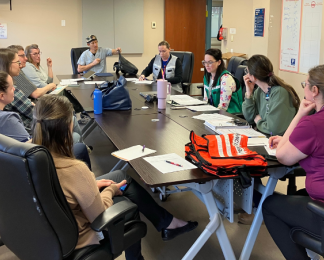
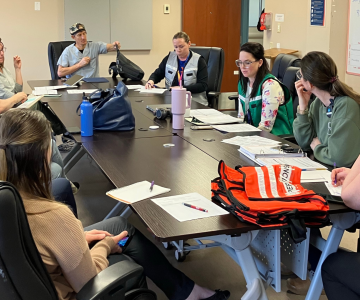
Many people, especially those with chronic physical or mental health problems, or those experiencing homelessness, need extra help during wildfire season. Helping others helps us all regain our sense of community as we confront challenges together.
The Emergency Support Services Program welcomes and relies on volunteers to coordinate support services for people forced from their homes in an emergency. The Disaster Psychosocial Support team also invites volunteers to join their network and help those impacted by disasters and emergencies.
Resources for dealing with stress and trauma
Learn how to stay safe and healthy during wildfire season. Know the signs of stress and how to manage it, and where to access help.
Check out more stories like this
Wildfires and natural disasters have many impacts on mental health and well-being. Here are some tips that can help with the stress from wildfire season.
/stories/how-take-care-your-mental-wellness-during-wildfire-season
Choosing to practice medicine in a small community in Canada wasn’t part of Babatunde’s original plan, but he’s glad he took the leap.
/stories/we-are-ih-cranbrook-doctor-finds-meaning-rural-bc-health-care
The IH Indigenous health & wellness podcast explores the intersection of health & culture in the workplace, everyday lives and patient care.
/stories/celebrating-interior-voices-podcast-75th-episode-launches
New laboratory programs at Okanagan College and Selkirk College are helping build the future of laboratory medicine across the Interior.
/stories/greater-access-lab-medicine-training-coming-interior
Learn how Interior Health's partnership with UBC Okanagan is creating pathways to health-care careers through student placements and recruitment.
/stories/creating-pathways-health-care-careers-together-ih-ubco
Learn what you can do to ensure you and your family remain safe and healthy this summer.
/stories/summer-safety-tips-protect-yourself-summer-heat
STAY CONNECTED
Receive news, alerts, public service announcements and articles right to your inbox.