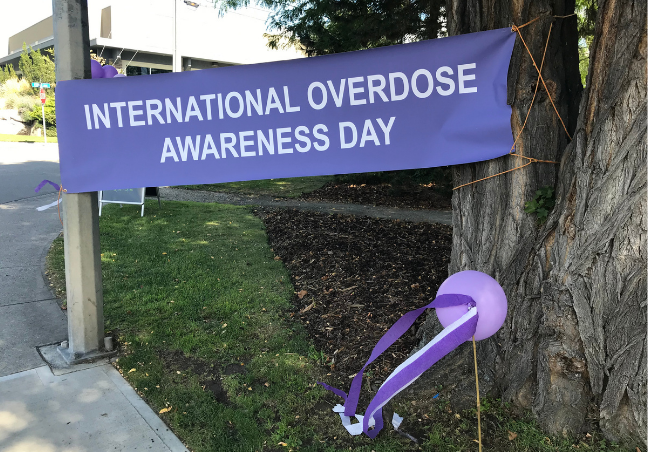
An opioid overdose can happen to anyone who uses drugs from the unregulated supply: a friend, family member, neighbour or stranger. With the ongoing toxic drug crisis in B.C., it’s more important than ever to know how to recognize the signs of an overdose and what to do if someone needs help.
Knowing the signs, carrying naloxone and responding quickly can make all the difference.
“You don’t have to be a health-care professional to help,” says Chloe Sage, Harm Reduction Coordinator with Interior Health. “Checking on someone, recognizing the signs and taking action could save a life.”
“It’s understandable that people feel nervous about approaching someone who appears to be unconscious. But checking on someone could save their life."
Recognizing signs of an opioid overdose
An opioid overdose happens when opioids slow or stop a person’s breathing. Without enough oxygen, the brain and other vital organs can’t function properly.
An overdose isn’t always immediate. It can happen over several minutes, giving people nearby an opportunity to recognize the signs and respond.
A person experiencing an opioid overdose may:
- Be difficult or impossible to wake up
- Be breathing very slowly, irregularly or not breathing at all
- Make choking, gurgling or snoring sounds
- Have discoloured lips and fingernails
- Have cold or clammy skin
- Have tiny, pinpoint pupils
- Be limp and unresponsive
“If you notice that lips are blue or purple, and their fingernails are discoloured or darkened, that person isn’t getting enough oxygen,” says Chloe. “That's a sign they need oxygen right away.”
If you’re unsure whether it's an overdose, treat it as one. It’s always better to respond quickly than to wait.
Checking if someone is experiencing an opioid overdose
Seeing someone slumped over or lying on the ground doesn’t always mean they’re experiencing an overdose; they may simply be sleeping. If you aren’t sure whether someone is sleeping or experiencing an overdose, taking a moment to observe can make all the difference.
Before calling 911, it’s important to check to see if they are in distress. Check to see if the person is breathing normally. Can you see their chest rising and falling with at least one breath per five seconds?
“What I do is look to see if their chest is moving up and down and listen for any sounds of struggling to breathe like snoring or chortling,” Chloe notes.
If something doesn’t seem right, trust your instincts.
“I always think it's better to check on someone than to walk by and not know,” she says.
What to do if someone is overdosing
If you think someone is experiencing an opioid overdose:
- Try to wake them: Call out and gently shake or pinch their shoulder. Avoid throwing water on them or hitting them
- Call 911 immediately: Tell the dispatcher the person isn't responding or isn't breathing and follow their instructions
- Support their breathing if you’re able: Provide rescue breaths if they are not breathing and you are trained on how to give breaths
- Give naloxone: If you have a naloxone kit, administer it according to the instructions. Naloxone temporarily reverses the effects of an opioid overdose and is safe to use, even if you’re not certain opioids are involved.
- Stay with them: Place the person in the recovery position once they’re breathing on their own and continue to monitor them until emergency responders arrive
Carrying naloxone saves lives
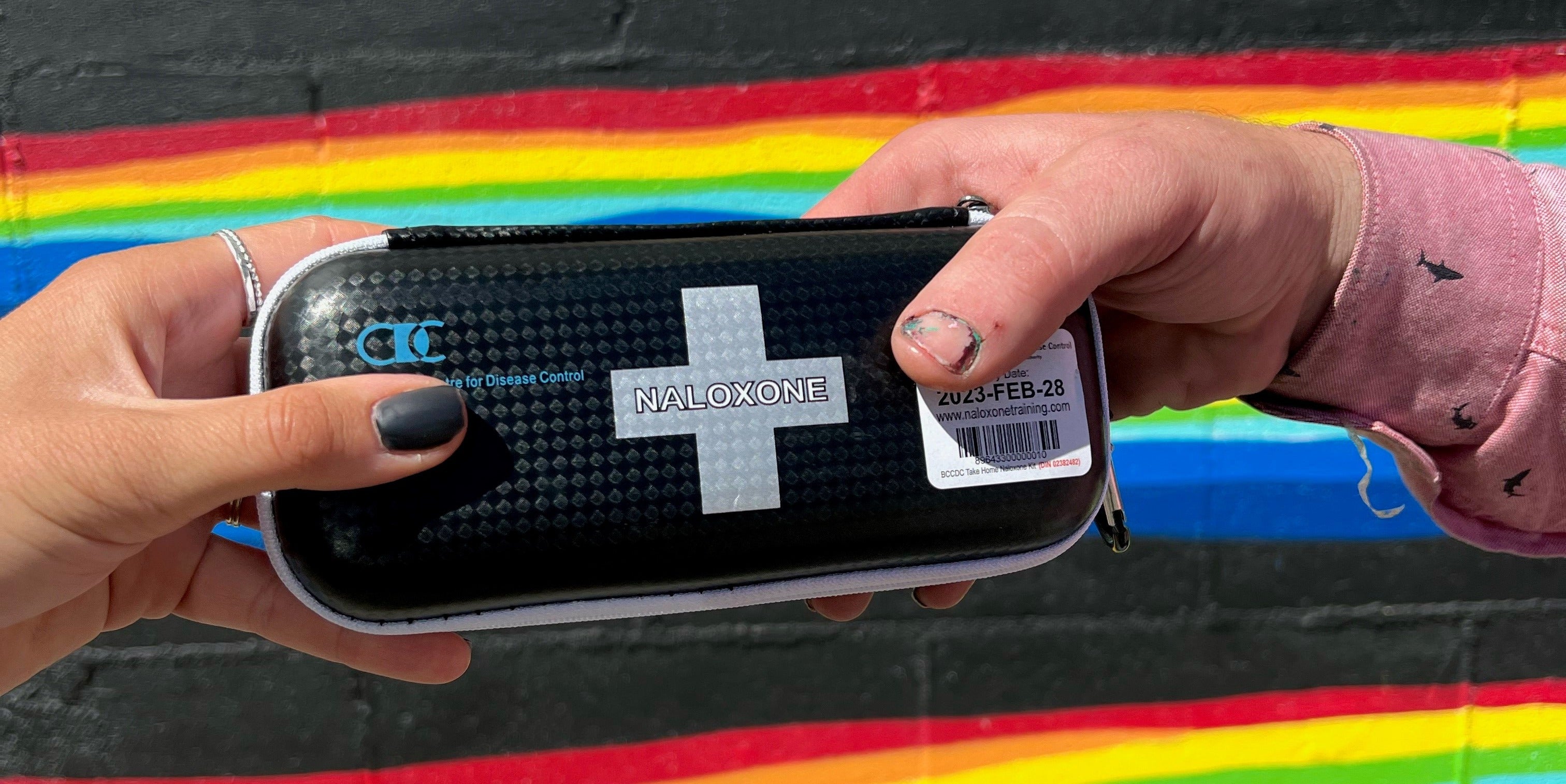
Free take-home naloxone kits are available throughout B.C., including at many pharmacies, community organizations and health-care sites.
You don’t need to use opioids yourself to carry a kit. Friends, family members, coworkers and community members can all play an important role in responding during an emergency.
Check out more stories like this
Travel nurses Michaela and Nick moved from Ontario to B.C., finding careers, community and a new home in Coldstream.
/stories/travel-nursing-brings-ontario-couple-new-home-coldstream
By sharing his story, Dave hopes others struggling with addiction understand that recovery is possible and that support is available.
/stories/what-worked-me-daves-healing-journey-addiction
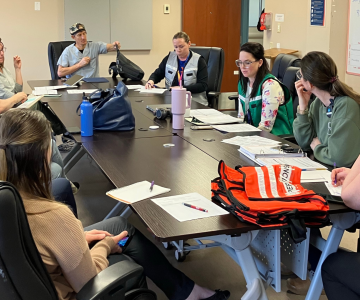
For IH, wildfire preparedness is shaped by years of experience, regular training, exercises, inventories and relationships with partners across the region.
/stories/ih-prepares-wildfire-season-long-smoke-arrives
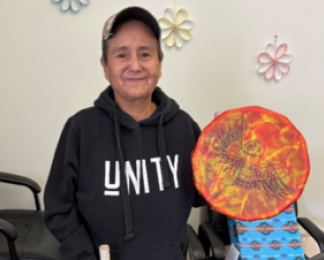
IH’s CMH redevelopment team travelled around Cariboo to reconnect with Indigenous communities and share how their input is shaping the hospital's new building.
/stories/closing-circle-indigenous-communities-shaping-future-cmh
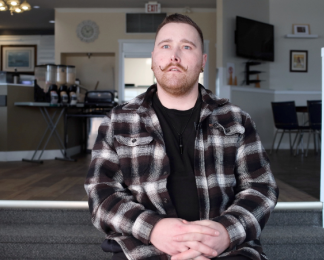
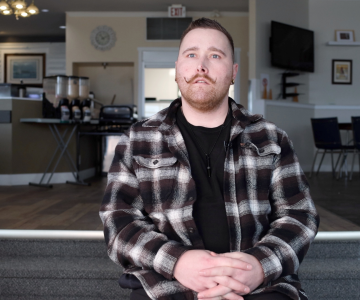
Chris Turner turned to addiction as a teenager, but through his recovery has become a mentor to give hope to others battling addiction.
/stories/what-worked-me-chriss-focus-daily-skills-helps-recovery
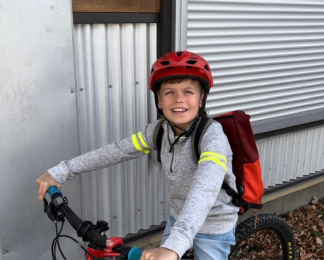
Find tips for walking, biking or rolling to school safely. Learn how to make it safer to travel to school in your community.
/stories/how-walk-bike-or-roll-school-safely
STAY CONNECTED