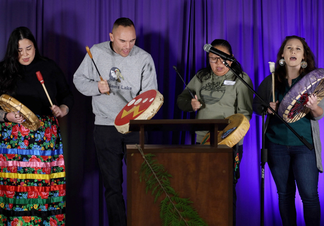
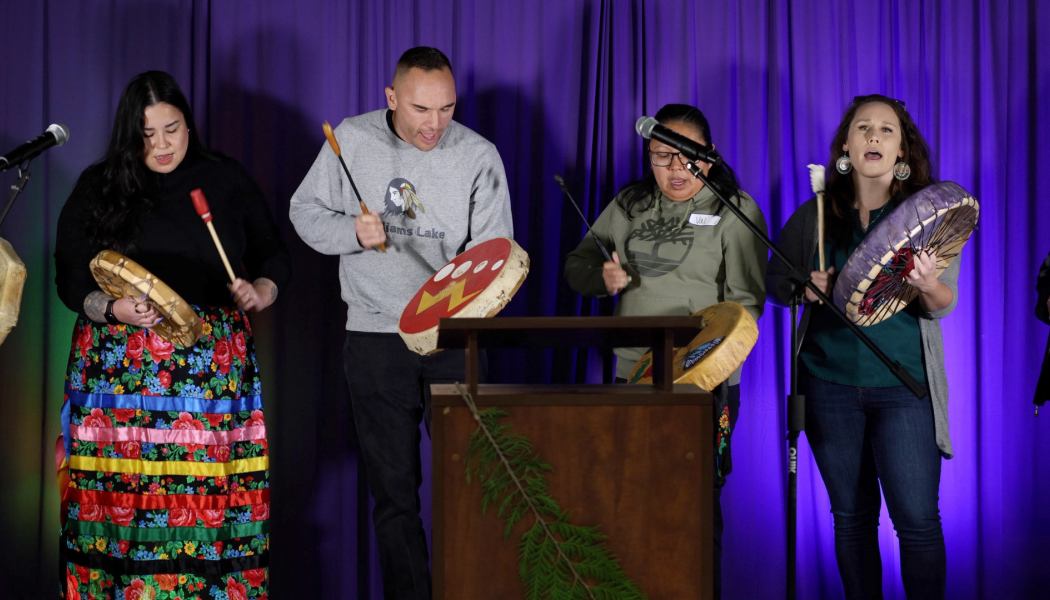
On International Overdose Awareness Day, recognized annually on Aug. 31, communities across the Interior come together to honour lives lost, support those impacted by the toxic drug crisis, and recognize the strength of culture, connection and community-led healing.
The toxic drug crisis continues to bring profound loss and grief to families and communities across B.C.
For Indigenous Peoples, the impacts have been disproportionately devastating. Historical and ongoing impacts of colonization – including intergenerational trauma, systemic racism and barriers to culturally safe care – continue to contribute to inequities in substance use-related harms and deaths.
Behind these impacts are individuals and their loved ones, friends and community members, who care for one another, create connection and lead paths toward healing.
Creating space for reflection is a daily commitment
International Overdose Awareness Day, recognized each year on Aug. 31, creates space to remember those who have died, acknowledge those who carry the grief of losing someone, and stand alongside people who use substances as well as those on their journeys of healing and recovery.
Across the Interior region, that work happens every day.

We honour those we have lost, stand with those who are grieving, and recognize the Nations, Elders, Knowledge Keepers, wellness workers, families and community members who continue to walk alongside their loved ones with compassion, strength and hope.
For many Indigenous communities, culture and connection are an important part of healing. Nations are leading approaches grounded in their own knowledge, teachings and priorities, while creating spaces where people can feel supported and connected to community.
Interior Health (IH) has the privilege of walking alongside Nations, Indigenous organizations, community partners, the First Nations Health Authority, and Métis Nation BC to strengthen connections and pathways to care.
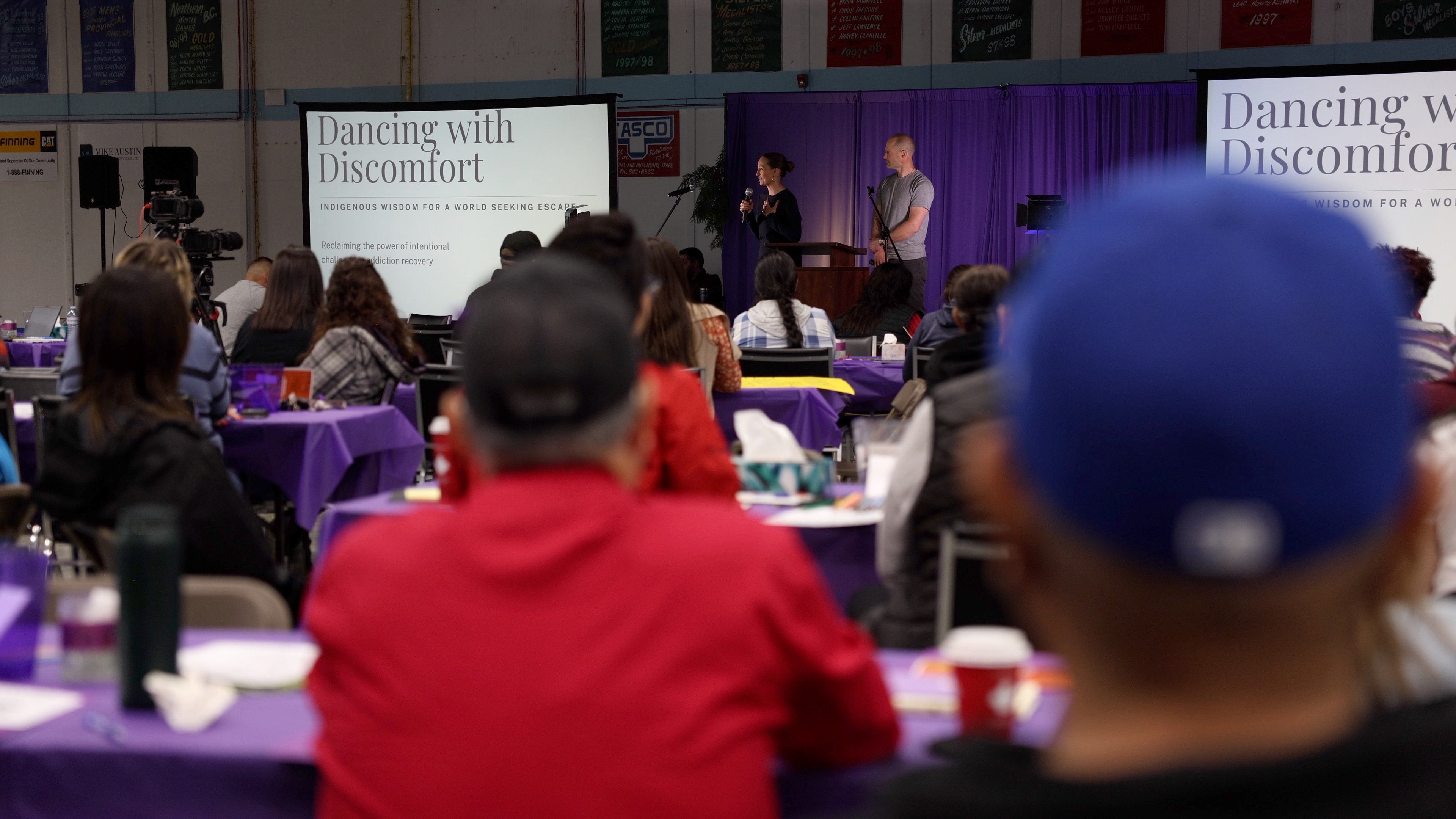
One example is Reclaiming Our Indigenous Spirit, a gathering that was held in collaboration with the Tŝilhqot’in, Northern Secwépemc, Dãkelh Dené and Nuxalk Nations, IH and the First Nations Health Authority in May 2025. This gathering was a request from the Tŝilhqot’in Chiefs as part of the response to the toxic drug crisis. Elders, youth, health-care partners and community members came together to share experiences, honour those who have been lost and explore Indigenous ways of healing and responding to the toxic drug crisis.
For Danielle Kreutzer, a lead on IH's Indigenous mental wellness team with IH, the experience demonstrated the importance of ensuring culture is not simply included in these conversations, but centred within them.
“Organizing this event alongside the four Nations and FNHA was a true privilege,” says Danielle. “From the Elders and Cultural Workers providing smudging and brushing off throughout the two days, to the cedar boughs mindfully hung in the four corners of the room, to numerous Indigenous presenters speaking about Indigenous ways of healing, to the many cultural ceremonies — planned and impromptu — anyone attending the event would quickly see, and more importantly feel, that the Nations’ cultures and healing practices were at the heart of this event and at the heart of community healing.”
Those experiences reflect a broader understanding that there is no single path to healing or recovery.
For one person, support may mean connecting with an outreach worker or accessing harm reduction services. For another, it may include treatment, cultural connection, ceremony, peer or family support. Often, it's a combination of supports that changes over time.
Meeting people where they are, without judgement, and ensuring they can access the care and support that is right for them is an important part of responding to the toxic drug crisis.
How communities are marking the day of remembrance
This International Overdose Awareness Day, communities throughout the region are creating their own spaces for remembrance, awareness and connection.
In Creston, community members are invited to a screening of No Fixed Address, the White Cart Memorial in recognition of overdose awareness and prevention. A "Circle of Empty Chairs" Memorial will be a focal point of the International Overdose Awareness Day gathering in Nelson, while events are also being planned in Grand Forks, Williams Lake, and several other communities across the region.
View International Overdose Awareness Day events | Interior Health
While each community will recognize the day in its own way, they share an important purpose: remembering the people who have been lost, holding space for those who continue to grieve, reducing stigma and reminding people who use substances that they are valued and deserving of care.
The knowledge, leadership and strength within Indigenous communities continues to show what is possible when culture, relationships and community are at the centre of healing.
For IH, the work continues by listening, learning and walking alongside Indigenous partners to strengthen culturally safe and accessible care.
We also acknowledge the families, caregivers, Elders, Knowledge Keepers, wellness workers, outreach teams and community members who continue to walk beside their loved ones through grief, substance use, healing and recovery. Their compassion, persistence and commitment remind us that no one should have to carry these journeys alone.
Check out more stories like this
Travel nurses Michaela and Nick moved from Ontario to B.C., finding careers, community and a new home in Coldstream.
/stories/travel-nursing-brings-ontario-couple-new-home-coldstream
By sharing his story, Dave hopes others struggling with addiction understand that recovery is possible and that support is available.
/stories/what-worked-me-daves-healing-journey-addiction
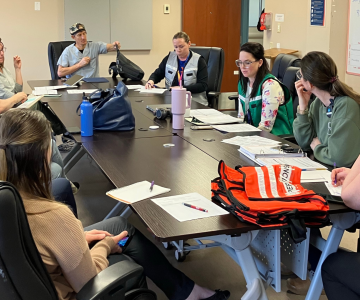
For IH, wildfire preparedness is shaped by years of experience, regular training, exercises, inventories and relationships with partners across the region.
/stories/ih-prepares-wildfire-season-long-smoke-arrives
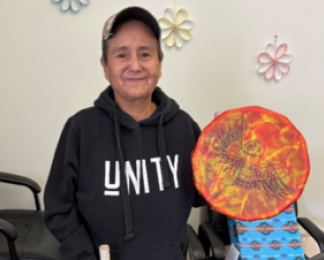
IH’s CMH redevelopment team travelled around Cariboo to reconnect with Indigenous communities and share how their input is shaping the hospital's new building.
/stories/closing-circle-indigenous-communities-shaping-future-cmh
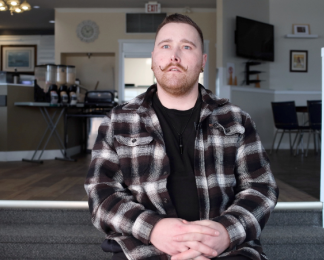
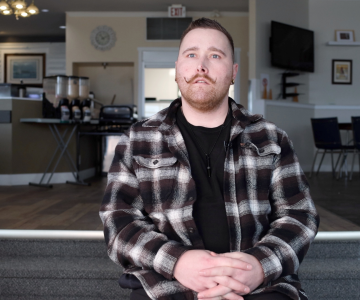
Chris Turner turned to addiction as a teenager, but through his recovery has become a mentor to give hope to others battling addiction.
/stories/what-worked-me-chriss-focus-daily-skills-helps-recovery
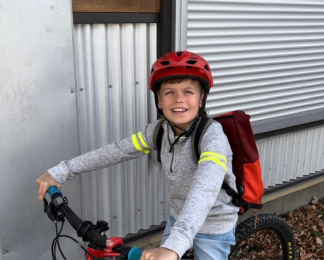
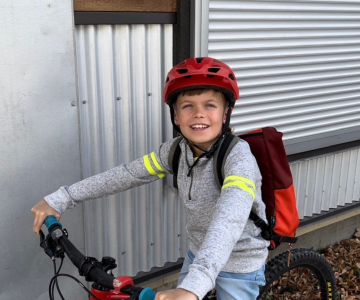
Find tips for walking, biking or rolling to school safely. Learn how to make it safer to travel to school in your community.
/stories/how-walk-bike-or-roll-school-safely
STAY CONNECTED