Summer is here and, for many of us in the B.C. Interior, it’s a time to enjoy actively moving around in our communities. Many people are enjoying alternative low carbon ways of getting around. E-scooters are a convenient, fun alternative to driving a car.
Two Interior communities – Kelowna and Vernon – are currently participating in a three-year provincial pilot project, allowing residents and visitors to use electric kick scooters (e-scooters) under similar rules as bikes and e-bikes. In addition, many individuals across the region have access to their own e-scooter.
As this newer form of transportation is sharing the road with other modes, Interior Health is committed to working with all partners to ensure injury prevention remains a top priority. Evidence from 2021 suggests an increase in the number of scooter-related injuries as compared to the previous five years. The most affected age groups were young individuals between the ages of 20 and 40, and the most common types of injuries were fracture of the upper extremities and open wounds to the head and neck. More than 90 per cent of individuals injured did not wear a helmet at the time of injury.
“Road safety is everyone’s business,” said Dr. Silvina Mema, medical health officer, Interior Health. “It’s important that everyone plays their part to prevent transportation-related injuries and associated impacts experienced in our communities. There are significant health-care costs as well and personal impacts for people who experience serious injuries.”
Interior Health is reminding anyone who uses a privately owned or shared e-scooter to keep safety top of mind and follow the e-scooter provider specifications. Here are a number of steps you can take to ride safely and reduce the risk of injury to yourself or others:
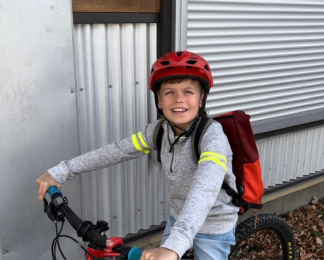
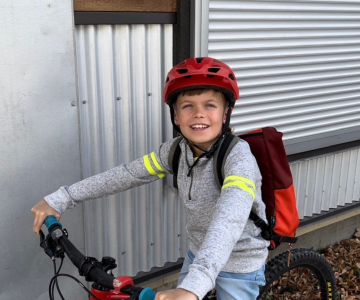
- Wear a helmet
- Don’t carry passengers (e.g., doubling)
- Never ride under the influence of drugs or alcohol
- If you are a less experienced rider, start slow and in areas of low traffic
- Ride at a safe speed and in designated areas such as protected lanes and quiet streets
- Remember you must be 16 or older to ride an e-scooter in B.C. (Kelowna-based operators currently require you to be 18 or older)
- Know the rules - familiarize yourself with where you can and cannot ride
- Ensure your e-scooter is equipped with a braking system and added safety features, including a bell, lights and reflectors
These tips also apply to other types of active travel, such as cycling, skateboarding, non-electric scooters and roller skating/blading.
Interior Health supports alternative modes of transportation and will continue to partner with communities to monitor health-related impacts.
Information on the shared e-scooter programs operating within Interior Health, including their safe use and designated areas for riding, are available on the City of Kelowna, City of Vernon and the Ministry of Transportation and Infrastructure's websites.