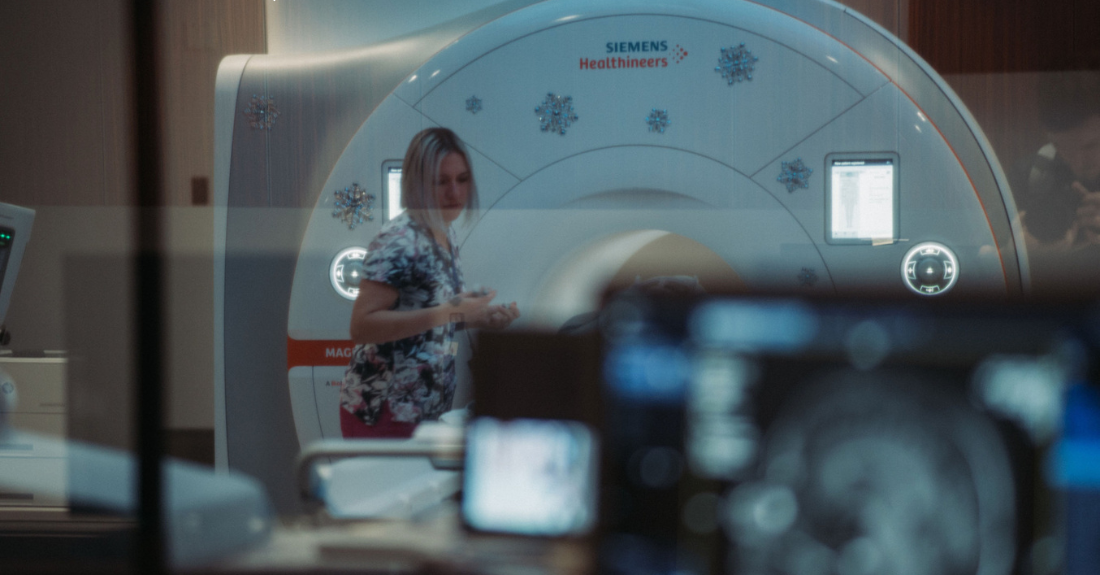
Magnetic resonance imaging (MRI) uses magnets, radio waves and a computer to produce detailed images of the body. An MRI can detect tiny changes of structure in the body, particularly in soft tissue, spinal cord and brain, the abdomen and joints.

MRI is commonly used for:

  • Sports related injuries of the soft tissue and joints
  • Diagnosing heart conditions
  • Examining the chest and abdomen
  • Examining the brain and spinal cord

Resources

MRI Procedure Information

MRI Procedure Information

Frequently Asked Questions

Are patients allowed to have companions during medical imaging exams?

Patient companions often provide patients with a sense of physical and/or emotional safety while the patient is having a medical imaging procedure performed. Learn more

Stories@IH

Read our latest stories

2 Minute Read
Community & Culture

In a show of solidarity, members of Yaqan Nuʔkiy, IH staff and Creston community members came together for National Addictions Awareness Week.

4 Minute Read
Community & Culture

Born in South Africa, raised in Florida and England, and now serving KGH, Kelly Monks’s journey is nothing short of extraordinary and inspiring.

6 Minute Read
Community & Culture

Providing a safe, comfortable and reliable care environment depends on how well our facilities heat, cool and circulate air. 

3 Minute Read
Community & Culture

Despite living with kidney disease and having needed hemodialysis for eight years, at 97 Leno Benetton is living a full life as B.C.'s oldest dialysis patient.

4 Minute Read
Health & Wellness

Falls are not an inevitable part of aging. Many falls are preventable. Exercises that promote strength and balance are one of the ways we can prevent falling.

4 Minute Read
Community & Culture

Guided by respect for Indigenous lived experiences and education—and her own experiences and realities Dr. Roseann Larstone works to create safe spaces for care

STAY CONNECTED

Receive news, alerts, public service announcements and articles right to your inbox.

mail