

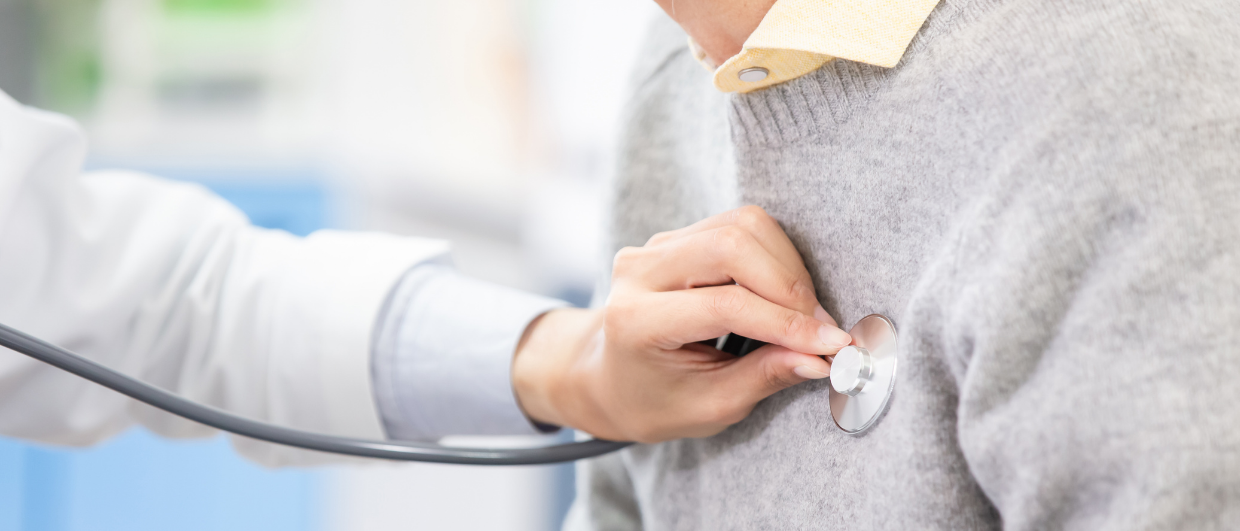
Nuclear Medicine is a type of diagnostic imaging that uses radioactive isotopes, cameras and computers to view the body. Images are produced through the detection of energy emitted from the radioactive substances given to the patient. Different radioactive isotopes are absorbed differently by various parts of the body allowing doctors to isolate specific organs and bodily functions.
Resources

Nuclear Medicine Procedure Information
Nuclear Medicine Procedure Information
Frequently Asked Questions
Are patients allowed to have companions during medical imaging exams?
Patient companions often provide patients with a sense of physical and/or emotional safety while the patient is having a medical imaging procedure performed. Learn more
Find Locations
3 Minute Read
Community & Culture
Travel nurses Michaela and Nick moved from Ontario to B.C., finding careers, community and a new home in Coldstream.
/stories/2026-09-18/travel-nursing-brings-ontario-couple-new-home-coldstream
3 Minute Read
Community & Culture
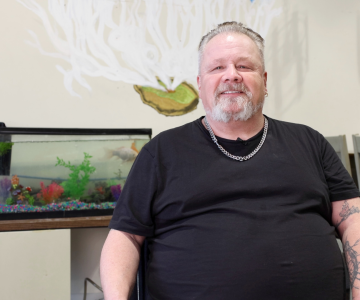
By sharing his story, Dave hopes others struggling with addiction understand that recovery is possible and that support is available.
/stories/2026-09-17/what-worked-me-daves-healing-journey-addiction
6 Minute Read
Health & Wellness
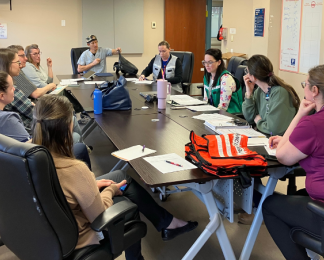
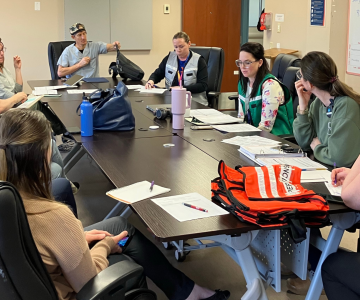
For IH, wildfire preparedness is shaped by years of experience, regular training, exercises, inventories and relationships with partners across the region.
/stories/2026-09-15/ih-prepares-wildfire-season-long-smoke-arrives
3 Minute Read
Community & Culture
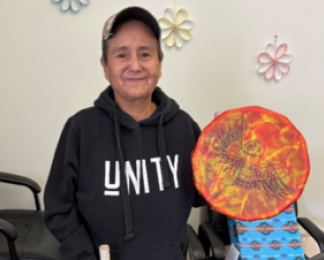
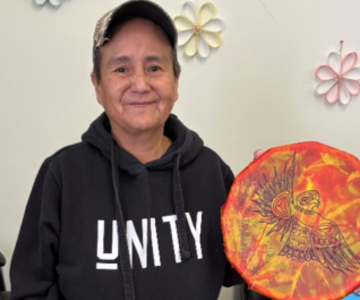
IH’s CMH redevelopment team travelled around Cariboo to reconnect with Indigenous communities and share how their input is shaping the hospital's new building.
/stories/2026-09-10/closing-circle-indigenous-communities-shaping-future-cmh
3 Minute Read
Community & Culture
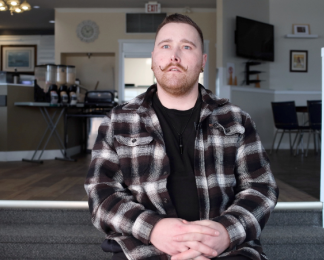
Chris Turner turned to addiction as a teenager, but through his recovery has become a mentor to give hope to others battling addiction.
/stories/2026-09-09/what-worked-me-chriss-focus-daily-skills-helps-recovery
5 Minute Read
Health & Wellness
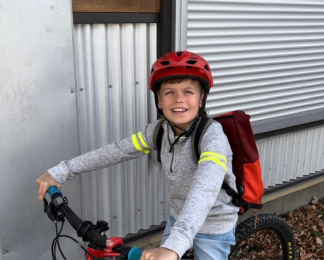
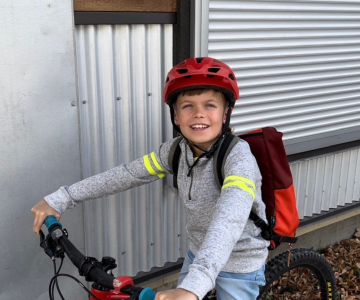
Find tips for walking, biking or rolling to school safely. Learn how to make it safer to travel to school in your community.
/stories/2026-09-04/how-walk-bike-or-roll-school-safely
STAY CONNECTED


Sign Up for MyHealthPortal
“I can’t say enough about this service. It allows me to track my blood sugars, helps manage my health and be better informed before my next visit with my family doctor.”
Access your own health information and records on your smartphone, tablet or computer by signing up for Interior Health’s secure patient information system, MyHealthPortal.