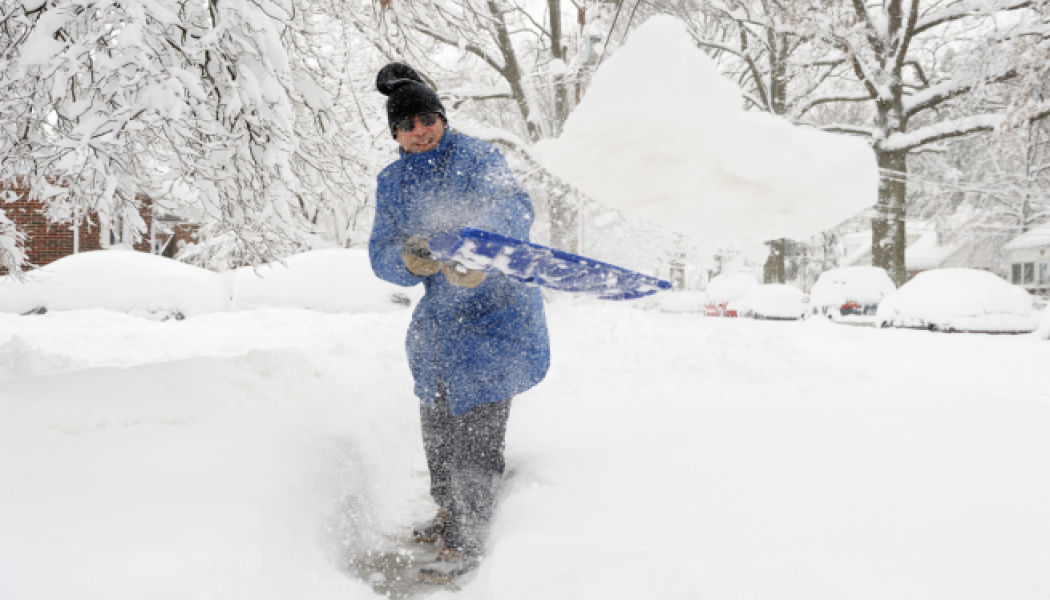
After a mild winter throughout the B.C. Interior, the snow we’ve been anticipating has finally arrived.
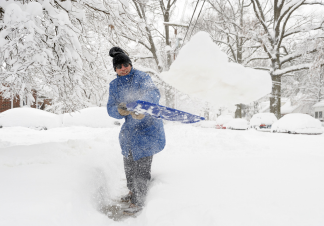
It’s an exciting time for ski and snowboard enthusiasts. It’s also a time when we pull out the shovels to clear our driveways, although hopefully not too often.
Shovelling snow can be an inconvenience, but may also cause injury, mainly to your back and shoulders.
However, injuries can be prevented with the right approach.
In this Story…
Warm up
Don’t start shovelling cold. That is, without having warmed up your body. Stretch first before you begin. This is important for preventing any muscle injury from the exertion it takes to clear the snow.
Wear warm clothing
Consider what you’re wearing before stepping outside. You might not think it feels cold, but even a slightly cold body can increase the risk for injury. This includes gloves and a toque.
The BC Falls and Injury Prevention Coalition recommends you choose warm, stable footwear - look for well-insulated and lightweight footwear with a non-slip tread sole.
Let it snow
It can be tempting to want to clear the snow right away, but be cautious. Experts recommend to avoid shovelling when the mercury dips below -40°C or -25°C if there is a significant wind chill.
Take your time
It’s not a race. You’re not competing with your neighbours to be the first to clear your driveway. Go slow and take breaks when needed to prevent overexertion.
Listen to your body and stop immediately if you’re feeling short of breath. If you experience more severe symptoms like chest pains, call 911.
Shovel appropriate amounts
Assess the type of snow that’s fallen and shovel appropriately. You can collect more on the shovel when it’s light, fluffy snow, but be cautious about overloading the wet, heavy stuff.
In addition, shovel early. Don’t wait for the snow to stop falling. This way, you can take it easy and not overload your body.
Get more stories like this
Sign up to receive the Stories@IH email digest twice a week to your inbox.
Dr. Neil Crofts reflects on a career defined by leadership, service and a lasting commitment to the communities he served.
/stories/community-minded-physician-and-leader-leaves-lasting-mark
Returning home after an evacuation can be a relief. Depending on how long you've been gone, and the condition of your home, you may need to follow precautions.
/stories/returning-home-after-evacuation
Find out how to access the health care you need if you're living situation changes due to a wildfire
/stories/accessing-care-if-youre-evacuated-due-wildfire
Wildfires and natural disasters have many impacts on mental health and well-being. Here are some tips that can help with the stress from wildfire season.
/stories/how-take-care-your-mental-wellness-during-wildfire-season
Choosing to practice medicine in a small community in Canada wasn’t part of Babatunde’s original plan, but he’s glad he took the leap.
/stories/we-are-ih-cranbrook-doctor-finds-meaning-rural-bc-health-care
The IH Indigenous health & wellness podcast explores the intersection of health & culture in the workplace, everyday lives and patient care.
/stories/celebrating-interior-voices-podcast-75th-episode-launches
STAY CONNECTED
Receive news, alerts, public service announcements and articles right to your inbox.