Have you ever thought about ways to enhance our food systems for a healthier tomorrow? At Interior Health (IH), public health dietitians work with communities to increase food security, support food literacy and strengthen local food systems.

Learn how IH public health dietitians work with communities
Recently, COVID-19 and climate change events have brought food issues to the forefront. Supply chain issues and labour shortages have highlighted weaknesses in our global food system. Forest fires, heat domes, floods and mudslides have disrupted our local food supply.
A key part of food security is that everyone has access to food that is affordable, culturally preferable, nutritious and safe. Early in the pandemic, IH public health dietitians and environmental health officers worked with community agencies to help meal programs and emergency food sources stay open for the many people who depend on them.
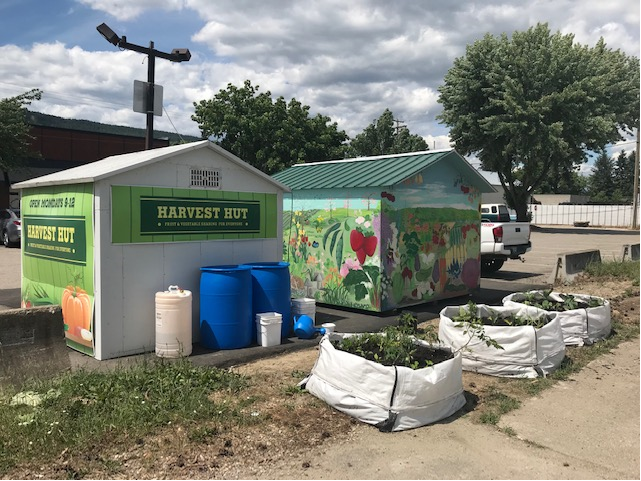
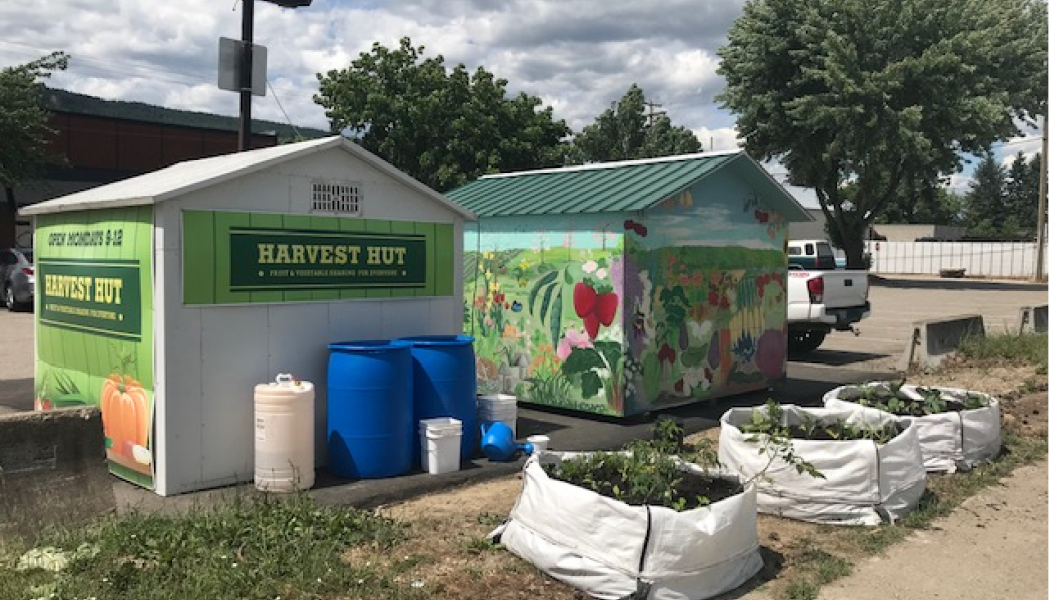
Some farmers’ markets and community produce sharing programs were at risk of not opening. Public Health Dietitian Linda Boyd recalls helping Enderby’s Harvest Hut produce-sharing program find its way through health and safety rules: “Keeping the Harvest Hut running was important for the community, not only to access the local vegetables and fruit, but to keep this valuable point of community connection.”
During the pandemic, public health dietitians helped support school food programs and food-based learning. Working with colleagues across the province, IH public health dietitian Simone Jennings developed a resource on Food Based Learning: “Over the years many schools have embraced hands-on learning using food and cooking. When COVID hit, many restrictions were placed on schools. We wanted to help schools understand the provincial health and safety guidelines so they could continue food-based learning in the classroom.”
In their daily work, public health dietitians support community groups working to strengthen our food system. The Kamloops Food Policy Council, the Central Kootenay Food Policy Council and the North Okanagan Land to Table Network are just a few community groups working hard to make sustainable changes.
Policies that support local food systems and help ensure all British Columbians can afford to eat a healthy diet are powerful ingredients of change. IH public health dietitians help bring attention to policy solutions like these to all levels of government.
Learn more about nutrition and food security
IH offers a range of services to help those who may have mental health, substance use or housing needs.
/stories/sharing-warmth-and-hope-ih-health-services-help-communities
Jayme helps ensure lived experiences are not just welcomed but embedded across Mental Health and Substance Use services at IH.
/stories/we-are-ih-coordinator-centers-peer-voices-care
As temperatures drop, it’s important to be aware of the health risks of cold. Here's what you can do to ensure you remain safe and healthy.
/stories/how-protect-yourself-and-others-when-temperature-drops
Heart disease is the number one killer of women worldwide and the leading cause of premature death in Canada. One in 3 women will be affected by heart disease.
/stories/how-women-experience-heart-disease-differently-men
Wavemakers is a free, groundbreaking virtual reality career-building program where post-secondary students can build skills and connect with employers like IH.
/stories/ih-helps-students-explore-careers-through-virtual-reality-program
Interior Health (IH) and our community partners offer mental health services for youth and adults. Our services are confidential and safe, and free of judgment
/stories/mental-health-services-youth-and-adults-interior
STAY CONNECTED
Receive news, alerts, public service announcements and articles right to your inbox.