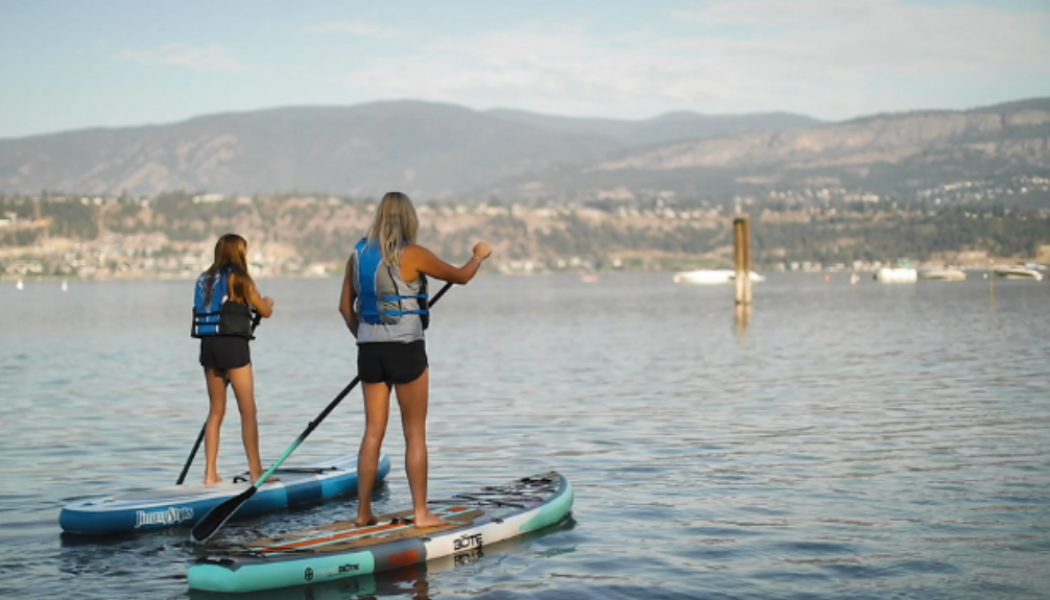
Summer is in full swing and many people in B.C. are enjoying lakes, rivers and swimming pools. Water sports are a great way to stay active and have fun. However, there's a risk of drowning whenever you're enjoying the water.
“Water activities like swimming and boating can be a lot of fun and a great way to cool down, but drowning is a danger we all need to think about," says Mike Adams, team lead with Interior Health's Healthy Communities team.
“Drowning can happen fast, sometimes in less than a minute."
In this Story…
Tips to prevent drowning
Drowning is almost always preventable. Adams says you and your family can play it safe this summer by following these tips for water safety:
- Always swim with a buddy
- Do not go beyond your abilities. Do not go farther or into deeper water than you can handle.
- Never dive into unknown water. Underwater objects may appear deeper than they really are
- Don’t mix alcohol or substance use with water activities
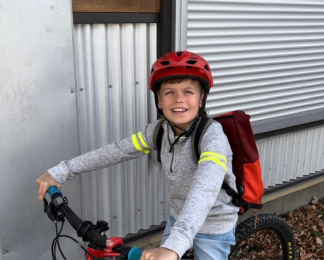
- Always supervise children when around water. A child can drown in seconds in only a few inches of water.
- Install four-sided fencing around pools with a gate that cannot be opened by a child, and child proof or lock doors that open directly to a backyard pool area
- Learn life-saving techniques including CPR and artificial respiration
- Take a marine safety course
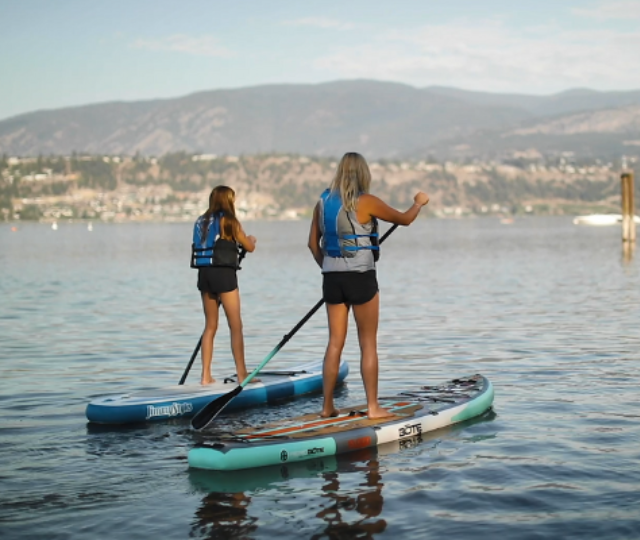
- Always wear a life-jacket when on a boat, personal water craft (such as a Jet Ski), paddle board or any other water craft. Nearly 90 per cent of all boaters who drown are not wearing a life-jacket or not wearing it properly
- Always have a spotter when towing people who are skiing, wake boarding or riding on an inflatable
- Use caution when near water. Falling into a pool or other body of water can be very dangerous. If you hit your head and become unconscious, you can drown very quickly.
Read more in our Summer Safety series
Dr. Neil Crofts reflects on a career defined by leadership, service and a lasting commitment to the communities he served.
/stories/community-minded-physician-and-leader-leaves-lasting-mark
Returning home after an evacuation can be a relief. Depending on how long you've been gone, and the condition of your home, you may need to follow precautions.
/stories/returning-home-after-evacuation
Find out how to access the health care you need if you're living situation changes due to a wildfire
/stories/accessing-care-if-youre-evacuated-due-wildfire
Wildfires and natural disasters have many impacts on mental health and well-being. Here are some tips that can help with the stress from wildfire season.
/stories/how-take-care-your-mental-wellness-during-wildfire-season
Choosing to practice medicine in a small community in Canada wasn’t part of Babatunde’s original plan, but he’s glad he took the leap.
/stories/we-are-ih-cranbrook-doctor-finds-meaning-rural-bc-health-care
The IH Indigenous health & wellness podcast explores the intersection of health & culture in the workplace, everyday lives and patient care.
/stories/celebrating-interior-voices-podcast-75th-episode-launches
STAY CONNECTED
Receive news, alerts, public service announcements and articles right to your inbox.