Caring for our caregivers

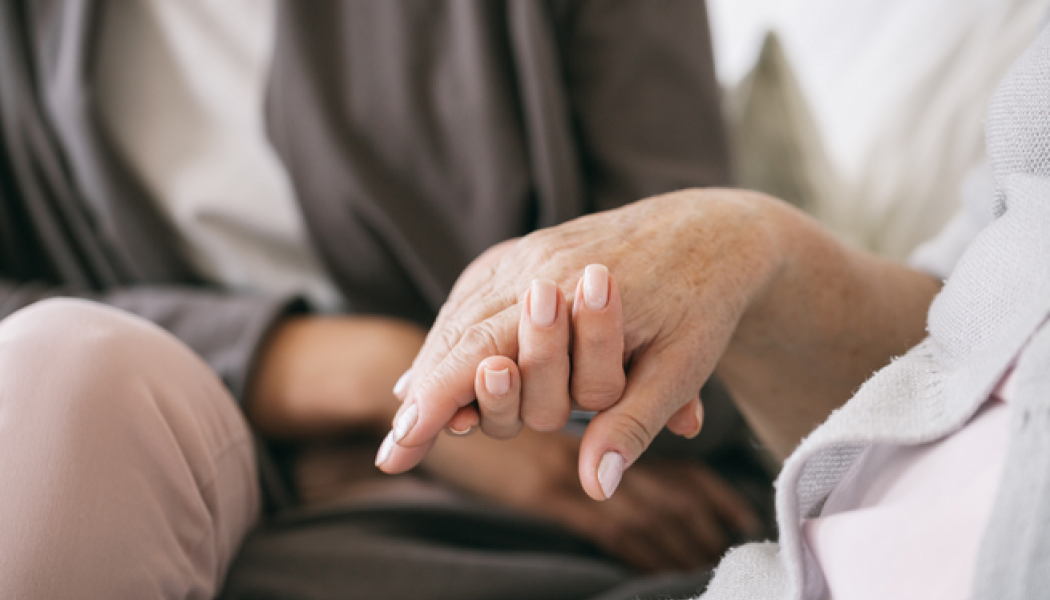
Every day in British Columbia, tens of thousands of people take care of loved ones with medical, physical, emotional and age-related needs – spouses, parents, grandparents, siblings, children, friends and neighbours. Care can look like picking up some groceries, or cooking a meal. It can be bringing a loved one to health-care appointments. Or it can be round-the-clock care.

If you find yourself in such a role, you are, in fact, a caregiver. In B.C., it’s estimated over 26 per cent of our population – or more than one million people – offer free care, equivalent to an economic value of $14.7 billion. Together, caregivers provide about 80 per cent of the at-home care for family and loved ones.

Unpaid caregiving is not only a pillar of our health-care system, it’s embedded in the fabric of our social and family structures. That’s not to say it’s an easy, ideal or appropriate role: anyone who has taken on the responsibility of care can speak to the burnout, stress, fatigue and frustration the role entails. Providing care and navigating the health-care system can be complex, confusing and exhausting.
Stories@IH

Read our latest stories

3 Minute Read
Community & Culture

IH’s CMH redevelopment team travelled around Cariboo to reconnect with Indigenous communities and share how their input is shaping the hospital's new building.

3 Minute Read
Community & Culture

Chris Turner turned to addiction as a teenager, but through his recovery has become a mentor to give hope to others battling addiction.

5 Minute Read
Health & Wellness

Find tips for walking, biking or rolling to school safely. Learn how to make it safer to travel to school in your community.

4 Minute Read
Community & Culture

For Kelli Hartman, nursing was never just a career choice. It was a calling. What she didn't expect was where that calling would take her.

5 Minute Read
Community & Culture

What worked for Saras addition recovery was the connections and relationships she formed at IH that changed her life.

3 Minute Read
Health & Wellness

With B.C.’s ongoing toxic drug crisis., it’s more important than ever to know how to recognize the signs of an overdose and what to do if someone needs help.

STAY CONNECTED

Receive news, alerts, public service announcements and articles right to your inbox.

mail