Helping our most vulnerable babies with donated breast milk

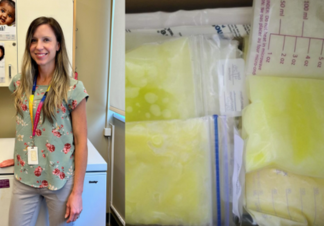
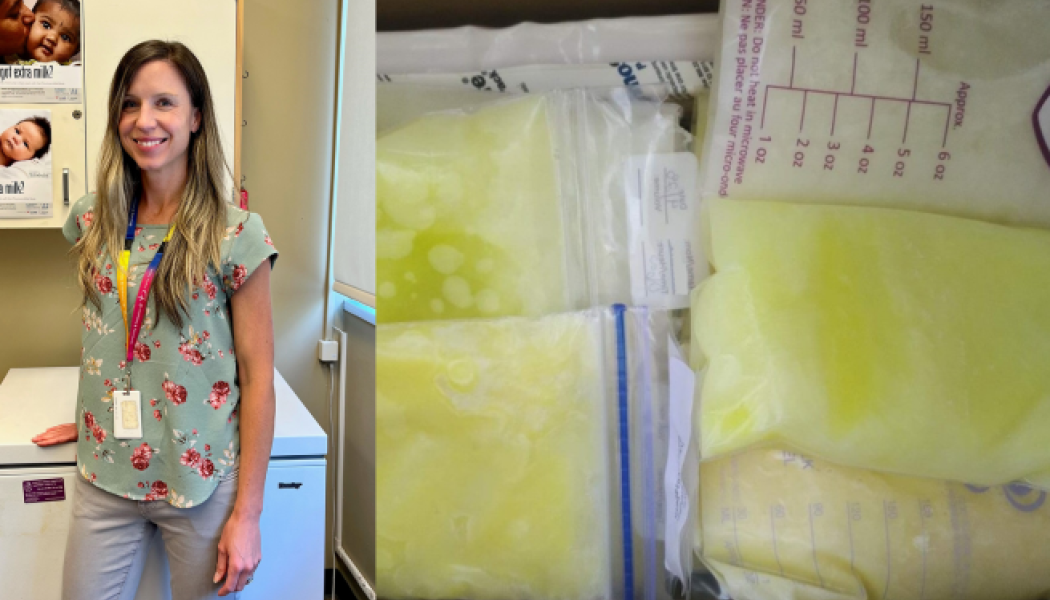
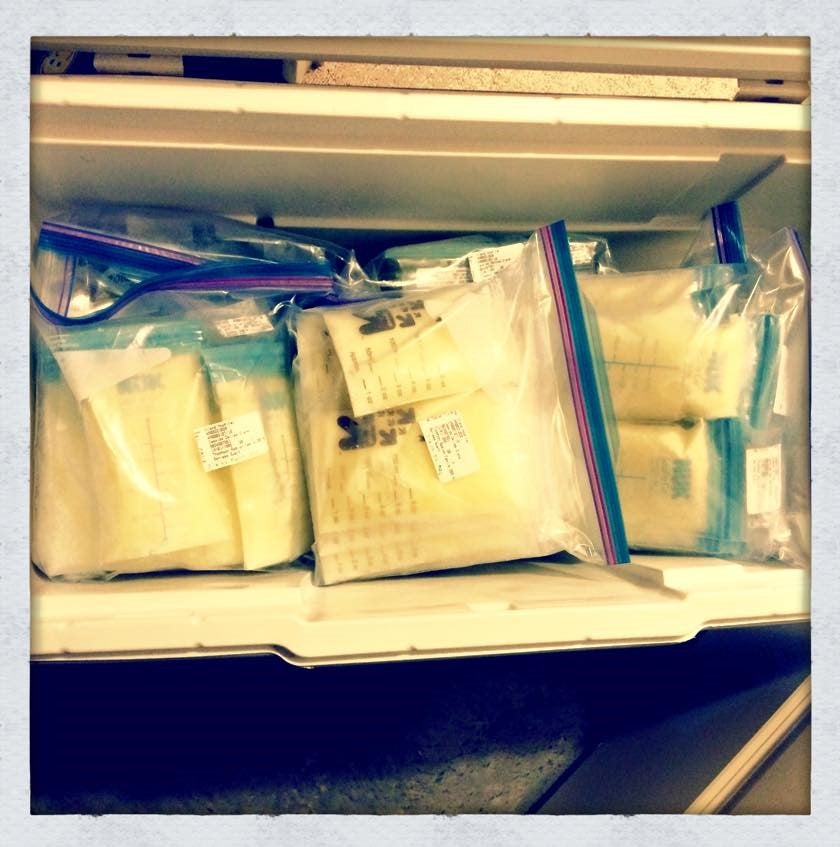
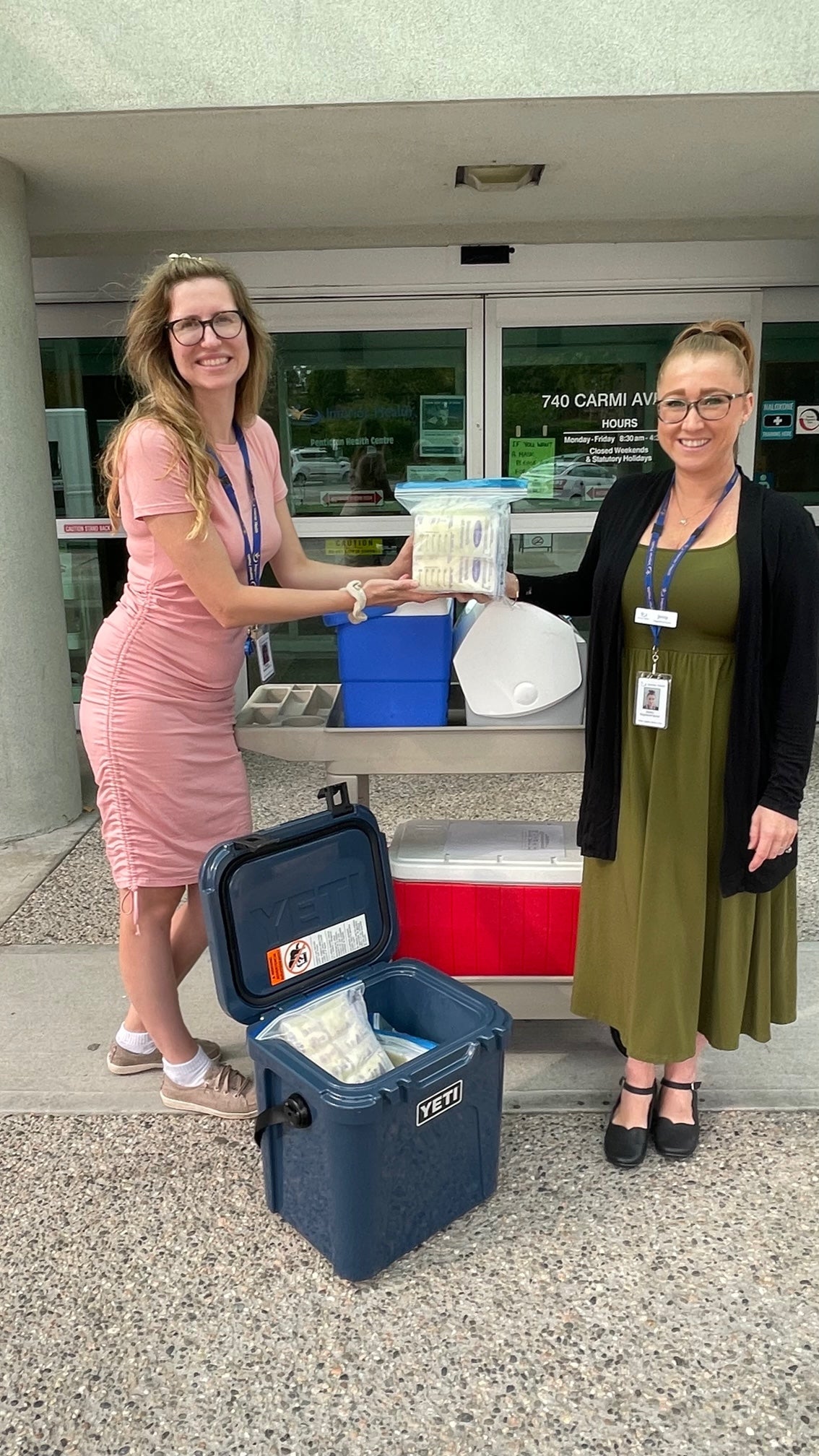
Dallas, a public health nurse at Interior Health, has donated more than 20 litres of expressed breast milk to the milk bank

When Dallas had her son eight years ago, she quickly realized she had more milk than she her son needed to thrive.

“I knew there were babies who could really benefit from my donated breast milk,” says Dallas, a public health nurse at Interior Health. “I have donated more than 20 litres of expressed breast milk to the milk bank. I got the idea from my own mom, who also donated when I was born prematurely at BC Women’s Hospital in 1985.

"The concept and use of donor milk has been around for a very long time, and has shown to be such a huge part in health and growth of our tiniest, most fragile patients."

When a baby is born prematurely or is sick, or when a mother’s milk isn’t available, pasteurized donor breast milk is the next best thing. While milk from a baby’s mother is always the first choice, donor breast milk contains the same antibodies that protect a baby from disease and infection.
Stories@IH

Read our latest stories

3 Minute Read
Health & Wellness

Learn how to stay safe in B.C. waters when blue-green algae blooms, or cyanobacteria, are present.

4 Minute Read
Community & Culture

Moved by her son's health journey, Alana Haynes found her calling helping young patients at Kelowna General Hospital feel more at ease and parents reassured.

5 Minute Read
Community & Culture

Cheryl Whittleton’s 40-year IH career spans bedside care to senior leadership, grounded in compassion and a commitment to strengthening the future of nursing.

3 Minute Read
Community & Culture

What started as a travel plan quickly became something more permanent for Stasia Ruskie, a nurse from the U.S. who had always wanted to explore B.C..

3 Minute Read
Community & Culture

Inspired by the strength and openness needed to care for families during one of life’s most transformative moments, Rachel pursued a career in health care.

3 Minute Read
Health & Wellness

Hantavirus is a rare but serious disease caused by inhaling hantaviruses in old rodent droppings or urine. Learn how to protect yourself while cleaning.

STAY CONNECTED

Receive news, alerts, public service announcements and articles right to your inbox.

mail