Home is where the care is: Getting help with living at home
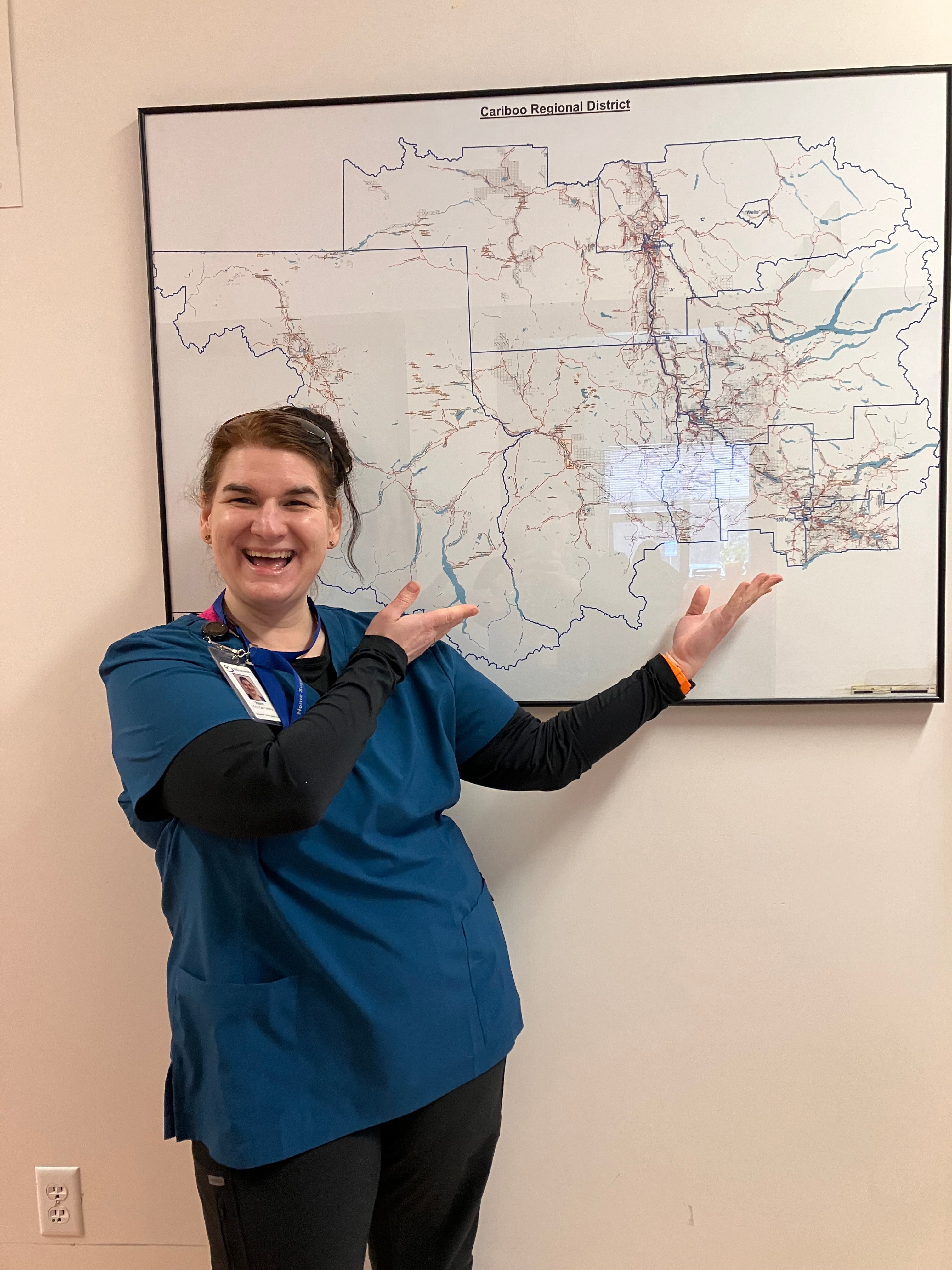
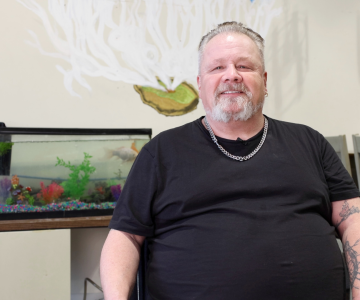
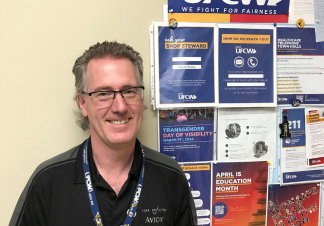
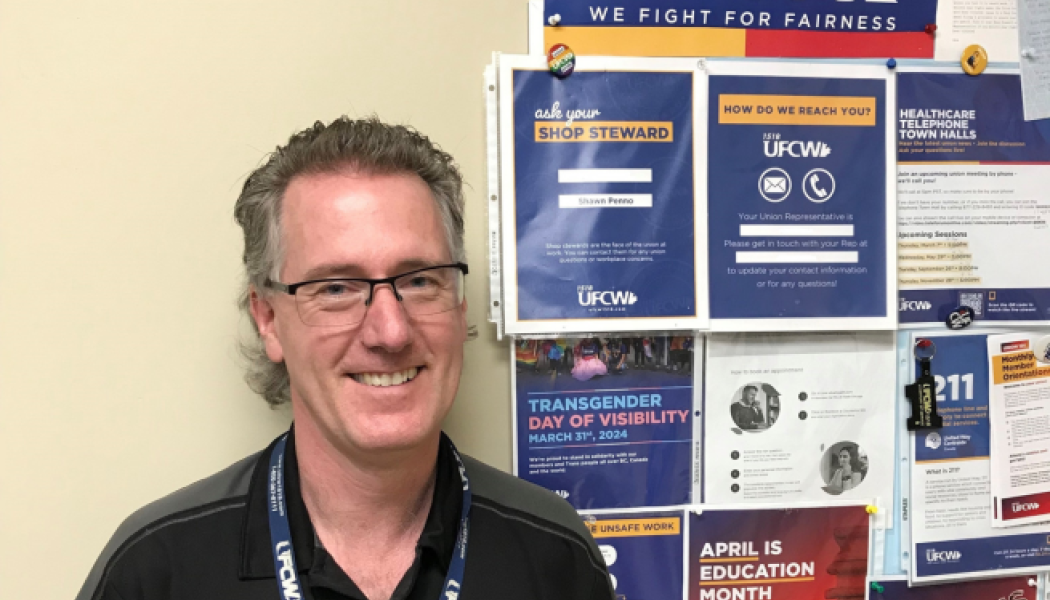
Thirty years ago, Shawn Penno moved from Kelowna to Armstrong to be with his now wife. He had been working as a manager in building products in Kelowna but missed being in health care. “Both my wife and her mom had been care aides, and I thought, it will take just six months of training to become a community health worker and then I’d go from there,” he says. “But I got into it, and I loved it.”
Today, Shawn is not only a community health worker, but a union shop steward, an instructor for safe patient handling, and a co-chair of the Occupational Health and Safety Committee. “It’s been a lifelong journey. I had been in medical school for a couple of years but had to leave for family reasons. I had a nurse once tell me, ‘You should be an RN.’ But I love where I am. I love the hands-on care and knowing so many people in town.”
Community health workers play an important in delivering care in the comfort of people's homes. Every day, hundreds of health workers across Interior Health visit thousands of clients to provide a range of services so they can live independently at home.
Getting help at home – Where to begin
If you or someone you know needs help at home, getting help with living at home starts with a call to 1-800-707-8550. The advantage of calling Interior Health directly is you can refer yourself, or you can refer someone you’re concerned about, whether that’s a loved one, friend or even a neighbour, as long as you have an address and phone number. Community health workers also work with Indigenous People on and off reserves throughout the Interior Health region.
Home support is almost always the first step toward more intensive health-care services, such as home care nursing, or long-term care. Behind the scenes, community health workers work with a team of health-care professionals, including registered nurses, occupational therapists, physiotherapists, social workers and more.
What to expect during a visit
Visits can start at around 15 to 30 minutes and go up from there. A community health worker may visit a client up to several times a day, to a few times a week or month, depending on the level of care needed.
The goal is to help people live independently as long as they can. “I like to say, ‘I’m here to enable you, not disable you,’” says Shawn. Some of the health care needs community health workers take care of include:
- Shaving and brushing teeth
- Help getting dressed, such as putting on compression socks
- Incontinence management
- Nutritional support and light meal preparation (no raw meat rep)
- Helping ensure clients finish their meals
- Bathing (if the client can get in and out of the shower or bathtub safely), or sponge baths
- Safety management
- Fall prevention
- Giving medication (as long as medicine is in blister packs)
- Basic wound care
Here are a few things community health workers can’t help clients with
- Housekeeping (except very light housekeeping such as emptying the dishwasher or sweeping the floor is okay)
- Pet care
- Shopping
- Driving
- Yard maintenance
One thing to remember is some community health workers may be travelling over an hour between clients. Road conditions – especially during flooding and wildfire seasons and the winter – may affect travel.
How to make the most of a home support visit
Allowing a community health worker into your home for the first time may evoke different reactions and feelings. They may be a welcome respite and relief for your daily care, and someone who provides conversation and company. Or, you might feel uneasy about having a stranger in your home.
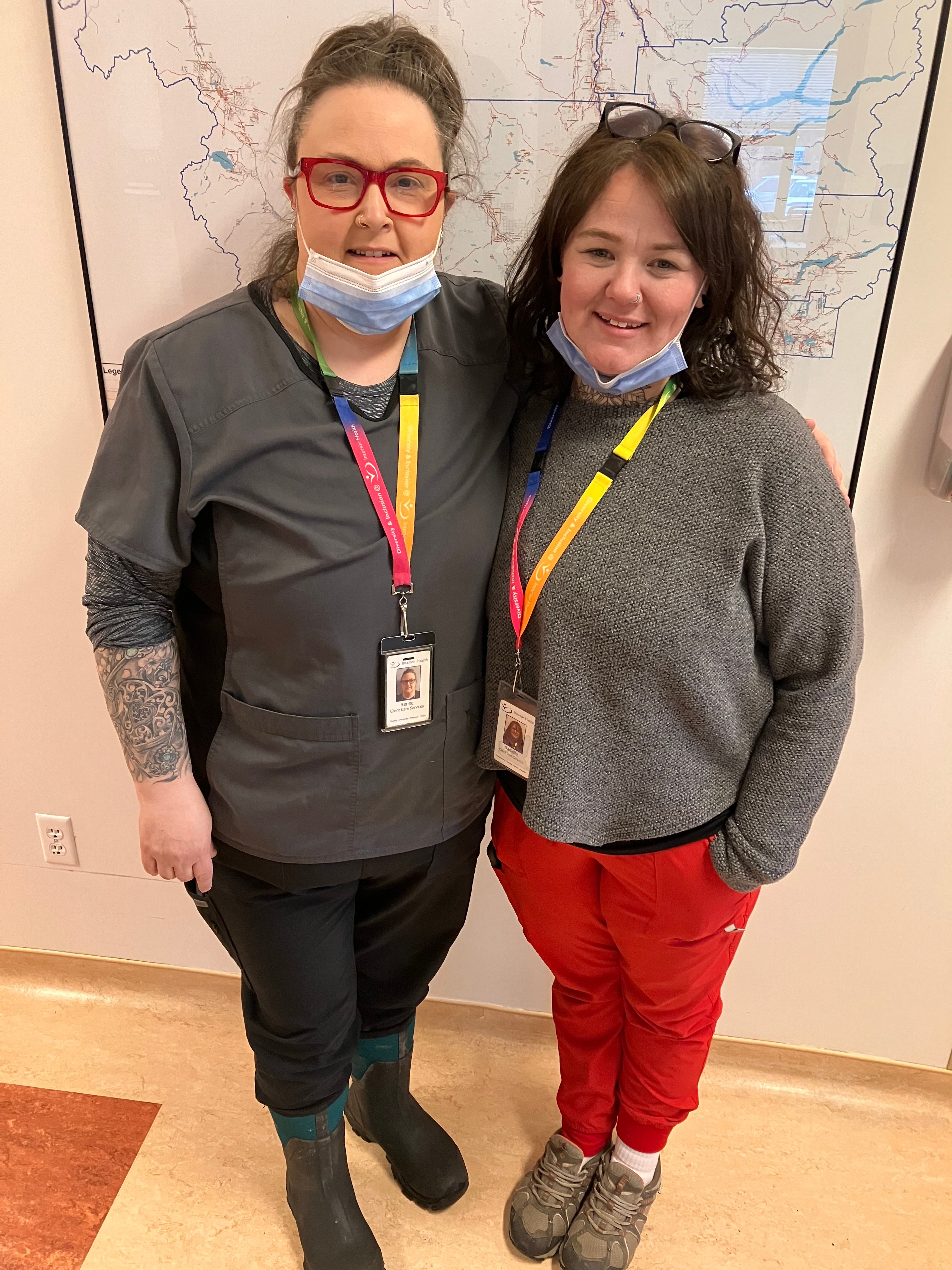
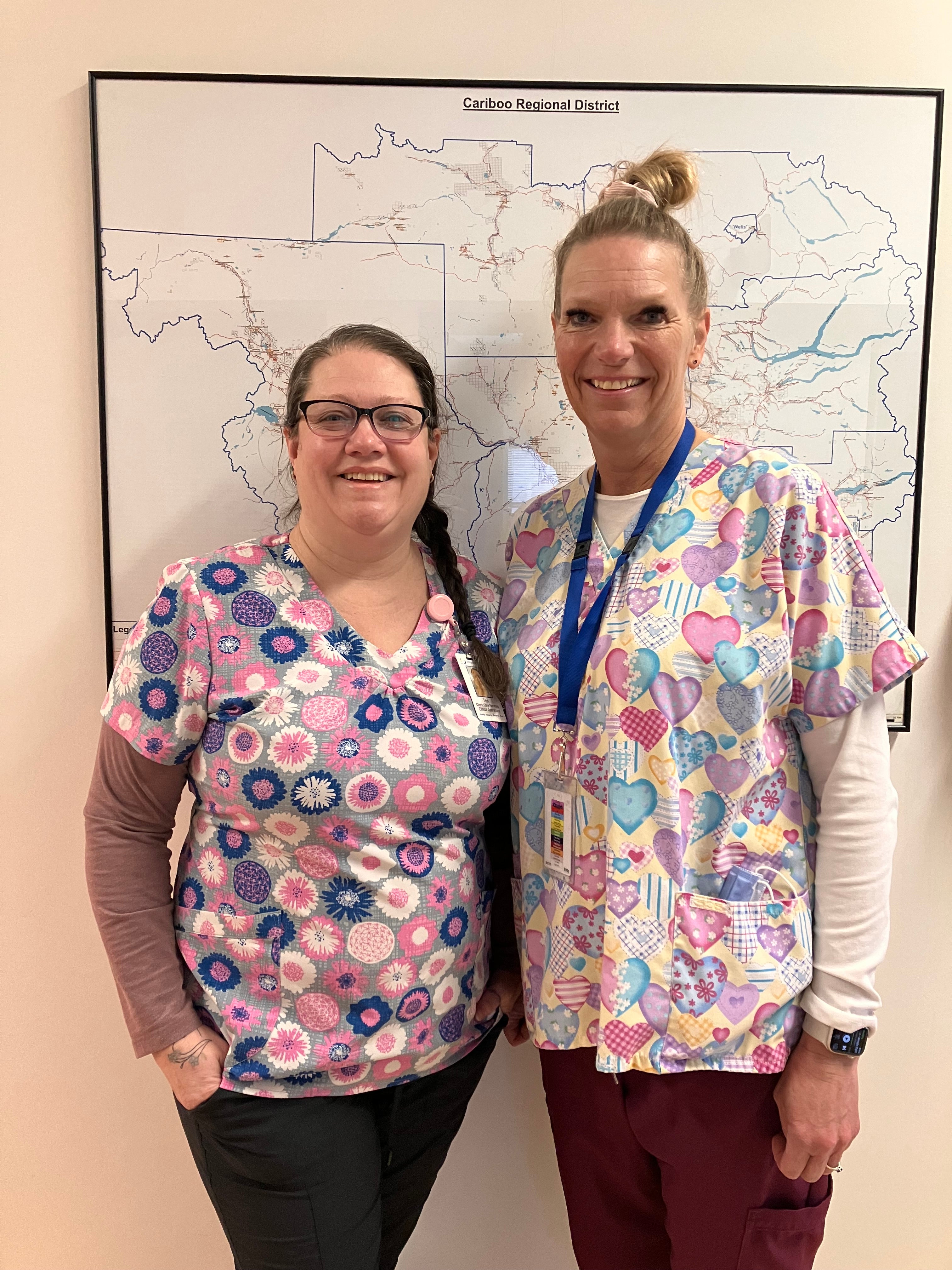
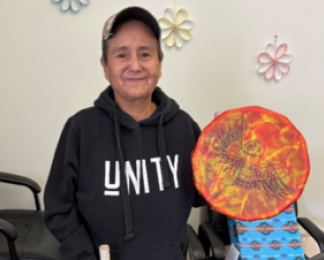
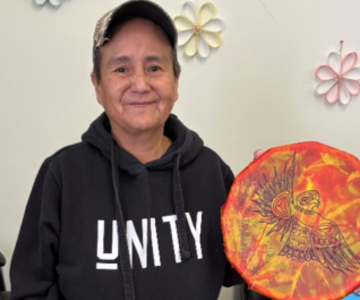
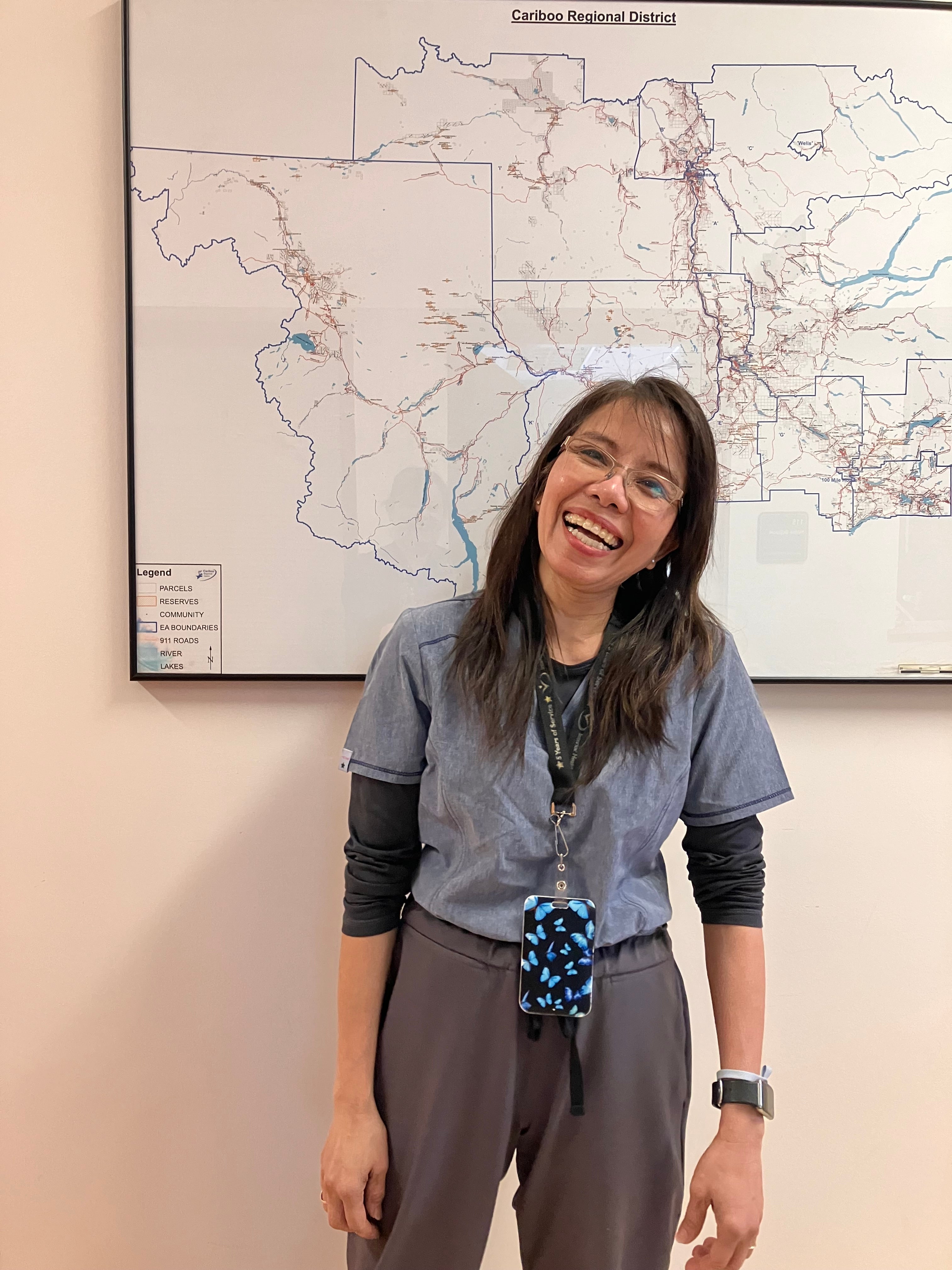
Kathy was born and raised in 100 Mile House and has been a community health worker with IH for five years. “Our goal is to help support clients in doing their daily tasks so they can be at home,” she explains. Here are a few ways Kathy says you can help both you and your community health worker have a successful visit:
- Make sure your pets are secured in a carrier or even better, another room
- If you smoke, try to refrain from smoking inside your home for at least one hour, and air out your rooms
- Keep the areas around your bed, hallways and stairs clear and free from clutter to prevent trips and falls
Longer term, consider putting together an Advance Care Plan so your loved ones know your personal health-care needs in case you eventually can’t make decisions for yourself.
Interested in a career as a community health worker at IH?
If you’re interested in launching a career in health care – or are looking for opportunities to work one-on-one with patients – a community health worker role offers an excellent entry point to start your journey. You can work part-time, full-time and casual.
“It’s just one of the greatest jobs to have,” says Kathy. “Just being out and getting to know people in your community is wonderful.”
During his career as a community health worker, Shawn has seen vast changes in health care and our population. “People are living much longer. Twenty years ago, there was maybe one or two centenarians. Today, I know six just in Armstrong,” he says. “We find ways to do things better or safer. There’s more technology and equipment, and we can get some of that equipment into homes now, like portable ceiling lifts. The only thing that stays the same is everything changes.”
“We’re the faces clients see every day who help them get through their days,” adds Shawn. “I love seeing the pictures of the grandkids on the walls and hearing their stories.”
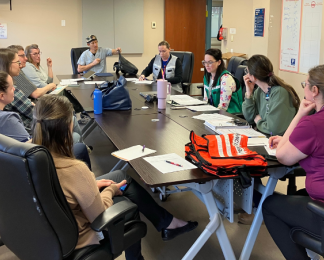
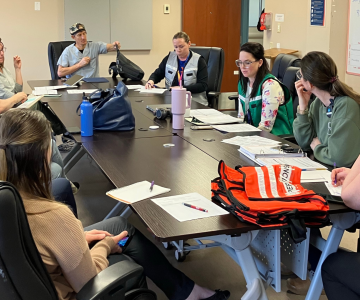
At Interior Health, community health worders can participate in a Community of Practice. CHWs gather regularly to share information, education, experiences and how to use best practices. They share ways to how better use skills, tools and technology with clients, and advocate for their profession.
One way you can jumpstart your career as a community health worker at Interior Health is through applying to the Health Career Access Program. In exchange for free tuition and a paid practicum, you sign a 12-month service agreement with IH in exchange for this funding. Or you can choose to do it on your own and pay privately to be a ‘free agent’ and work almost anywhere in a great unionized career!
Talking to your teens about drugs shows you care they make safe choices—it doesn't encourage drug use. Here's how to have talks with an open heart and mind.
/stories/how-talk-teens-about-drugs-and-other-substances
Cottonwoods Care Centre coordinator Lia Sambrielaz has been sharing small acts of kindness at IH for 37 years.
/stories/we-are-ih-coordinator-motivated-help-long-term-care-clients
Our 9-part video series teaches about the purpose and importance of advance care planning (ACP) and why it gives peace of mind to you and your loved ones.
/stories/lets-talk-about-advance-care-planning-your-voice-your-choice
A funding initiative is helping the Cariboo Chilcotin Métis Association (CCMA) grow food security in ways that reflect knowledge, culture and community needs.
/stories/funding-helps-williams-lake-metis-community-support-food-security
Meghan Johnston became a registered psychiatric nurse after watching people struggle to navigate the health-care system and witnessing the barriers they faced.
/stories/we-are-ih-psychiatric-nurse-finds-meaning-crisis-team-role
Jasmine Mingaud found relief and stability after connecting with the Central Okanagan PCN where a team helped her manage chronic pain and life challenges.
/stories/how-primary-care-team-changed-one-womans-chronic-pain-journey
STAY CONNECTED
Receive news, alerts, public service announcements and articles right to your inbox.