
There's always potential for extended hot temperatures in the summer. Here's what you can do to ensure you and your family remain safe and healthy this summer.
There's always potential for extended hot temperatures in the summer. Here's what you can do to ensure you and your family remain safe and healthy this summer.
Download the WeatherCAN app to receive real-time updates for upcoming heat alerts for your community directly to your phone. You can also choose to get updates for the communities where your friends and family live to keep them up-to-date too.
You can also get weather alerts online from ECCC, and from the Alertable app, which provides alerts for severe weather, tornados, wildfires, air quality and more across Canada.
Prepare your home

Take care of yourself
Make sure you take it easy during the hottest hours of the day, drink plenty of water, spray your body with water, and seek a cooler space if you are feeling too hot. You can also make sure you are familiar with the signs and symptoms of heat-related illness, how to prevent it, how to treat it, and when to seek medical care.
Check in on others
Think of people who might be more susceptible to heat. and develop a buddy system. Check in with your hot weather buddy often, especially in the evenings when indoor temperatures are highest, and in the morning to see how they managed throughout the night.
Through the Portable AC Offer of the Energy Conservation Assistance Program (ECAP), BC Hydro offers portable air conditioners for FREE.
If you live in an income-qualified household and/or have received a recommendation letter from your regional health authority's Home Care Program you may be eligible for a free portable air conditioner (AC).
Check if you are eligible, receive a recommendation from IH staff, and apply online.
For more information about who is more susceptible to heat-related illness and actions that you can take to protect yourself and others around you, check out:
Sign up to receive the Stories@IH email digest twice a week to your inbox.


Travel nurses Michaela and Nick moved from Ontario to B.C., finding careers, community and a new home in Coldstream.
/stories/2026-09-18/travel-nursing-brings-ontario-couple-new-home-coldstream
By sharing his story, Dave hopes others struggling with addiction understand that recovery is possible and that support is available.
/stories/2026-09-17/what-worked-me-daves-healing-journey-addiction
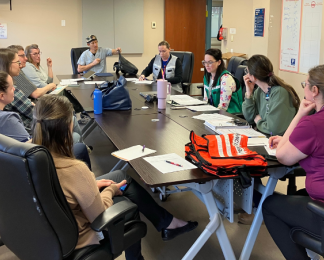
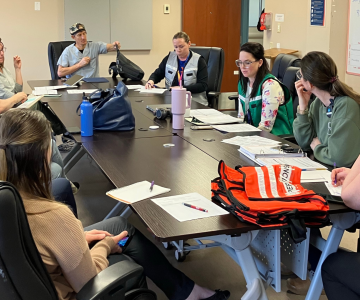
For IH, wildfire preparedness is shaped by years of experience, regular training, exercises, inventories and relationships with partners across the region.
/stories/2026-09-15/ih-prepares-wildfire-season-long-smoke-arrives
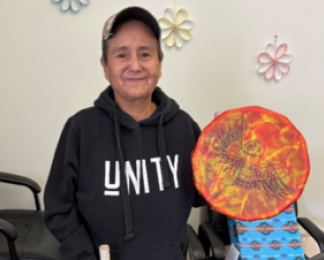
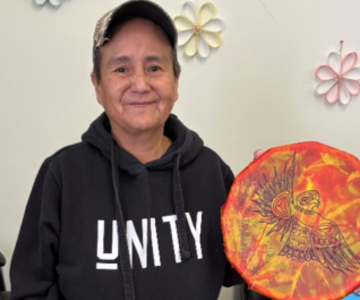
IH’s CMH redevelopment team travelled around Cariboo to reconnect with Indigenous communities and share how their input is shaping the hospital's new building.
/stories/2026-09-10/closing-circle-indigenous-communities-shaping-future-cmh
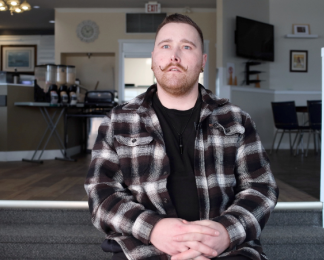
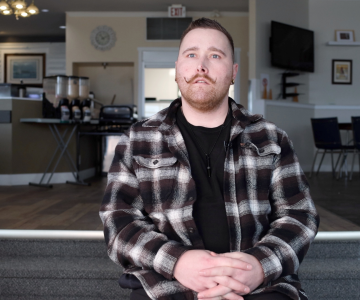
Chris Turner turned to addiction as a teenager, but through his recovery has become a mentor to give hope to others battling addiction.
/stories/2026-09-09/what-worked-me-chriss-focus-daily-skills-helps-recovery
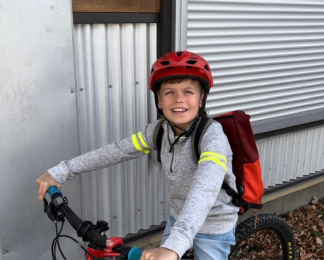
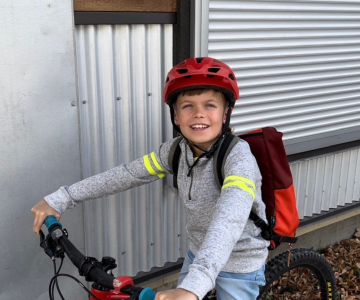
Find tips for walking, biking or rolling to school safely. Learn how to make it safer to travel to school in your community.
/stories/2026-09-04/how-walk-bike-or-roll-school-safely