Grants help make roads safer for pedestrians, cyclists & scooters
If you’re hit by a vehicle doing 30 km/hr, your chance of survival is approximately nine out of 10. At 50 km/hr? Your chances drop to about two out of 10.
In other words, the human body is no match for 2,500 kg of steel.
Road users like pedestrians, cyclists and riders on wheels (e.g., scooters and skateboards)—anyone who isn’t protected by a vehicle—are at the greatest risk of being injured. Safety experts call these people “vulnerable road users.”
Vision Zero BC: Making roads safer and more equitable
Many residents in the Interior walk, cycle and roll to get around—choices that are inexpensive, healthy and accessible. The goal of Vision Zero BC is to support local communities in making this kind of travel safe and equitable.
The Vision Zero in Road Safety Grant Program offers up to $20,000 per project. The program is funded by the Ministry of Health and Ministry of Transportation and Infrastructure, with funds matched by Interior Health. Examples of improvements have included:
- Rapid flashing beacons for pedestrian safety
- Speed humps to reduce vehicle speed
- Separated pedestrian and cycling paths
- Road crossings
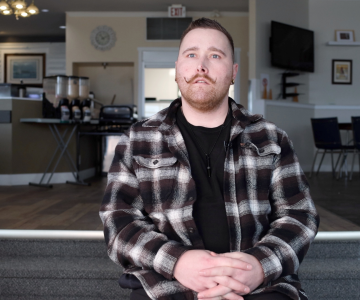
Shianne Bains is Interior Health’s (IH) Injury Prevention and Safety Promotion lead. She’s a member of both IH’s Healthy Communities Team and the provincial BCCDC Injury Prevention team. Road safety is among the three priorities for injury prevention in B.C.
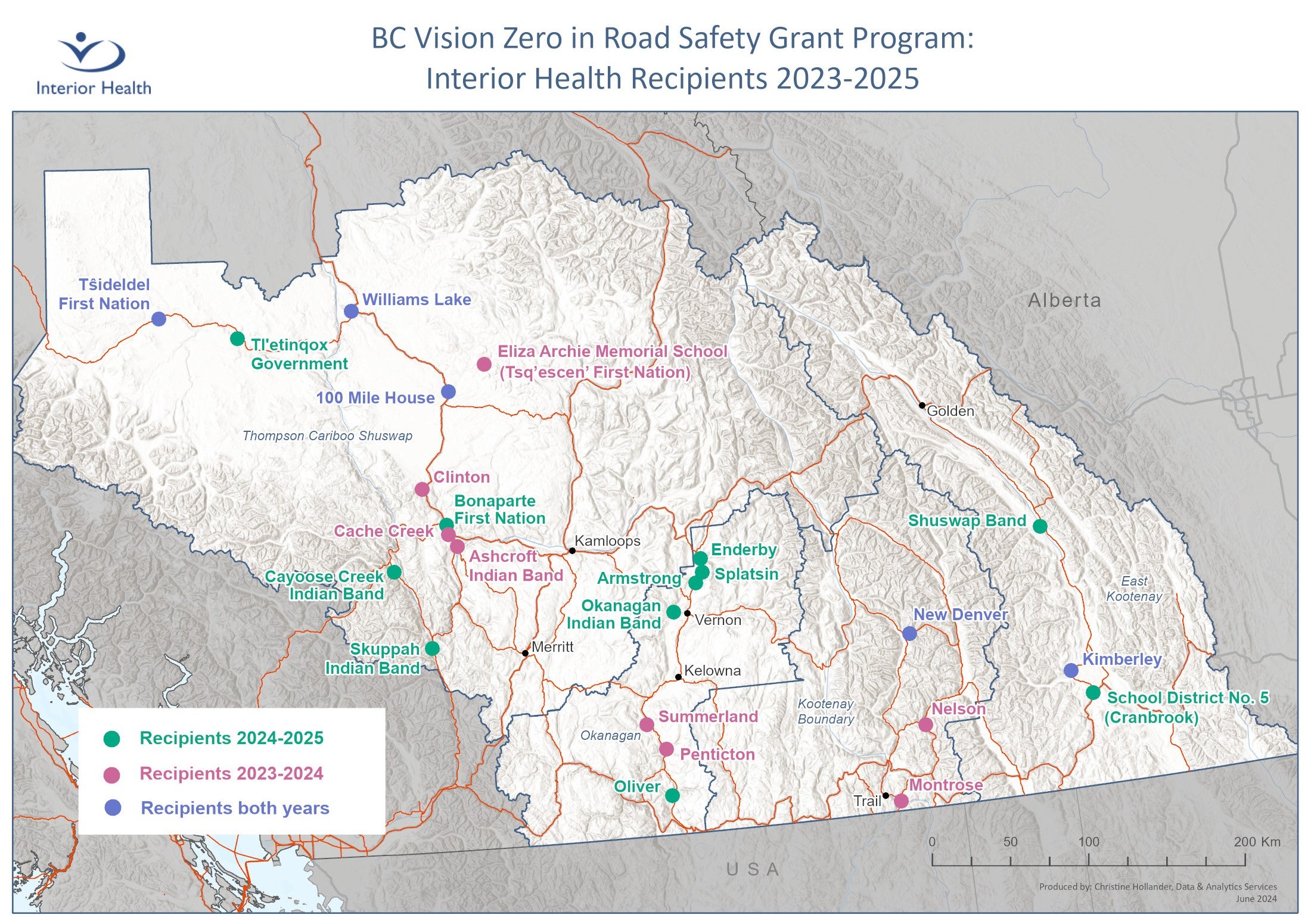
This map depicts recipients of Vision Zero Road Safety Grants in the Interior region since 2023.
“Since the Vision Zero program was first launched in 2022, local communities, non-government organizations and First Nation communities in the Interior Health region have received more than half a million dollars to improve road safety,” says Shianne. “Each year, IH has matched funding provided by the Province to strengthen and grow the program within IH. In total, we have funded 35 road safety projects in over 24 communities across IH, including 13 grants to First Nation communities.”
Vision Zero grants also support B.C.’s Active Transportation Strategy, which includes the goal of doubling the percentage of active, or human-powered, transportation by the year 2030. By making roadways safer for active transportation users, roads also become safer for people using motor vehicles.
Make your local roads safer & better: Apply for a grant today
Find out if your road safety improvement project may be eligible for funding.
- Local governments
- First Nation and Indigenous governments
- Non‐governmental organizations (NGOs) which can include, but are not limited to, school districts, parent advisory councils (PACs), road safety advocacy groups, Indigenous Friendship Centres and charitable organizations
Nov. 29, 2024
Please visit Vision Zero BC for all the information you need to apply.
Please contact injuryprevention@interiorhealth.ca for more information and to ask any questions you might have about applying for a Vision Zero BC grant.
Explore other Vision Zero BC projects in the Interior
The challenge: The Tl’etinqox Government in Alexis Creek has a serious problem with speeding in the their community from cars, trucks, quads/ATVs and dirt bikes. Very few people are confident in walking on the community roads
The solution: Inverse speed bumps and signage in high-traffic areas to reduce speeding, plus community safety information sessions.
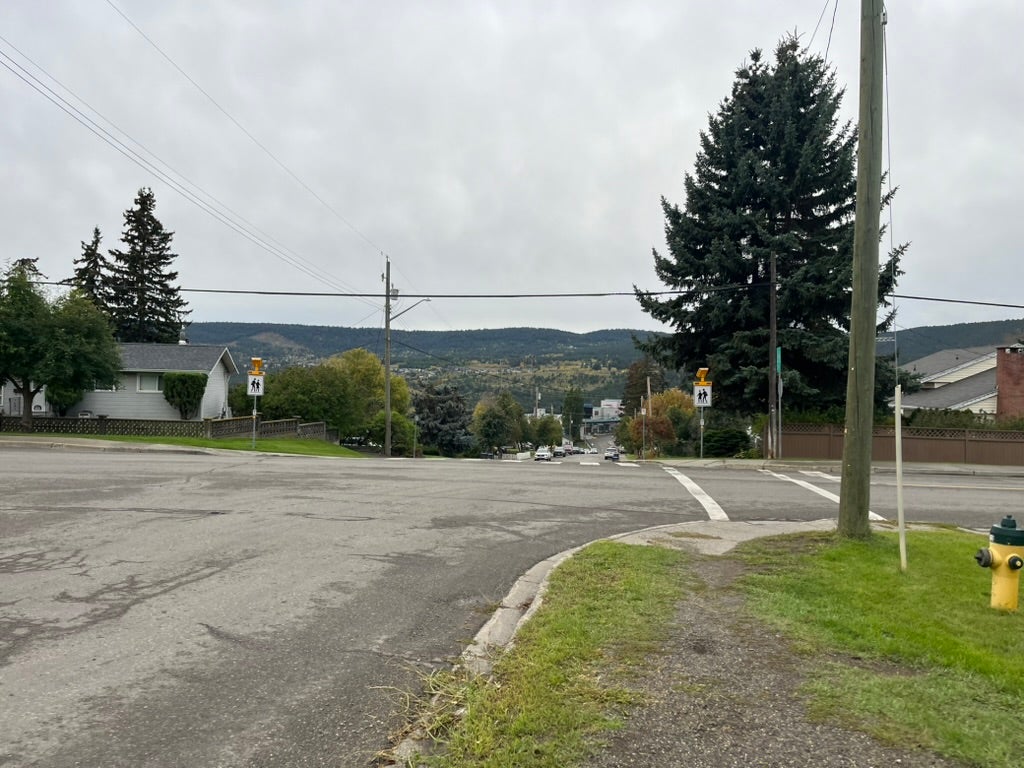
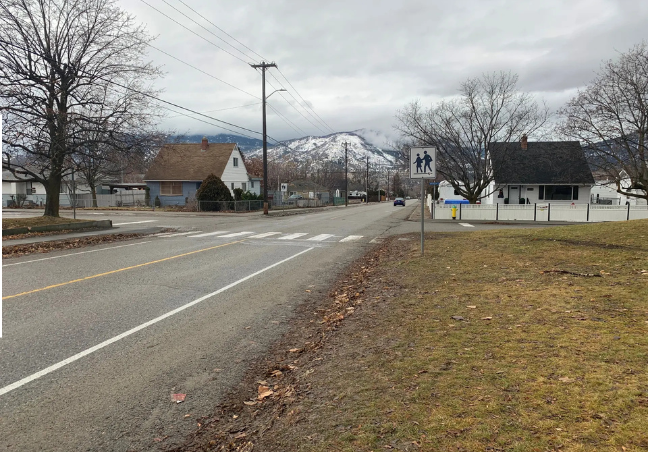
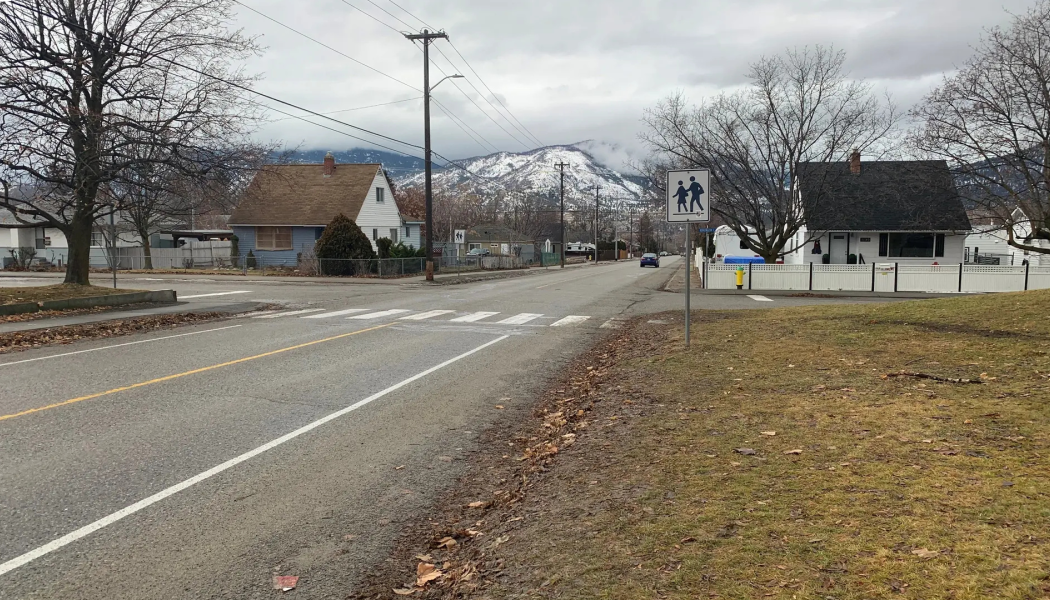
The challenge: The intersection close to the hospital area in Williams Lake is situated in one of the highest traffic areas of the community, between residential neighborhood and commercial zones. It’s along the main transit and school bus route to five education campuses. The intersection doesn’t have any infrastructure to make it safer for vulnerable road users to cross the road.
The solution: This project will install a solar-powered signalized crosswalk within the hospital area to make it safer for vulnerable road users to cross.
Check out more stories like this
Cottonwoods Care Centre coordinator Lia Sambrielaz has been sharing small acts of kindness at IH for 37 years.
/stories/we-are-ih-coordinator-motivated-help-long-term-care-clients
Our 9-part video series teaches about the purpose and importance of advance care planning (ACP) and why it gives peace of mind to you and your loved ones.
/stories/lets-talk-about-advance-care-planning-your-voice-your-choice
A funding initiative is helping the Cariboo Chilcotin Métis Association (CCMA) grow food security in ways that reflect knowledge, culture and community needs.
/stories/funding-helps-williams-lake-metis-community-support-food-security
Meghan Johnston became a registered psychiatric nurse after watching people struggle to navigate the health-care system and witnessing the barriers they faced.
/stories/we-are-ih-psychiatric-nurse-finds-meaning-crisis-team-role
Jasmine Mingaud found relief and stability after connecting with the Central Okanagan PCN where a team helped her manage chronic pain and life challenges.
/stories/how-primary-care-team-changed-one-womans-chronic-pain-journey
Behind every appointment, lab test and medical imaging test are a complex set of processes. A small but mighty team is transforming how that work gets done.
/stories/saving-time-improving-patient-care-intelligent-automation
STAY CONNECTED
Receive news, alerts, public service announcements and articles right to your inbox.