How to enjoy lakes, pools and rivers safely this summer
With the summer upon us and long weekends ahead, people are flocking to lakes, rivers, swimming pools and the ocean to cool off. The B.C. Interior is a popular vacation destination, which may account for why Shuswap and Okanagan Lakes are among the top three lakes in B.C. with the most drowning deaths.
“Water activities like swimming and boating can be a lot of fun and a great way to cool down, but drowning is a danger we all need to think about," says Mike Adams, team lead with Interior Health's Healthy Communities team.
“Drownings peak in the summer months, and can happen quickly and quietly, sometimes in less than a minute.”
On average, 78 people die in B.C. each year from drowning. The most common reasons for drowning deaths from 2013 to 2023 were boating, falling into the water and swimming. During that same time period, people 19–29 years old accounted for 20 per cent of deaths, and 80 per cent of all people who died were male.
Drowning is preventable. Here are four ways you can be water smart to keep you and your loved ones safe.
Wear a lifejacket during water activities

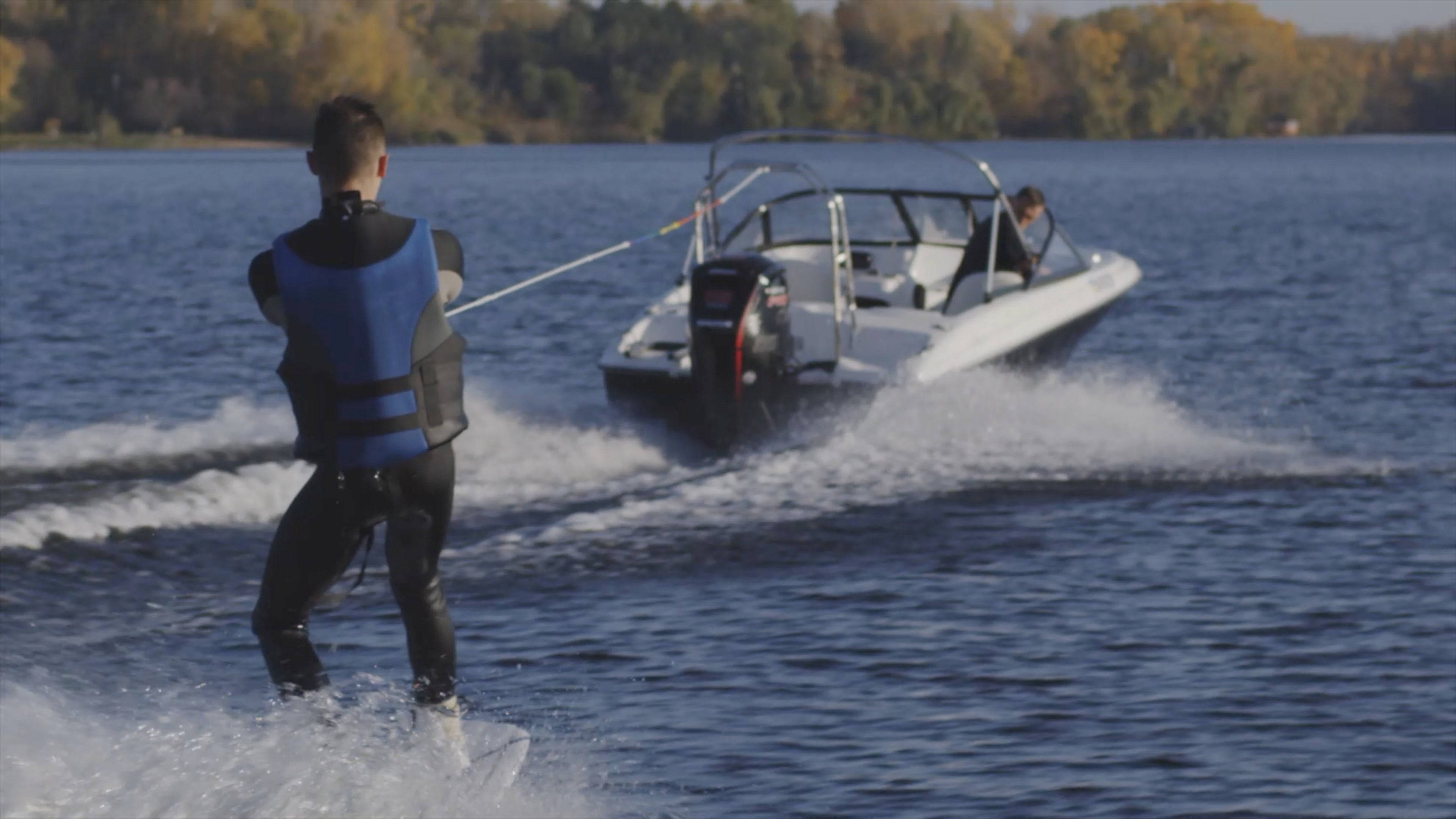
Wearing a properly fitted lifejacket or personal floatation device appropriate to the water activity is one of the best ways to prevent drowning. This includes boating, jet skiing, paddleboarding and kayaking.
According to a study by the Drowning Prevention Research Centre, more than 80 per cent of people who died in boating-related incidents were not wearing a personal floatation device or lifejacket.
Some feel a false sense of security because they are strong swimmers or because there’s a lifejacket within reach says the Lifesaving Society. But trying to put a lifejacket on before you capsize, or while in the water, is like trying to buckle your seatbelt right before your car crashes. It's impossible.
“It’s also really important for anyone around a backyard pool, a lake or river to wear a lifejacket if they don’t know how to swim,” says Mike.
Drinking, drugs and water activities don’t mix
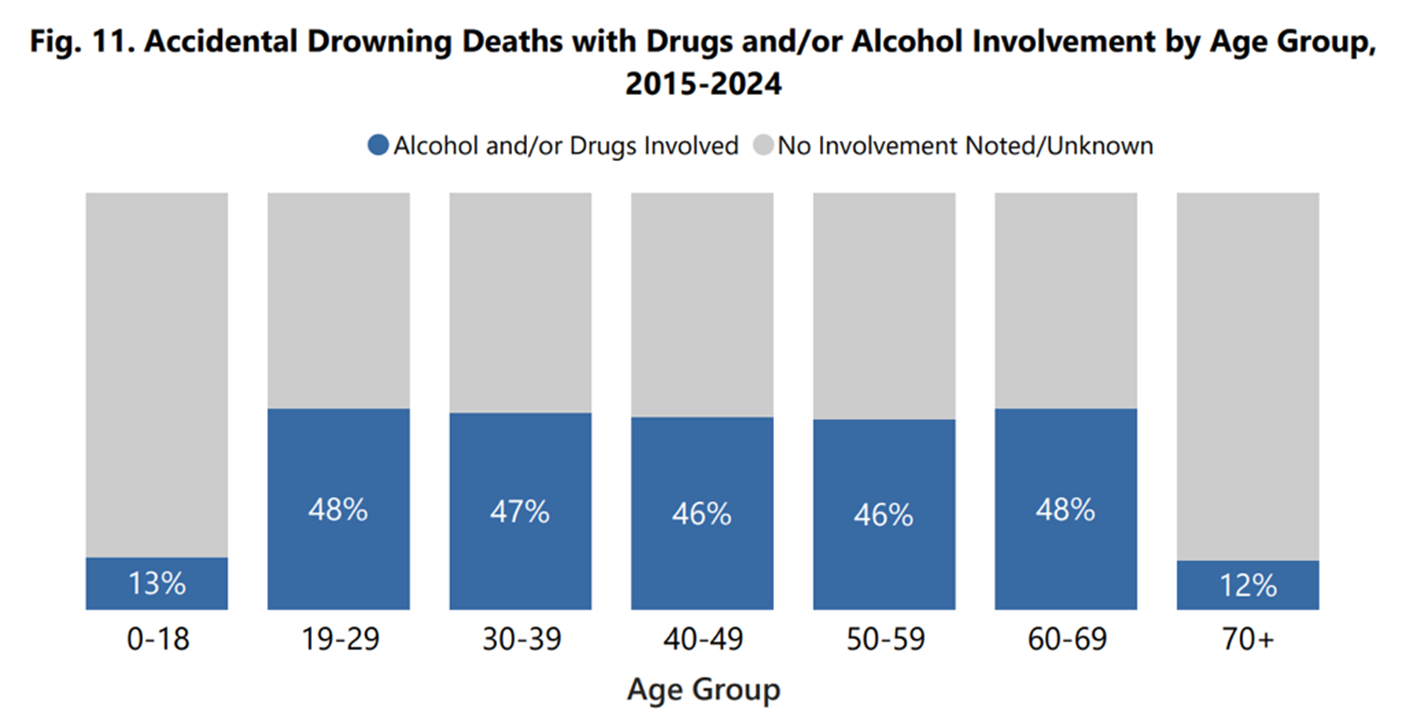
While wearing a lifejacket is critical, so is not consuming substances like alcohol or drugs while participating in water activities or operating a boat. When you’re on the water you can become impaired twice as fast as on land due to the motion of waves, the sun’s intensity and the effects of wind and glare.
“Mixing drinking and/or drugs with water activities can lead to impaired judgement and that’s where there’s an extra level of risk that can lead to more chances of drowning,” says Mike.
Around 40 per cent of drowning deaths involve alcohol or drugs. That number increased to 52 per cent among those aged 30-39 years old.
Keep children in sight
The Lifesaving Society has a saying that if you’re out of reach of your children, you’ve gone too far. It means if you’re at the beach or a pool, be right there with your toddlers and young children. According to the Society, 96 per cent of drowning deaths in children under five happen when there is little to no supervision.
“At a beach or pool, the most important thing is for parents that have young children is to keep them within arms’ reach,” notes Mike. “If they’re going near the water, position yourself near the water, so you’re easily able to respond if they were to fall in or even just have a tumble over.”
Children can drown in as little as 2.5 centimeters (one inch) of water, and drowning can happen quickly and quietly.
Know your limits and use the buddy system
Always swim with a buddy. Even if you’re a good swimmer, you can still find yourself in dangerous situations in the water—water that is deep, being too far from shore or becoming fatigued.
Hypothermia—when the body gets cold and loses heat faster than the body can make it—is a real risk when swimming outdoors. Even at the height of summer, most Canadian waters are below 20°C.
Water that’s considered warm (15–21°C) can still lead to hypothermia, though it might take two to three hours. In very cold water (10°C or colder), hypothermia can set in within 10–15 minutes. Very young children, older people and those taking medication or with medical conditions are most at risk.
More resources
- Drowning (Parachute Canada)
- Drowning prevention tips (BC Injury Research and Prevention Unit)
- Drowning Prevention & Aquatic Safety (Lifesaving Society BC & Yukon)
- Drowning: A silent killer - Canadian Red Cross
- Choosing Lifejackets and PFDs (Transport Canada)
- Office of Boating Safety (Transport Canada)
- Canadian Safe Boating Council – Boating Safety, Boater Education & Outreach
- Pool Fencing Laws (Parachute Canada)
July 20–26, 2025 is National Drowning Prevention Week in Canada, and July 25 marks World Drowning Prevention Day.
¹ Accidental Drowning Deaths 2013–2023 (BC Coroners Service)
Check out more stories like this
Tineke was the first policy specialist hired at IH. For two-plus years, she has helped organize many IH policies.
/stories/we-are-ih-policy-specialist-finds-joy-her-role
Recent regulatory changes are making it easier for U.S.-trained lab professionals to find a job in Canada. Attractive benefits make the move north enticing.
/stories/why-us-medical-lab-professionals-are-looking-work-canada
As a doula, Sage Thomas attended a home birth where the family integrated Indigenous ceremonial practices. She’s now practising midwifery in her home community.
/stories/tkemlups-te-secwepemc-grad-offers-midwifery-care-close-home
Thirty-five years into her career with IH, Elizabeth Adolph still loves what she does: taking care of residents at Mountain View Lodge in Lillooet.
/stories/we-are-ih-care-aide-proud-residents-consider-her-friend
In the 5 years since the In Plain Sight report was released, we’ve made strides towards being a culturally safe organization—but there’s more work to do.
/stories/ihs-fifth-plain-sight-response-supports-reconciliation
Inspired by her aunt’s career as a pharmacist, Angela became a pharmacy technician to use the hands-on aspect of compounding to benefit patient care.
/stories/we-are-ih-pharmacy-tech-enjoys-problem-solving-patients
STAY CONNECTED
Receive news, alerts, public service announcements and articles right to your inbox.