This is part one in a three-part series exploring the connection between housing and health in the Interior Health region.
In the interior of B.C., where winter can sometimes be unforgiving, the need for warmth goes far beyond temperature. It’s about dignity, safety and belonging.
For individuals who are unhoused or at risk, the cold season brings heightened vulnerability; not just to the elements, but to a range of health and emotional risks that are often invisible to the public eye.
The link between housing and health is undeniable. According to Public Health Ontario’s report on homelessness and health outcomes, people who rely on emergency shelters, winter response sites or outdoor spaces face higher risks of chronic illness, mental health challenges, substance-related harms and barriers to accessing care.
These risks aren’t about personal choices: they’re about circumstances, access and safety. Without stable housing, even basic health care becomes difficult to access.
Sarah’s story

Sarah, 35, is a daughter, sister and mother, and now a Kamloops resident. She has been housed and unhoused over many years and recalls her time living outdoors.
“For many years I never spent winter inside,” she says. “I ended up with severe frostbite on both my feet. Five toes went black my very first winter out.”
For her, and so many others, safety was a constant concern. Even when she tried to keep her outdoor space clean, stigma followed her everywhere.
“People expect you to just not exist anymore,” she says. “You could be living out of town, and even that’s not good enough. They’re not thinking about the fact that you also need to live.”
Basic needs became the entire focus of each day. “You cannot get ahead when each day is spent surviving.”
Sarah recalls her childhood was impacted early on as her parents divorced when she was five.
Now a mother to a teenaged daughter, Sarah thinks about how her time living outdoors shaped many areas in her life, relationships and survival.
Due to her inadequate housing, she was left with the decision to let her daughter live with her mother to keep her safe. “It felt like I ripped out my own heart and gave it away,” Sarah says. “But it was for the best.”
Outreach team as a lifeline
Sarah’s path toward sobriety began quietly, with an outreach nurse who showed up consistently, without pressure, and with genuine care.
“He was never pushy,” she says. “He just let me know what resources were available, and that if I ever wanted help, to let him know.”
In 2023, everything changed. Sarah was hospitalized with pneumonia. Her mother brought her daughter to visit. “She looked happy to see me alive,” Sarah remembers. “But she looked terrified to hug me. And it felt like I flipped a switch. I’m her mother. I’m supposed to protect her and not be the reason she feels that way.” That moment became her catalyst. She contacted the outreach nurse and said she was ready.
From that point forward, IH’s outreach team became her lifeline. Between two nurses (one now a counsellor), they helped her fill out treatment applications, submit paperwork, and stay connected to housing options and waitlists. When she was placed on the waitlist for a bed, they helped her complete the required daily check‑in calls.
“The female outreach nurse came to the hospital every day,” Sarah says. “She let me use her phone. After I got out, she still came to find me every day to make sure I made the call. They made me feel like I was worth it.”
Today, Sarah has been housed for two and a half years, and in recovery for the same amount of time. She continues to work closely with IH’s Mental Health and Substance Use services. She attends relapse prevention groups weekly, meets with her caseworker regularly, and receives support for medical needs, including funding and transportation for eye injections in Kelowna. “There’s just a lot of support I get from there now,” she says. “It’s huge for me.”
Sarah hopes her story helps humanize people who are unhoused or struggling with substance use. “These are real people trying to live their life,” she says. “We don’t get to deal with our problems when we’re outside. All we get to do is figure out basic needs.”

And her message to anyone who feels alone? “Talk to people. Reach out. Have hope because it’s there. Somebody will care. Somebody does care.”
Kendelle’s story

Born in Dawson Creek, Kendelle moved to Kelowna in 1998. That’s where her substance use began. She was just 15 when she first used, and by 16 she was unhoused for the first time.
After years of ups and downs, and different housing situations, there were only a few health services that helped Kendelle reach her goals. Those services not only acknowledged her experiences, but her culture and traditions, which has been integral to her current success.
The turning point for Kendelle was when she moved into *Xast WilxʷTn (hast wheel tin), an Indigenous sober living residence, which became a foundation for her recovery.
“They actually helped me stay sober,” she says. “They respect Indigenous culture. They bring in teachings. The staff are Indigenous. It gives a sense of belonging.”
Her cultural identity had been buried for years. Her mother, who passed away when she was seven, had survived Indian residential day school and the Sixties Scoop. The family suppressed much of their culture to survive.
Being in a space that honours Indigenous identity has been healing. “It gives me strength,” she says.
Respect for culture can be a turning point for many who have had generational traumas within their families. Kendelle’s story also highlights that circumstances leading to a person facing housing insecurities can sometimes begin in adolescence that carry forward throughout their lives.
Throughout Kendelle’s journey, IH services have played a steady role in keeping her connected to care. She completed a program at The Bridge about two years ago. During second‑stage housing, she worked with an alcohol and drug counsellor who continued seeing her even after she left the program.
“That made me feel so comfortable,” she says. “I could keep talking to the same person I’d built trust with.” She continues with alcohol and drug counselling today.
She has used The Bridge Detox Centre multiple times. “The Bridge was amazing,” she says. “The last time I went, they opened a place upstairs where you can stay while waiting for treatment. That was huge—I was homeless, so I stayed there until a bed opened.”
Today, she is not using any substances, and is housed, connected to culture, and surrounded by support. Xast WilxʷTn gives her stability. IH services gave her continuity of care. And she gives herself credit which is something she hasn’t always been able to do.
* Xast WilxʷTn (hast wheel tin): translates to “A Place to Get Better” in the nsyilxcen (language of the Okanagan peoples). The Xast WilxʷTn is a partnership program between Ki-Low-Na Friendship Society and PEOPLE peers providing short-term housing space for indigenous community members.
Kendelle shares this message. “Try to have patience. Don’t give up. Patience is the number one thing I’m still learning — but it eventually comes.”
Warmth for All at Cariboo Memorial Hospital

One shining example of IH’s commitment to providing services that can help people who are unhoused is the “Warmth for All” campaign at Cariboo Memorial Hospital (CMH) in Williams Lake.
Led by Kelly Dillon, director of Clinical Operations, and supported by the hospital’s Work on Wellness (WOW) committee, this initiative was born out of a simple but urgent need: to fill the gap left when a local knitting group could no longer provide hats for unhoused individuals arriving at the emergency department.
Kelly and her team didn’t hesitate. They rallied staff, volunteers and departments across CMH to collect gently used winter gear including coats, boots, mitts, sleeping bags, yoga mats and more. The response was overwhelming.
“We filled an entire office with donations,” Kelly shares, reflecting on the generosity of her colleagues. “Volunteers and managers have been great, with us working together on ways to increase morale, work as a team, and help our community.

The campaign ran from Oct. 27 to Nov. 21, 2025, with donation bins placed on every hospital floor and at Deni House. The overwhelming sentiment was about extending kindness, care and solidarity to those in their community who had limited access to resources.
Warmth for All reminds us that meaningful change often starts close to home—with people noticing a need and choosing to respond.
Whether through donating winter gear, supporting housing-connected health services, or simply seeing the person in front of us with empathy, each action helps build a healthier, more connected community.
Housing and health services offer lifeline
IH offers a range of services to help those who may have mental health, substance use or housing needs. Sometimes, it can be the littlest things actions make the biggest impacts— actions are rooted in humanity and hands-on care.
While IH doesn’t provide housing, it does recognize that someone’s living situation has a major impact on their health. Because of that, IH programs focus on improving access to care for people who are experiencing housing insecurity. IH collaborates with partners who address the housing side of the equation.
IH health services are grounded in cultural safety and client-centred care, ensuring that every person is treated with respect and compassion. There are a wide range of services available because we know that life isn’t one-size-fits-all. It’s complex, and nuanced, and each individual person has their own story.
Imagine wanting to make a major change in your life, being ready to get help, but not having a way to travel to the facilities that offer the services you need. There are endless obstacles, and IH works to address those with tangible solutions.
- You may have heard of substance use outreach services. This is a very hands-on and involved service that has outreach team members reach out to community members who may consider using helpful services and inform them face-to-face, through text or phone conversations, and right in the facilities. Their primary goal is to link people who use substances to the proper treatments that can support them and their immediate needs – with no judgement.
- Overdose Prevention and treatment are key. These services reduce the risk of fatal overdose, connect people to health supports, and offer a point of stability and human connection, especially for people who may not otherwise access the health system. Staff distribute naloxone kits, offer referrals to treatment, and provide a safe space for people who use substances to be monitored and supported. These services recognize that traditional appointments don’t work for everyone. Care is flexible, practical and focused on reducing barriers. This means addressing an urgent health concern, helping someone navigate housing supports, or simply building trust over time.
- MHSU Outreach Teams include Assertive Community Treatment Teams and Substance Use Outreach teams. Through team-based care approach, Outreach Teams can support you if you’re experiencing multiple complex needs and mental illness and/or substance concerns. IH teams provide you with client-directed care, assertive outreach and comprehensive, continuous service delivery that shows up like helping to manage housing or employment, and life-skill education.
Use the map or phone a shelter to find out how many beds are free and how late people can arrive. If a shelter doesn’t have a bed available, staff may assist with other options.
You can use the Find a Food Bank tool to search for a food bank in your community.
Search for Salvation Army locations and types of support you are looking for i.e. practical assistance, emergency shelter and housing supports.
Call 310-MHSU (6478) during business hours to access and navigate local mental health and substance use supports in IH. Free, confidential phone service for anyone looking for mental health and substance use support in IH.
A free and confidential service that connects people to helpful and vital resources in their community.
It can help with:
- Basic needs like food and shelter
- Mental health and addictions support
- Legal and financial assistance
- Support for seniors, newcomers
Check out more stories like this


Travel nurses Michaela and Nick moved from Ontario to B.C., finding careers, community and a new home in Coldstream.
/stories/2026-09-18/travel-nursing-brings-ontario-couple-new-home-coldstream
By sharing his story, Dave hopes others struggling with addiction understand that recovery is possible and that support is available.
/stories/2026-09-17/what-worked-me-daves-healing-journey-addiction
For IH, wildfire preparedness is shaped by years of experience, regular training, exercises, inventories and relationships with partners across the region.
/stories/2026-09-15/ih-prepares-wildfire-season-long-smoke-arrives
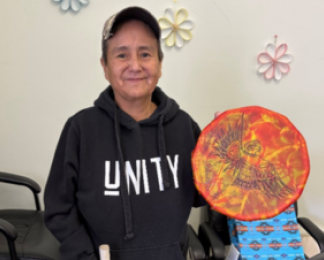
IH’s CMH redevelopment team travelled around Cariboo to reconnect with Indigenous communities and share how their input is shaping the hospital's new building.
/stories/2026-09-10/closing-circle-indigenous-communities-shaping-future-cmh
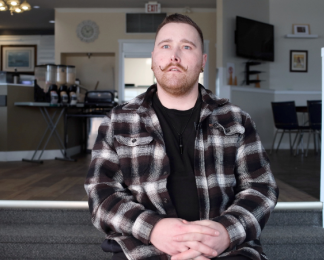
Chris Turner turned to addiction as a teenager, but through his recovery has become a mentor to give hope to others battling addiction.
/stories/2026-09-09/what-worked-me-chriss-focus-daily-skills-helps-recovery
Find tips for walking, biking or rolling to school safely. Learn how to make it safer to travel to school in your community.
/stories/2026-09-04/how-walk-bike-or-roll-school-safely
STAY CONNECTED