
As the weather cools down and flu season ramps up, taking a few extra precautions can make all the difference in staying healthy. Influenza and other respiratory illnesses spread easily, especially in workplaces, schools and health-care settings. With a little care and preparation, you can reduce your risk of getting sick or passing illness to others, so you can focus on what matters – like cozying up with a pumpkin spice latte.
Read on for five simple doctor approved tips to help you and those around you stay healthy this flu season.

1. Take your best shot at flu season
Get your flu shot - The best way to protect yourself and those around you is to get vaccinated against respiratory illnesses such as influenza and COVID-19. The influenza vaccine changes annually to match the most common circulating strains. It helps prevent infection and can reduce the severity of symptoms if you do get sick. Flu shots are widely available at pharmacies, clinics, and through many employers - and they’re publicly funded in B.C.
For those hesitant to get their flu shot, keep in mind that experts say you cannot get the flu from the vaccine.
Learn more about Respiratory Illness Immunizations
Get Immunized
2. Lather, rinse, repeat
Wash your hands regularly - Frequent handwashing is one of the most effective ways to stop the spread of germs. Wash with soap and warm water for at least 20 seconds — especially after coughing, sneezing, or touching shared surfaces. When soap and water aren’t available, use an alcohol-based hand sanitizer.
It’s also a good idea to regularly clean or disinfect high-touch surfaces at home. Examples include cell phones, doorknobs, remotes, and faucets.
3. Stop the spread before it starts
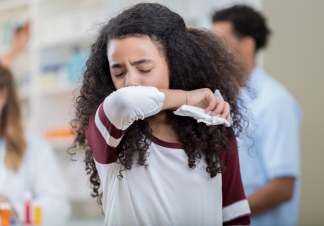
Cover your coughs and sneezes - When you sneeze or cough, droplets of saliva can circulate to the air. If other people breath in those droplets, they can catch your sickness. Use a tissue or cover your mouth when you cough or sneeze. Be sure to dispose of tissues right away and wash your hands afterward. If you don't have a tissue, turn away from people and cough into your shoulder or your sleeve. These simple steps help prevent droplets from spreading to others.
Remember: do not cover your coughs and sneezes with your hands and avoid touching your eyes, nose and mouth to stop the spread of germs.
4. When in doubt, rest it out
Stay home if you’re sick - If you develop flu-like symptoms such as fever, cough, sore throat or body aches, it’s important to rest and recover at home till symptoms reside. Staying home protects co-workers and others — especially people who may be more vulnerable to severe illness like older adults, small children, or people who suffer with chronic respiratory diseases.
5.Keep your immune system strong year round
Healthy habits go a long way in preventing illness - Getting enough sleep, eating a balanced diet rich in fruits and vegetables, staying active, and managing stress are all ways to prevent respiratory illness. Even small steps like staying hydrated and spending time outdoors can help your body stay resilient.
With a few simple steps and self-care, you can significantly reduce the effects of this flu season, allowing you to enjoy all the cool-weather festivities!
Check out more stories like this
Dr. Neil Crofts reflects on a career defined by leadership, service and a lasting commitment to the communities he served.
/stories/community-minded-physician-and-leader-leaves-lasting-mark
Returning home after an evacuation can be a relief. Depending on how long you've been gone, and the condition of your home, you may need to follow precautions.
/stories/returning-home-after-evacuation
Find out how to access the health care you need if you're living situation changes due to a wildfire
/stories/accessing-care-if-youre-evacuated-due-wildfire
Wildfires and natural disasters have many impacts on mental health and well-being. Here are some tips that can help with the stress from wildfire season.
/stories/how-take-care-your-mental-wellness-during-wildfire-season
Choosing to practice medicine in a small community in Canada wasn’t part of Babatunde’s original plan, but he’s glad he took the leap.
/stories/we-are-ih-cranbrook-doctor-finds-meaning-rural-bc-health-care
The IH Indigenous health & wellness podcast explores the intersection of health & culture in the workplace, everyday lives and patient care.
/stories/celebrating-interior-voices-podcast-75th-episode-launches
STAY CONNECTED
Receive news, alerts, public service announcements and articles right to your inbox.