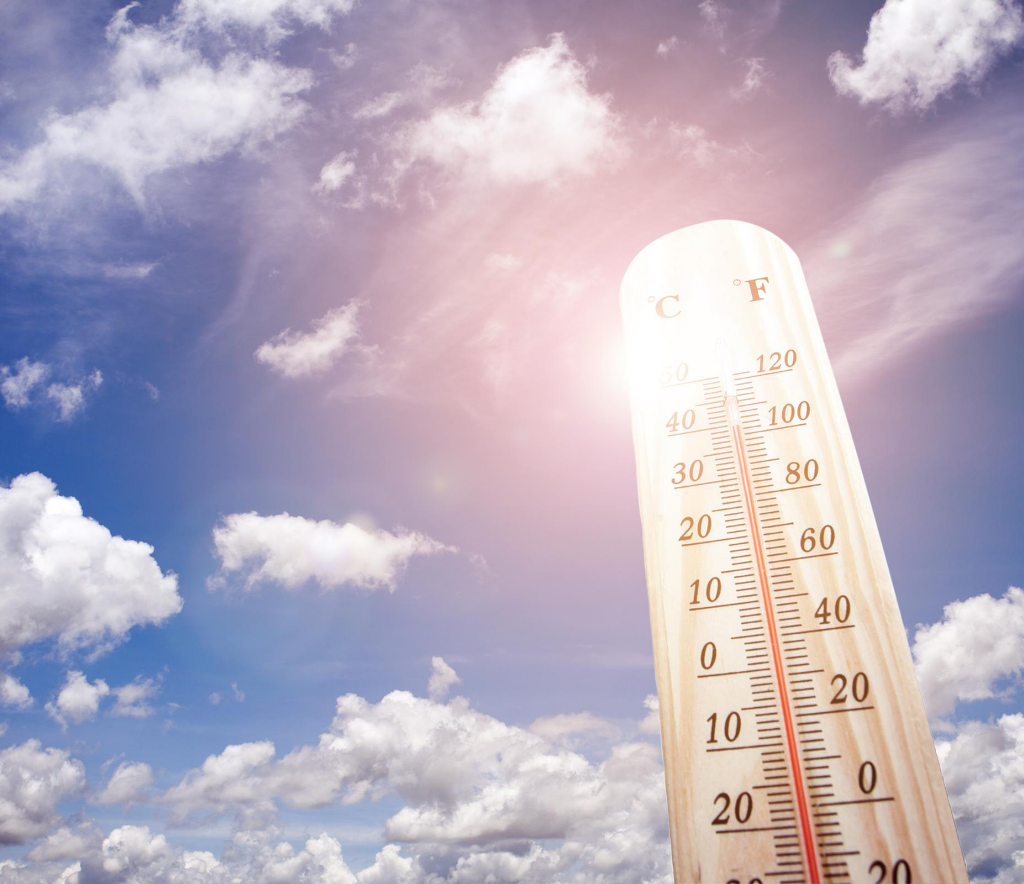
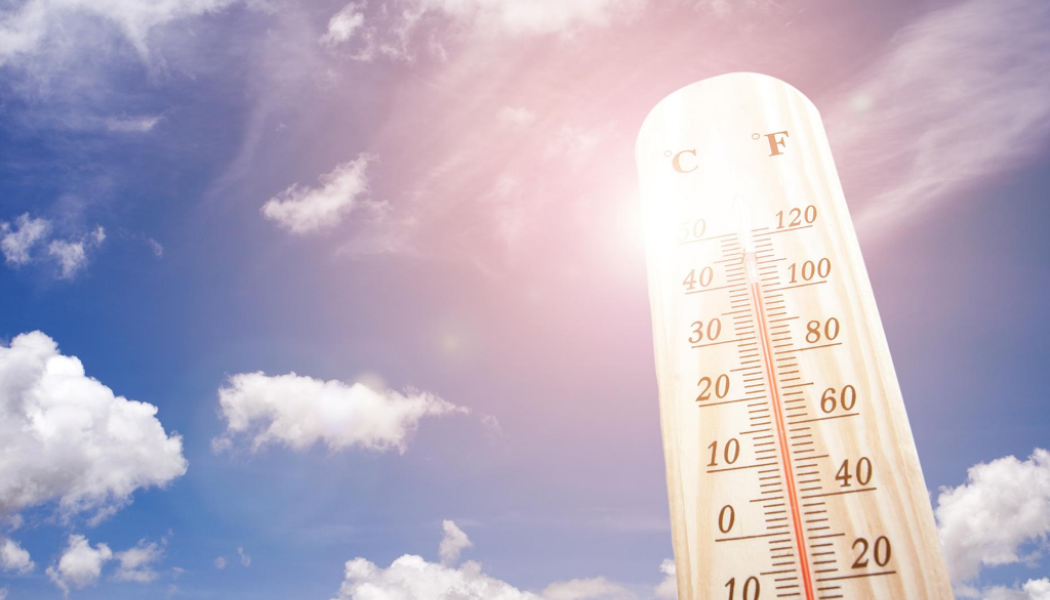
Temperatures within the Interior tend to soar mid-summer, when residents and visitors enjoy fun in the sun.
However, too much heat can be harmful to your health. Overheating can lead to weakness, disorientation and exhaustion. In severe cases, it may lead to heat stroke (also known as sunstroke). And heat stroke is a life-threatening medical emergency.
“I know we’re all busy taking precautions to prevent COVID, but in addition we need to stay safe from the heat."
Medical Health Officer Dr. Carol Fenton.
Here are some tips to keep you safe and healthy this summer.
10 Steps to avoid heat related illness
- Plan your outdoor activity before 11 a.m. or after 4 p.m., to avoid the most intense sun.
- Drink plenty of non-alcoholic fluids. Water is the best choice.
- Avoid physical work or exercise outside in the heat of the day.
- If you must work or exercise outside, drink two to four glasses of water each hour, even before you feel thirsty.
- Rest breaks are important and should be taken in the shade.
- Apply sunscreen to prevent sun burn, but remember this doesn’t protect from the heat.
- Stay in the shade, or create your own shade with lightweight, light-coloured, loose-fitting clothing, a wide brimmed hat, and/or an umbrella.
- If you’re struggling to keep cool, move indoors to an air-conditioned building or take a cool bath or shower. At temperatures above 30° C (86°F), fans alone may not be able to prevent heat-related illness.
- Never leave children or pets alone in a parked car. Temperatures can rise to 52° C (125° F) within 20minutes inside a vehicle when the outside temperature is 34° C (93° F). Leaving the car windows slightly open will not keep the inside of the vehicle at a safe temperature.
- Regularly check older adults, infants and children, those doing a lot of physical activity or working outside, and people with chronic disease or mental illness for signs of heat-related illness. Make sure they are keeping cool and drinking plenty of fluids. Check on those who are unable to leave their homes, and people whose judgment may be impaired.
The symptoms of heat-related illness can range from mild to severe. They include:
- pale, cool, moist skin (early stages); or red, hot, dry skin (in the late stages of heat stroke);
- heavy sweating;
- muscle cramps;
- rash;
- swelling, especially hands and feet;
- fatigue and weakness;
- dizziness and/or fainting;
- headache;
- nausea and/or vomiting;
- fever, particularly a core body temperature of 40° C (104° F) or more;
- confusion and decreased mental alertness;
- hallucinations;
- seizures; and
- unconsciousness/coma
When recognized early, most mild heat-related illnesses can be treated at home. Home treatment for mild heat exhaustion may include:
- moving to a cooler environment;
- drinking plenty of cool, non-alcoholic fluids;
- resting;
- taking a cool shower or bath; and
- wearing lightweight clothing
If your symptoms last longer than one hour, change, worsen or cause you concern, contact a health-care provider.
Resources
For more information on heat-related illness, visit the HealthLinkBC website or dial 811.
For local governments: Heat Alert Response System