How to walk, bike or roll to school safely

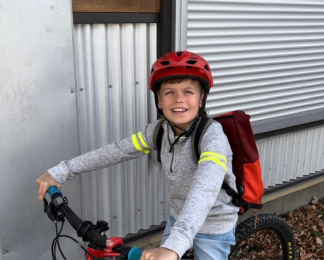
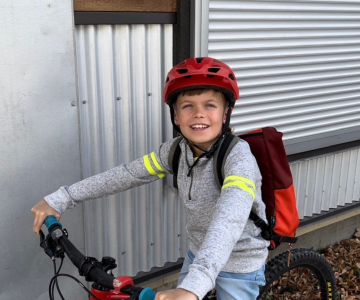
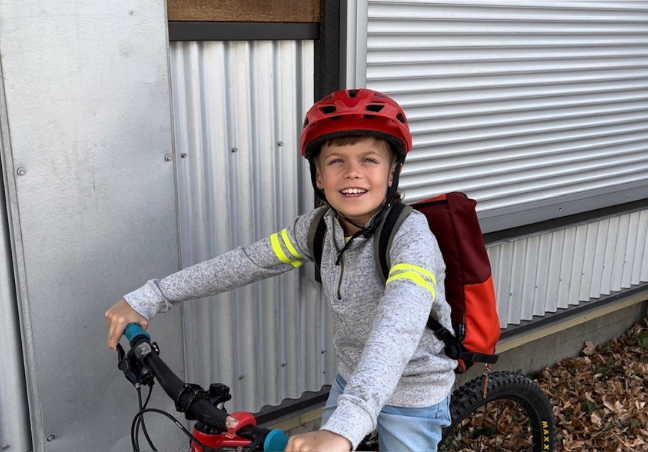
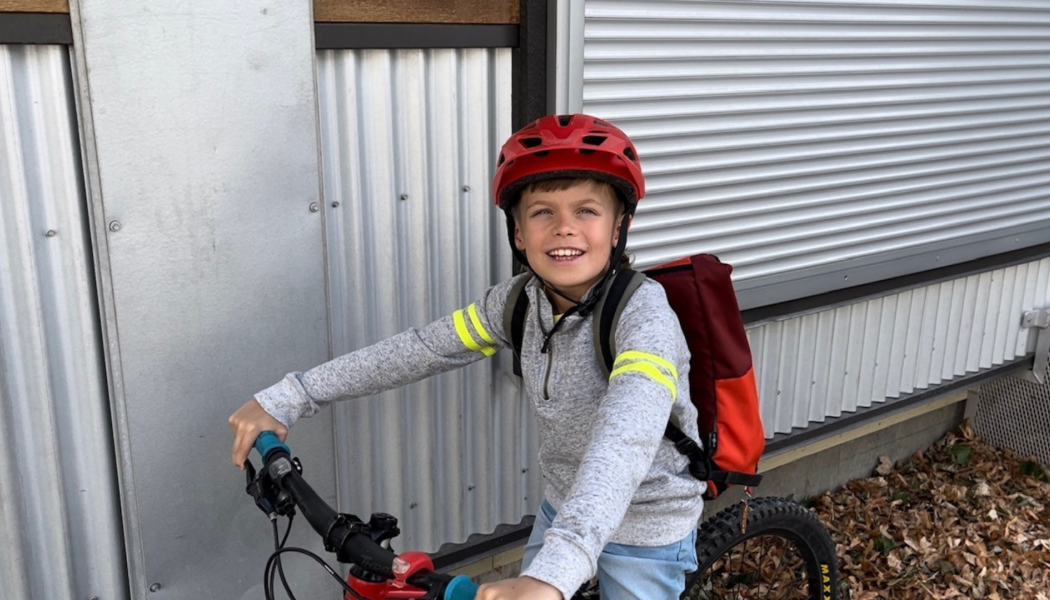
Eight-year-old Ethan gets ready to bike safely to school. Walking, biking or rolling to school benefits children's physical, mental and emotional health.

Next week, kids in B.C. are headed back to school. Leaving the car at home and choosing active ways to get to school is not only good for kids’ health, but lessens pollution and reduces vehicle congestion around schools.

Walking, biking, riding a scooter, skateboarding and even rollerblading/rollerskating are popular ways to get to school or work. A little planning ahead—and these safety reminders—can make sure your kids get to school safely.

“Planning how your child will get to school on foot, by bike or by scooter before the first day of school can help reduce the risk of injuries,” says Dr. Silvina Mema, deputy chief medical health officer for IH. “Practise walking or riding with your child to school while sharing safety reminders. Have everything ready the night before so you’re not rushing out the door.”


Stories@IH

Read our latest stories

7 Minute Read
Community & Culture

Dr. Neil Crofts reflects on a career defined by leadership, service and a lasting commitment to the communities he served.

7 Minute Read
Community & Culture, Health & Wellness

Returning home after an evacuation can be a relief. Depending on how long you've been gone, and the condition of your home, you may need to follow precautions.

2 Minute Read
Health & Wellness

Find out how to access the health care you need if you're living situation changes due to a wildfire

4 Minute Read
Health & Wellness

Wildfires and natural disasters have many impacts on mental health and well-being. Here are some tips that can help with the stress from wildfire season.

3 Minute Read
Community & Culture

Choosing to practice medicine in a small community in Canada wasn’t part of Babatunde’s original plan, but he’s glad he took the leap.

5 Minute Read
Community & Culture

The IH Indigenous health & wellness podcast explores the intersection of health & culture in the workplace, everyday lives and patient care.

STAY CONNECTED

Receive news, alerts, public service announcements and articles right to your inbox.

mail