Breadcrumb
An Overview of Blood Clots
Learn what blood clots are, how and why they form, and the differences between types of clots.
Overview of how blood clots form
Normally, your blood flows smoothly through veins and arteries, carrying oxygen and nutrients to the body. When you have an injury, your body uses blood-clotting factors to form a clot and stop bleeding. This is a healthy and protective process.
However sometimes blood clots can form inside a vein when they are not needed. This is when blood clots become a medical problem. These clots have the potential to:
- Stay in one place and block blood flow in that vein
- Grow larger over time, causing swelling and pain
- Break loose and travel through the bloodstream to other parts of the body
Because of these risks, it’s important to understand what clots are, why they form, and the signs and symptoms to recognize them early to begin preventative treatment.
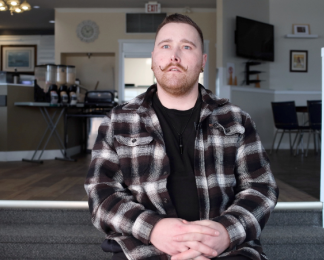
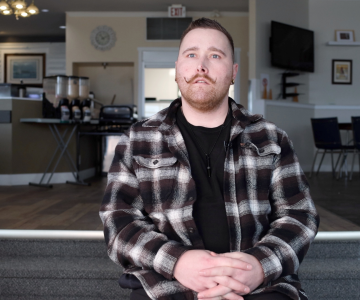
Watch the following video from Thrombosis Canada to learn more about blood clots:

Types of blood clots
- Deep vein thrombosis (DVT): A DVT is a blood clot that forms in a deep vein, usually in the leg or arm. It may cause pain, swelling, warmth, or redness in the affected area.
- Pulmonary embolism (PE): When a clot breaks loose and travels to the lungs and blocks blood flow. A PE can make it hard to breathe, create chest pain, and can be life-threatening.
How blood clots are different from a heart attack or stroke
Blood clots that cause a heart attack or stroke are different from those that cause blood clots called venous thromboembolism (VTE).
- Venous Thromboembolism (VTE): A blood clot forms in the veins (legs, arms, or lungs)
- Heart Attack: A blood clot blocks blood flow in the arteries of the heart
- Stroke: A blood clot blocks blood flow in the arteries of the brain
VTE clots are venous (veins), while heart attack and stroke clots are arterial (arteries), and the causes, risks, and treatments are different.
All clots are serious and need medical attention; it is important to recognize the signs and symptoms and seek help as soon as possible to prevent life-threatening complications and improve recovery outcomes.
Dr. Neil Crofts reflects on a career defined by leadership, service and a lasting commitment to the communities he served.
/stories/community-minded-physician-and-leader-leaves-lasting-mark
Returning home after an evacuation can be a relief. Depending on how long you've been gone, and the condition of your home, you may need to follow precautions.
/stories/returning-home-after-evacuation
Find out how to access the health care you need if you're living situation changes due to a wildfire
/stories/accessing-care-if-youre-evacuated-due-wildfire
Wildfires and natural disasters have many impacts on mental health and well-being. Here are some tips that can help with the stress from wildfire season.
/stories/how-take-care-your-mental-wellness-during-wildfire-season
Choosing to practice medicine in a small community in Canada wasn’t part of Babatunde’s original plan, but he’s glad he took the leap.
/stories/we-are-ih-cranbrook-doctor-finds-meaning-rural-bc-health-care
The IH Indigenous health & wellness podcast explores the intersection of health & culture in the workplace, everyday lives and patient care.
/stories/celebrating-interior-voices-podcast-75th-episode-launches
STAY CONNECTED
Receive news, alerts, public service announcements and articles right to your inbox.