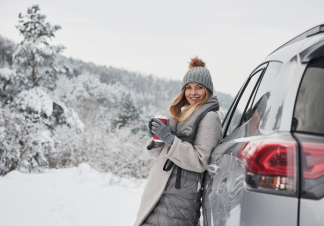
Winter weather is here. In B.C., you may start a trip in sunshine and then face stretches of slush, ice, heavy snowfall, or compact snow, all of which can make driving conditions unpredictable and hazardous.
Here are some steps you can take to make your road travel safer in the winter months.

Be travel ready
- Plan your route – Visit DriveBC.ca to check the current weather and road conditions and select the safest route. Tell someone where you're going and when you expect to arrive.
- Watch the temperature – Thawing temperatures during the day and freezing at night can lead to black ice and slippery conditions.
- Drive for the conditions – Speed limits are set for optimal conditions. Give yourself extra time, reduce your speed and follow at a safe distance.
- Slow down – Slushy, icy and snow-rutted roads can affect your ability to steer or stop. Avoid sudden movements by steering, accelerating and braking smoothly and slowly.
- Know what to do in case of emergency – If you become stuck or stranded, stay with your vehicle for safety and warmth. If you're able, pull off the road as far as possible. In an emergency dial 911.
Be sure your vehicle is travel ready
- Install winter tires – Winter tires with a three-peaked mountain/snowflake symbol provide better traction in snow, slush, and icy conditions. Winter tires are a requirement on B.C. highways from Oct. 1 to March 31 every year, and until April 30 on some routes.
- Clear your vehicle – Remove all snow and ice from the vehicle, including all windows, lights, mirrors, hood and the roof. Defrost all windows before heading out.
- Turn on your lights – Be visible by turning on headlights, taillights and fog lights if you have them. Daytime running lights are dimmer and aren’t as ideal in wintry conditions.
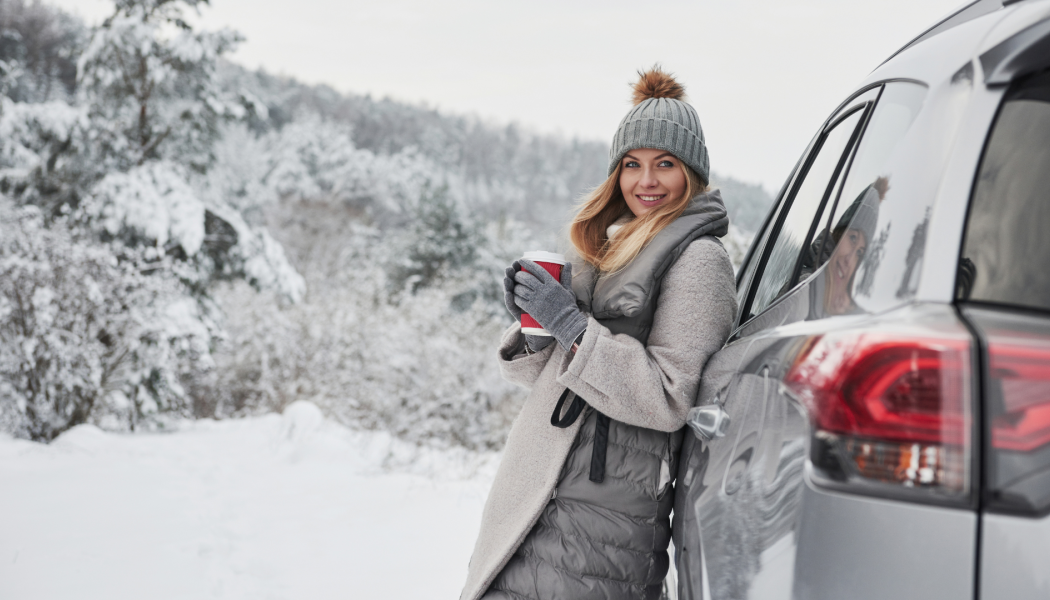
- Be prepared – Even though you’re inside a vehicle, dress for the weather (boots, jacket, toque, gloves). Carry a vehicle emergency kit. Keep your gas tank and windshield washer reservoir full.
If your activities involve drinking, plan ahead for a safe ride home
Winter driving is challenging enough. Driving in winter conditions requires you to be extra alert and aware. Alcohol impairs your judgement, impacts your vision, alters your depth perception, and slows down your reaction time.
If you plan to drink, plan ahead to get home safe. Use a designated driver, call a taxi or rideshare, or take transit. Don’t put yourself and others at risk.
Police winter road checks are in effect. If you’re caught drinking and driving, you’ll quickly discover B.C. has the toughest drinking and driving laws and among the highest fines in Canada.
Learn more
Visit ShiftIntoWinter.ca for more tips on ways to prepare yourself and your vehicle, and how to drive safely on winter roads.
Check out more stories like this
Travel nurses Michaela and Nick moved from Ontario to B.C., finding careers, community and a new home in Coldstream.
/stories/travel-nursing-brings-ontario-couple-new-home-coldstream
By sharing his story, Dave hopes others struggling with addiction understand that recovery is possible and that support is available.
/stories/what-worked-me-daves-healing-journey-addiction
For IH, wildfire preparedness is shaped by years of experience, regular training, exercises, inventories and relationships with partners across the region.
/stories/ih-prepares-wildfire-season-long-smoke-arrives
IH’s CMH redevelopment team travelled around Cariboo to reconnect with Indigenous communities and share how their input is shaping the hospital's new building.
/stories/closing-circle-indigenous-communities-shaping-future-cmh
Chris Turner turned to addiction as a teenager, but through his recovery has become a mentor to give hope to others battling addiction.
/stories/what-worked-me-chriss-focus-daily-skills-helps-recovery
Find tips for walking, biking or rolling to school safely. Learn how to make it safer to travel to school in your community.
/stories/how-walk-bike-or-roll-school-safely
STAY CONNECTED
Receive news, alerts, public service announcements and articles right to your inbox.