
This is part one in a three-part series exploring the connection between housing and health in the Interior Health region.
In Canada, access to safe, affordable housing is one of the strongest predictors of health. Research shows people without stable housing face additional health impacts and more barriers to care.
Although housing is both a basic need and a human right under international human rights law, many people - including people living in the Interior Health region - are without homes.
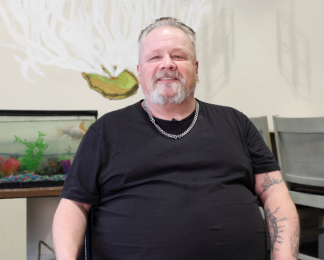
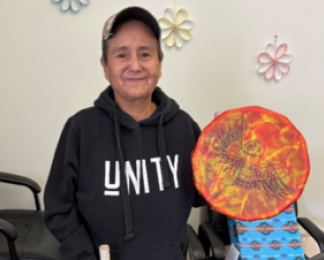
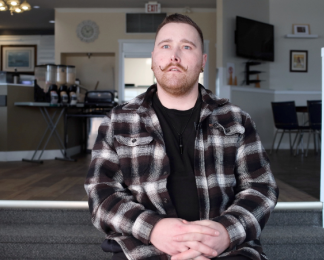
“Having a home is a basis for everything. Without it, it’s impossible to do anything … all you can do is survive,” says Shane, a resident at a Vernon supportive housing facility featured in a BC Housing video. “The public considers us dirty and bad. And like, everybody’s a criminal, and that’s not the case."

The connection between housing and health
Homelessness is a circumstance, not a character flaw. Rejecting stigma is the first step toward justice and compassion. Every person deserves respect, safety and opportunity regardless of their housing status.
The reasons a person becomes underhoused are complex, interconnected and are often no fault of the individual. In fact, homelessness can happen to anyone – and the stigma associated with not having a home can create unfair barriers to healthy living opportunities.
Individuals living without housing are often in survival mode, trying to meet basic needs that can turn into real life-or death outcomes. This includes securing food to eat, finding a safe place to sleep and trying to stay out of the elements.
Health and Housing Backgrounder and Case Study, 2019
Hidden homelessness describes a situation where a person lacks a stable or secure place to live but they’re not necessarily sleeping on the streets or in shelters. Instead, they may be living in their car or couch surfing. Both situations are considered unstable accommodations.
This form of homelessness is often "hidden" because these people don't always access housing supports, making them statistically invisible and undercounted.
Not only do people experiencing homelessness and hidden homelessness often have poorer physical outcomes, such as higher rates of infection, but they also can have mental health challenges or outcomes that can all lead to premature death.
As resident Jill says in the BC Housing video: “I don’t know that I’d ever be able to be who I am, and who I want to be if I wouldn’t have had a place to live.”
Healthy housing contributes to a sense of safety, greater social well-being and improved quality of life.
The upstream factors
Upstream factors that can influence someone’s housing circumstances include social, political, economic and environmental factors. These factors can affect everything downstream: from whether someone has a safe home, stable job or healthy food, to whether they can access care or avoid stressors that harm health.
Introduction to upstream thinking
By focusing on upstream factors, we can prevent harm and suffering and improve health and quality of life for everyone. These might include health public policies, housing policy and transportation.
People without homes are constantly experiencing stigma, prejudice and discrimination. Terms such as “bum” and even labels such as “homeless person” dehumanize the person behind the situation and takes away from individual identity. Negative stereotypes and stigma increase the shame of people living without homes; this, in turn, creates barriers to seeking help and further perpetuates poor health outcomes.
Systemic challenges trap people in cycles of homelessness
People can become trapped in cycles of homelessness, facing barriers that ripple across health, employment and social support systems.
These challenges do not affect everyone equally. Indigenous peoples, racialized communities, and other marginalized groups bear a disproportionate share of the burden. Homelessness isn’t a personal problem; it’s a systemic challenge demanding fair, lasting solutions.
Indigenous perspectives
In the Interior Region, Indigenous Peoples make up nearly one in 10 residents yet face housing insecurity at much higher rates. These inequities are rooted in colonialism — from intergenerational trauma and forced displacement to systemic discrimination that continues today.
Addressing Indigenous homelessness requires more than housing units; it means including Indigenous partners to support Indigenous rights, to lead Indigenous-specific discussions to present Indigenous-led solutions and ensure culturally safe practices.
The Truth and Reconciliation Commission’s Calls to Action, the Declaration on the Rights of Indigenous Peoples Act, and the In Plain Sight report all point toward this path. Culturally sensitive health, mental health, and addiction supports are key to understanding the traumas linked to addressing homelessness within First Nations, Mètis, and urban and away from home Indigenous Peoples living in the B.C. interior.
IH’s Health and Housing Program is working with First Nations, Métis communities, and Indigenous organizations to strengthen Indigenous voices in planning which includes: hospital discharge supports, creating Patient Navigator roles, and advancing Indigenous-led initiatives. These steps move us closer to housing solutions that restore dignity, improve health, and support reconciliation.
Ending Indigenous homelessness means facing hard truths. For Indigenous Peoples, homelessness is not just about a lack of housing—it is a legacy of the effects of institutionalized governance, forced displacement, and intergenerational trauma. Solutions must be holistic, rights-based, and led by Indigenous communities themselves, centering their voices, sovereignty, and healing.
Moving forward: A human rights approach
The importance of proper housing is recognized and protected under the International Covenant of Economic, Social and Cultural Rights (1966) and expressed in the Universal Declaration of Human Rights (1948). The right to adequate housing means the right to housing that is affordable, habitable, accessible and culturally adequate and in a location that allows for access to services, infrastructure, education and employment.
In 2019, the Federal Government recognized housing as a right when it released the National Housing Strategy, which declared housing "essential to the inherent dignity and well-being of the person."
Since then, major shifts have been creating momentum for more action from governing bodies regarding housing insecurities.
Health care’s role in addressing housing
IH’s Health & Housing Program Plan aims to improve health-care access and services for individuals using shelters, experiencing housing insecurity or precarious housing, and those living outdoors.
The plan focuses on key determinants of health: influencing public policy with data, community and partner capacity building, reducing stigma, and enhancing health equity and access to care.
Through focussing on the key priorities, IH’s Health & Housing team expects to increase awareness of how housing affordability and health outcomes are interconnected.
Ensuring housing as a human right is more than a policy goal; it is a commitment to health, dignity and equity to build a future where everyone has a safe place to call home.
Learn more
- Health & Housing Infographic _Page 1 (interiorhealth.ca)
- Substance Use & Addiction Services | Health & Wellness | IH (interiorhealth.ca)
- BC Housing video – My Place Supportive Housing in Vernon BC
- BC Housing Podcast
- Health & Housing background and case study
- Truth and Reconciliation Commission (TRC)
- Declaration on the Rights of Indigenous Peoples Act (DRIPA)
- In Plain Sight Report
Check out more stories like this
Inspired by the strength and openness needed to care for families during one of life’s most transformative moments, Rachel pursued a career in health care.
/stories/we-are-ih-midwifes-journey-care
Hantavirus is a rare but serious disease caused by inhaling hantaviruses in old rodent droppings or urine. Learn how to protect yourself while cleaning.
/stories/cleaning-shed-attic-cabin-or-barn-protect-against-hantavirus
Living well at home as you grow older is possible with some forethought and planning. Explore IH services and community resources that support you in your home.
/stories/how-live-well-home-well-your-senior-years
Two new modular homes have arrived at Sunnybank Retirement Centre, marking a major step in the Town of Oliver’s Housing for Healthcare Workers Initiative.
/stories/new-modular-homes-oliver-support-health-care-workers
When Dr. Elena Schroeder decided to pursue medicine, her goal was to always learn and grow. Today, she’s a leader helping shape the future of health care.
/stories/we-are-ih-cranbrook-hospitalist-continues-learn-and-grow
If you’re concerned about your child’s communication skills, the earlier they see a speech-language pathologist, the better the outcomes—and it’s free.
/stories/your-child-never-too-young-see-speech-language-expert
STAY CONNECTED
Receive news, alerts, public service announcements and articles right to your inbox.