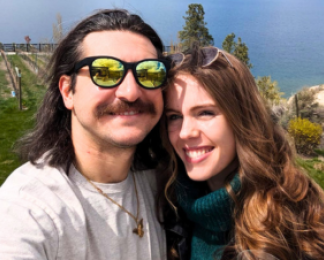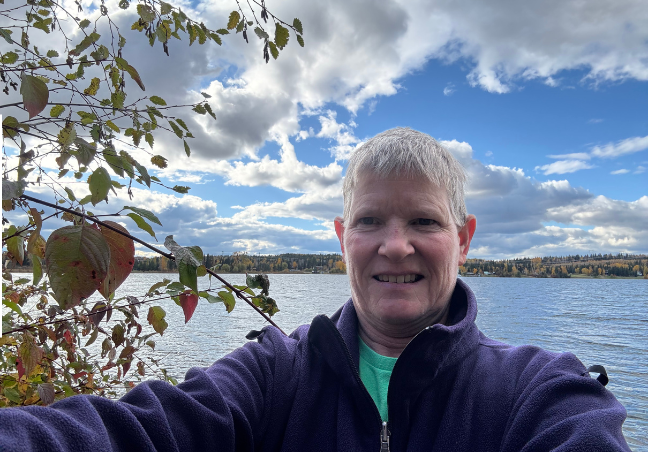
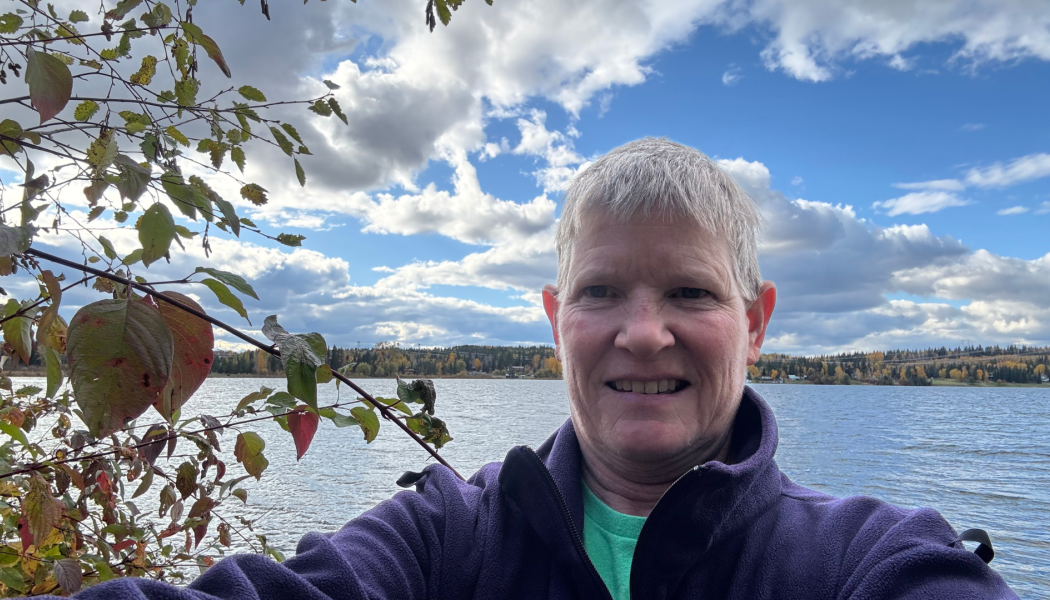
For Stasia Ruskie, the journey from the United States to Canada wasn’t part of a long-term plan—at least, not at first.
“I had been planning to spend a summer in Alaska,” she says. “And I kept seeing B.C. health career ads in my Facebook feed, and that got me thinking.”
And, just like that, what started as a travel plan quickly became something more permanent.
Eager to move north
Having always wanted to explore British Columbia, the decision to ‘stay north’ and continue her nursing career in Canada felt like an exciting next step.
With support from Health Match BC, Stasia began navigating the process of relocating: selling her belongings, submitting documentation and applying for registration through the BC College of Nurses and Midwives.
When asked about any challenges she faced during the application process, Stasia noted the volume of applications from internationally-educated health professionals eager to explore opportunities in B.C.
“I was so eager to get moving,” she recalls. “And clearly I wasn’t the only one!”
Thinking back on her journey, Stasia shares how she felt welcomed at Interior Health (IH) right from the start.
“I’d had some roadblocks with other applications,” she shares. “But IH made it clear immediately that they really valued both my recent experience and my PhD.”
After interviewing for a role in Williams Lake—what she calls “the perfect job”—she received an offer the very next day, solidifying her decision to make the move to B.C.
Supporting evacuees in a close-knit community
Even before her official start date with IH, Stasia was already finding her place in the community.
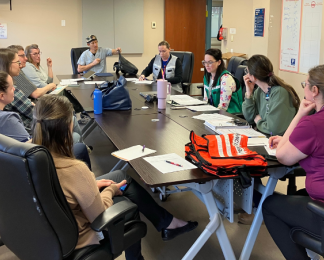
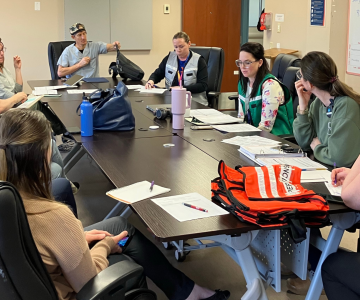
When she arrived in early September, wildfire evacuations were underway across the region. Drawing on her background as a wildland firefighter and her PhD in disaster preparedness, she connected with a local Emergency Support Services (ESS) team and spent the next two weeks assisting with evacuation efforts.
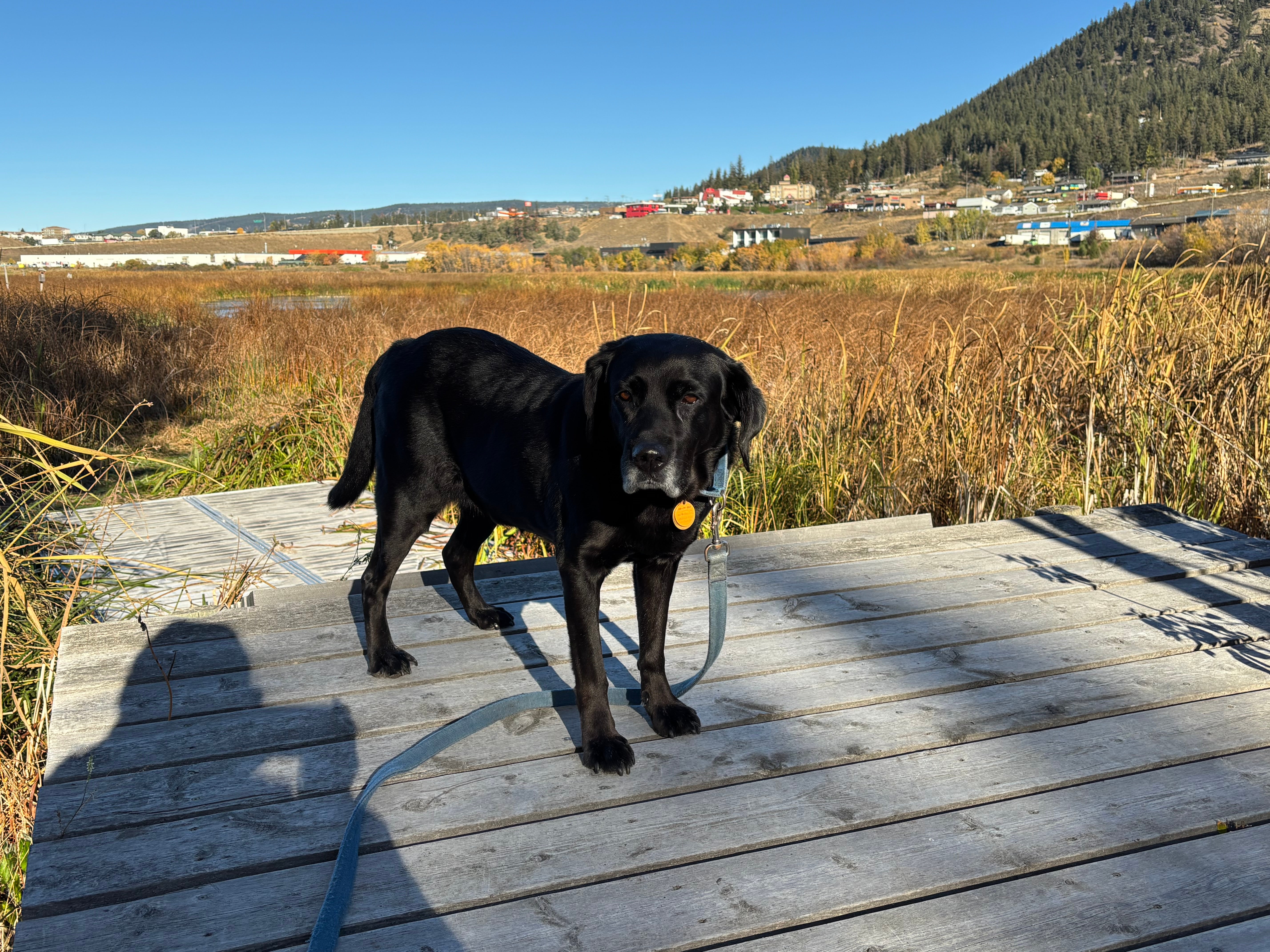
By her side was her dog, Mira, who quickly became something of a therapy dog, a source of comfort and joy for both those working and those impacted.
Together, they supported many evacuees during a time of uncertainty, while also forming Stasia’s first connections in Williams Lake, including meeting members of IH’s mental health team who would soon become her colleagues.
Those early days offered a glimpse into what her new life in Williams Lake would look like: a close-knit Cariboo community where people show up for one another, especially in times of need.
“Nurses can just nurse” in Canada
Now settled into her new home, Stasia has found both professional fulfillment and a different—but very welcome—rhythm to her day-to-day life.
One of the most noticeable shifts she’s experienced so far has been in how care is delivered in B.C. compared to the U.S.
“There are huge differences between the two,” she says. “Canadians aren’t stressed about how to pay for their health care. Nurses can just nurse, without having to worry about navigating things like insurance restrictions.”
The ability to focus more fully on patient care is something many U.S.-trained professionals find both refreshing and meaningful. The reduced administrative burden and greater accessibility for patients can create a more supportive, effective environment for both those receiving and delivering care.
“It’s so much less stressful to work here,” she says, smiling. “I say to anybody who may be considering a similar move. Two words: Do it.”