Explore Stories
Community & Culture
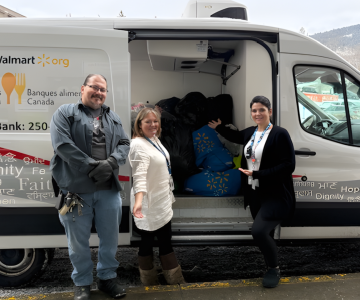
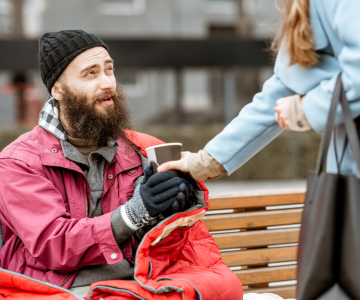
This is part one in a three-part series exploring the connection between housing and health in the Interior Health region. In the interior of B.C., where winter can sometimes be unforgiving, the need for warmth goes far beyond temperature. It’s about dignity, safety and belonging. For individuals who are unhoused or at risk, the cold season brings heightened vulnerability; not just to the elements, but to a range of health and emotional risks that are often invisible to the public eye. The link between housing and health is undeniable. According to Public Health Ontario’s report on homelessness and health outcomes, people who rely on emergency shelters, winter response sites or outdoor spaces face higher risks of chronic illness, mental health challenges, substance-related harms and barriers to accessing care. These risks aren’t about personal choices: they’re about circumstances, access and safety. Without stable housing, even basic health care becomes difficult to access.
Community & Culture
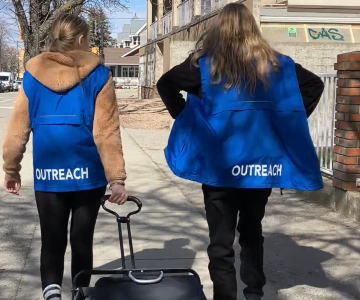
This is part one in a three-part series exploring the connection between housing and health in the Interior Health region. In Canada, access to safe, affordable housing is one of the strongest predictors of health. Research shows people without stable housing face additional health impacts and more barriers to care. Although housing is both a basic need and a human right under international human rights law, many people - including people living in the Interior Health region - are without homes. “Having a home is a basis for everything. Without it, it’s impossible to do anything … all you can do is survive,” says Shane, a resident at a Vernon supportive housing facility featured in a BC Housing video. “The public considers us dirty and bad. And like, everybody’s a criminal, and that’s not the case."
  • Showing 2 of 2

Sign up for email updates

Receive news, alerts, public service announcements and articles right to your inbox.

mail