Get help with alcohol use in the privacy of your home
The Interior region is home to many local wineries, breweries, cideries and distilleries—but is also home to some of the highest drinking rates in the province.
If you find yourself uncomfortable with your relationship to alcohol, we offer a detox program that can be done discreetly from your own home.
Alcohol detox outside a hospital or clinic
Interior Health launched the Outpatient Withdrawal Management program in 2022 to support people to detox from alcohol use in their home. The service is currently available in Kamloops, Kelowna, Vernon and Penticton.
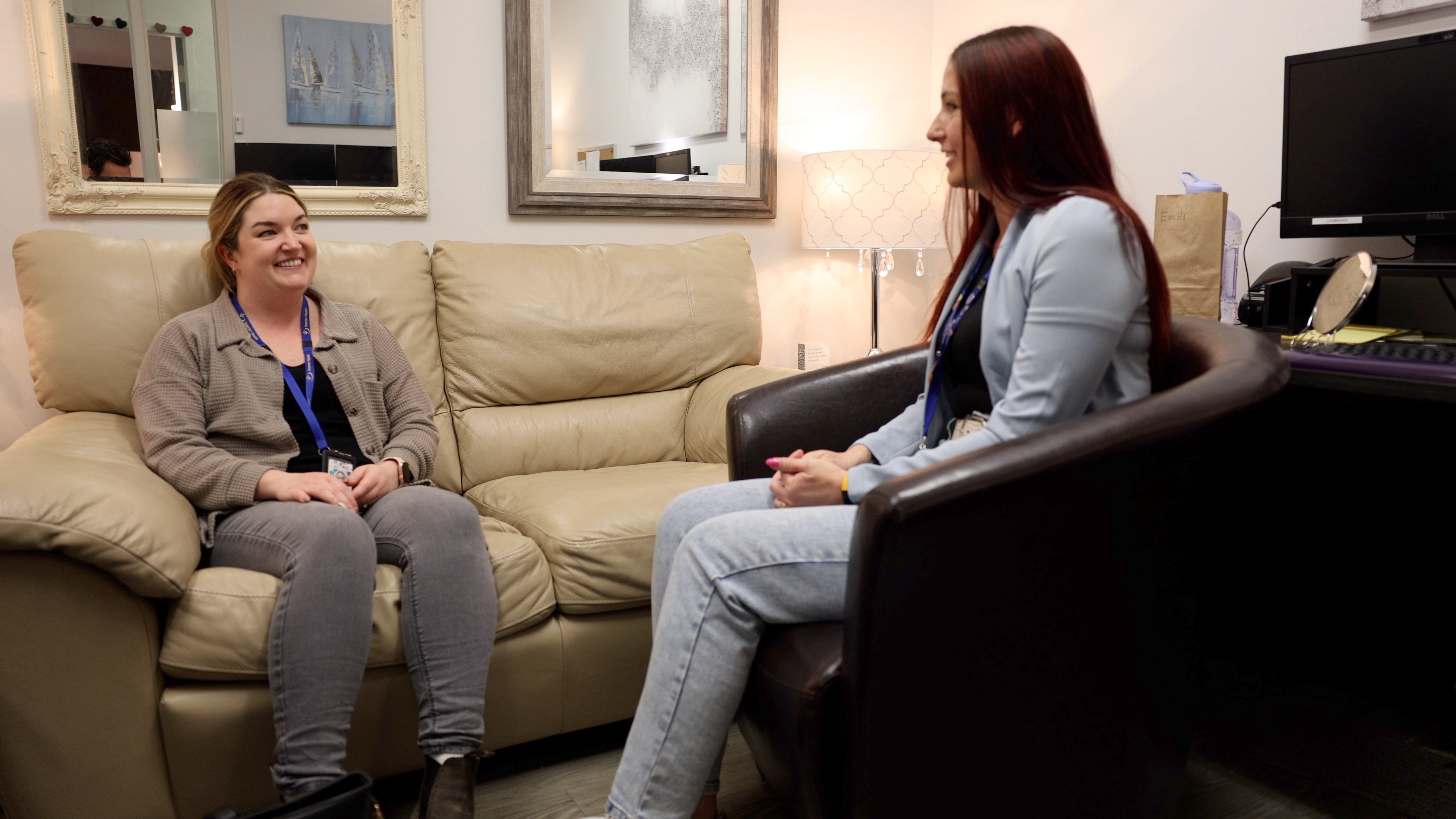
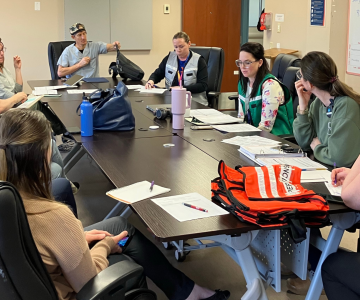
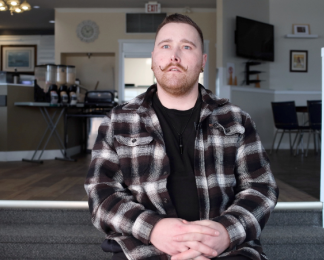
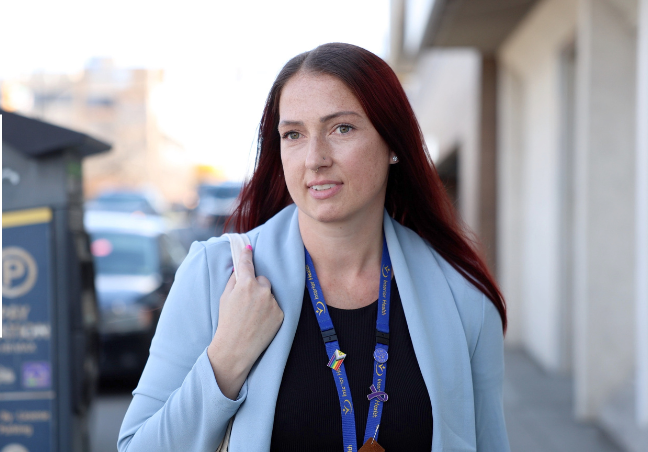
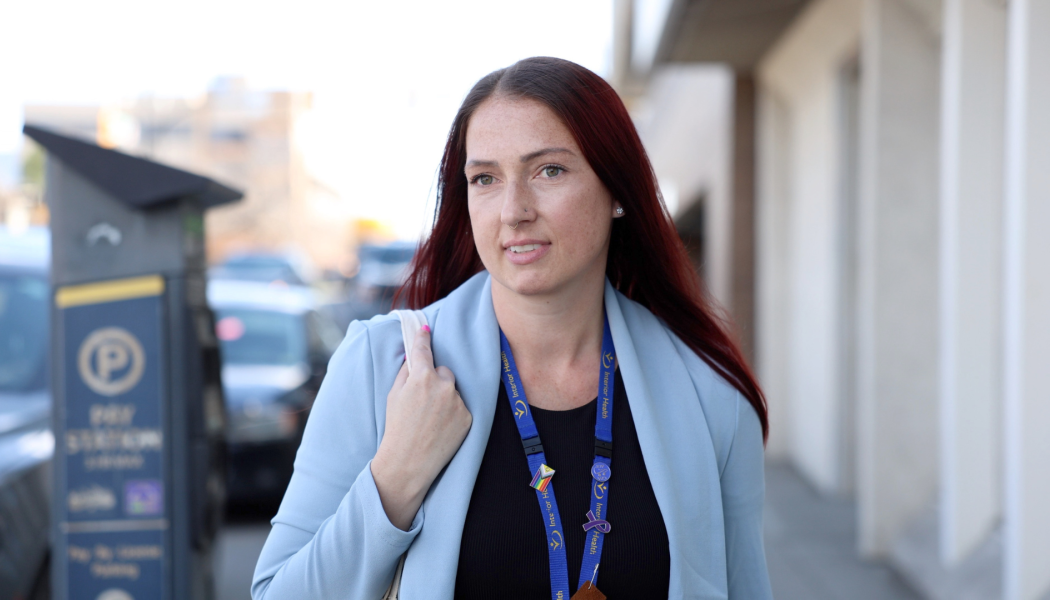
Heather Carrell is a registered psychiatric nurse (RPN) in Kamloops and has been part of the Outpatient Withdrawal Management team since it began in 2022.
“We know there can be many barriers for people to access detox programs through the hospital or other in-patient centres,” says Heather.
“People can feel judged about their drinking and don’t want anyone to know how much they are struggling with alcohol use,” she says.
Alcohol use disorder is a medical condition and one that requires medical treatment. It can be dangerous for people with serious alcohol use disorder to go through detox without medical supervision.
I want people to know this is a discreet service that can be done from the comfort of your own home. Anyone can give our team a call to see if this program is the right fit for you or your loved one. We’ll support you through the whole process.
Meeting people where they’re at
As an RPN, Heather supports people in the program while they are going through withdrawal (around 48-72 hours). For another six weeks, Heather provides support to prevent relapse. The goal by the time people have completed the program, is that they feel stable and are at a point where they can manage their relationship with alcohol.
“Whatever your goals are when it comes to alcohol use, we can help you,” said Heather. “Whether it’s complete abstinence or reducing your alcohol use, we work with you to develop a care plan that meets your individual needs.”
To enrol in the Outpatient Withdrawal Management program, you can reach out to Interior Health by calling 310-MHSU (6478). A nurse speaks with you for an assessment and screening. If you meet the program requirements, you’re connected to a virtual physician who is part of the Virtual Addiction Medicine clinic.
You can also self-refer (no need for a doctor or nurse practitioner to refer you), and even inquire about getting help for a friend or loved one.
Those who benefit from outpatient alcohol withdrawal management:
- Want to withdraw from alcohol and need support to do so safely
- Have access to safe housing
- Have a support person for the first 72 hours of planned withdrawal
- Have access to a phone
- Have well-managed chronic health conditions (e.g., type 2 diabetes)
If you don’t meet these criteria, there are other options available. We can connect you to the appropriate service to meet your needs.
People who have benefited from the program are of all genders, a range of ages (16+) and socio-economic statuses.
“Our door is open, and I encourage anyone who is questioning their relationship with alcohol to give us a call and speak to us,” said Heather.
Valuable support of Peers leads to greater success
Peers—people with lived or living experience—are also part of the Outpatient Withdrawal Management team, and they meet with clients to support relapse prevention. As someone who has gone through the withdrawal management program, Peers are able to provide advice and support to those currently going through the program, setting them up for success.
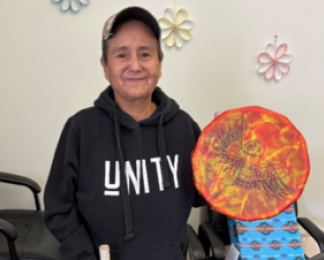
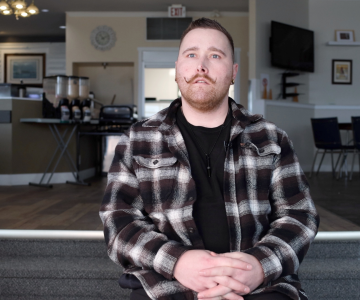
“I previously tried to detox on my own without any medical help and experienced pretty much all of the potential withdrawal symptoms,” says Anne, a Peer with the Outpatient Withdrawal Management program in Kamloops. “Being able to do the program in the comfort and privacy of my own home with my mom and my dog by my side was a major factor in my decision to safely detox.”
Peers can relate to the experiences and emotions the client is having and are able to answer any questions and provide tips that helped them through the detox process.
“I’m here to listen and if it's helpful to the client, share some of what has worked for me,” adds Anne. “It’s a huge step for someone to consider going into detox and Peers are here to help. Thanks to my experience going through the program, I’m able to answer their questions and help ease their mind so they can achieve their recovery goals.”
For people entering the detox program, Anne offers this advice: “I tell people to be gentle with themselves and to allow time to heal. This is a physically and emotionally exhausting time, but you’re doing this for a healthier way of living.”
We know that some people may be nervous about reaching out to professionals for help and may not want people in their network knowing they are going through detox. As a discreet service, the team works with you to meet your needs to be successful in the program.
For immediate help
If you’re experiencing feelings of hopelessness or thoughts of self-harm, you can call one of these numbers 24 hours a day, seven days a week including holidays, or visit your nearest emergency department:
- Interior Crisis Line Network: 1-888-353-2273 or 1-800-784-2433
- KUU-US (Indigenous) Crisis Line: 1-800-588-8717
- Métis Crisis Line: 1-833-638-4722
- Suicide Crisis Helpline - 988
For more information and to access other MHSU services, call 310-MHSU (6478) to be connected to a Mental Health and Substance Use team member in the office nearest you.
Other information and supports for alcohol use
Check out more stories like this
Cottonwoods Care Centre coordinator Lia Sambrielaz has been sharing small acts of kindness at IH for 37 years.
/stories/we-are-ih-coordinator-motivated-help-long-term-care-clients
Our 9-part video series teaches about the purpose and importance of advance care planning (ACP) and why it gives peace of mind to you and your loved ones.
/stories/lets-talk-about-advance-care-planning-your-voice-your-choice
A funding initiative is helping the Cariboo Chilcotin Métis Association (CCMA) grow food security in ways that reflect knowledge, culture and community needs.
/stories/funding-helps-williams-lake-metis-community-support-food-security
Meghan Johnston became a registered psychiatric nurse after watching people struggle to navigate the health-care system and witnessing the barriers they faced.
/stories/we-are-ih-psychiatric-nurse-finds-meaning-crisis-team-role
Jasmine Mingaud found relief and stability after connecting with the Central Okanagan PCN where a team helped her manage chronic pain and life challenges.
/stories/how-primary-care-team-changed-one-womans-chronic-pain-journey
Behind every appointment, lab test and medical imaging test are a complex set of processes. A small but mighty team is transforming how that work gets done.
/stories/saving-time-improving-patient-care-intelligent-automation
STAY CONNECTED
Receive news, alerts, public service announcements and articles right to your inbox.