What you need to know about bats and rabies
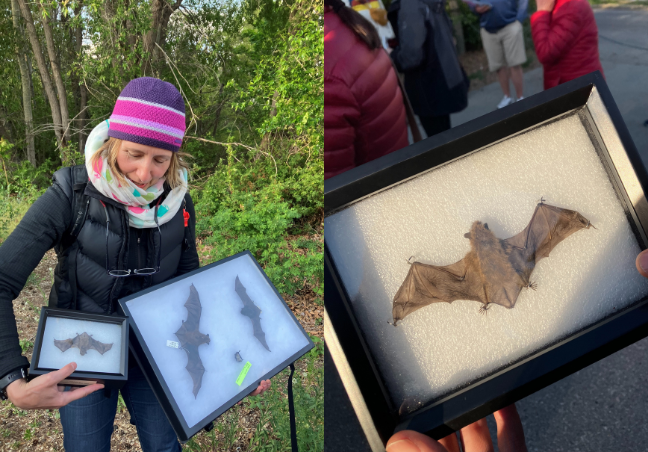
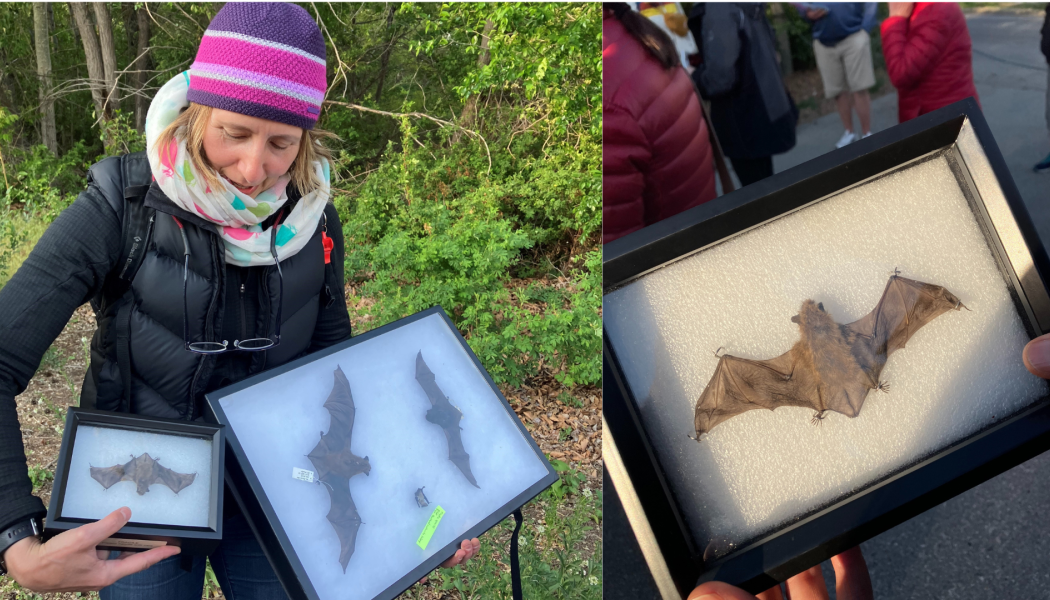
Bats play an essential role in B.C.'s ecosystem, providing natural pest control and plant pollination.
Bats can also carry diseases that can be transmitted to humans, including rabies. In B.C., bats are the only known “reservoirs” of rabies, meaning they can carry the disease and pass it on without showing signs of the disease themselves.
Warm-blooded animals like skunks, raccoons and foxes, and pets (dogs and cats) can also carry rabies, but cases are extremely rare in our province.

If you suspect you’ve come into contact with a bat
If you suspect:
- You’ve been bitten by a bat
- You’ve been scratched by a bat
- A bat touched your body, even through clothing
Thoroughly wash the area with soap and water for at least 15 minutes. Contact your local public health authority or primary care provider immediately or go to the emergency department.
Treatment, which usually includes four vaccines over a two-week period, should be administered as soon as possible after exposure to prevent rabies.
How to protect yourself from contact with bats
- Do not touch live or dead bats. Talk to your children about not touching bats lying on the ground as these creatures may be potentially sick.
- Bat proof your home to ensure bats cannot enter our living space. Keep doors and windows closed, make sure window screens don’t have any holes, and keep attic vents properly screened and openings closed. Ensure soffits under your roof eaves don’t have holes or openings.
- Be careful when opening power sunscreens or awnings. Bats may be roosting in the power box or casing and can get squished when the screen is rolled up or down.
- Avoid locations where bats are likely to be found (e.g. caves).
- Vaccinate your pets against rabies.
What do I do if there is a bat in my home or a building?
- If you find a live bat in a room of your home, open the window and close interior doors until the bat leaves. Do not try to catch the bat.
- If you have bats in your house, barn or property, please contact BC Community Bat Programs. Note that bats are protected under the BC Wildlife Act.
- If you find bats living in a building, learn how to evict them safely.
- If you find a dead bat in your yard between Nov. 1 and May 31, and you are sure that there has been no human or pet contact, you can contact the BC Community Bat Program at 1-855-9BC-BATS (1-855-922-2287) to ask if they need to collect it for wildlife health surveillance purposes. Don't touch the bat.
Check out more stories like this
Dr. Neil Crofts reflects on a career defined by leadership, service and a lasting commitment to the communities he served.
/stories/community-minded-physician-and-leader-leaves-lasting-mark
Returning home after an evacuation can be a relief. Depending on how long you've been gone, and the condition of your home, you may need to follow precautions.
/stories/returning-home-after-evacuation
Find out how to access the health care you need if you're living situation changes due to a wildfire
/stories/accessing-care-if-youre-evacuated-due-wildfire
Wildfires and natural disasters have many impacts on mental health and well-being. Here are some tips that can help with the stress from wildfire season.
/stories/how-take-care-your-mental-wellness-during-wildfire-season
Choosing to practice medicine in a small community in Canada wasn’t part of Babatunde’s original plan, but he’s glad he took the leap.
/stories/we-are-ih-cranbrook-doctor-finds-meaning-rural-bc-health-care
The IH Indigenous health & wellness podcast explores the intersection of health & culture in the workplace, everyday lives and patient care.
/stories/celebrating-interior-voices-podcast-75th-episode-launches
STAY CONNECTED
Receive news, alerts, public service announcements and articles right to your inbox.