Saving time, improving patient care with intelligent automation
Behind every patient appointment, lab test and medical imaging test at Interior Health (IH) is a complex set of processes that must run smoothly to keep care moving.
While much of this work happens out of sight, a small but mighty team is quietly transforming how that work gets done at IH.
Efficiency without adding complexity
Intelligent automation—automating routine, repetitive tasks and business processes— saves time, reduces delays and helps staff focus on what matters most: patient care.
“Intelligent automation (IA) is about finding simple, practical ways to remove unnecessary manual work from the system,” says Tim Eggleston, manager, Intelligent Automation. “By automating routine and rules-based tasks, we empower frontline staff to do what they do best: patient care. IA also improves reliability and helps IH run more efficiently without adding complexity.
“Across clinical and corporate areas, our team looks for ways to streamline everyday processes, reduce manual effort, improve accuracy and modernize how work gets done.”
Since launching in 2022, IA initiatives have scaled rapidly. This year alone, they are expected to save approximately $1.67 million.
For patients, IA translates into tangible improvements: faster access to information, fewer delays and a smoother, more responsive health-care experience.
The benefits become clear when you look at how automation is improving daily processes, from how lab results are handled, to how patient safety incidents are reviewed, to how people book their X-ray appointments.
Bringing new possibilities to hospital labs
In pathology labs, every minute counts, and quick access to accurate information can make all the difference to the pathologist’s workflow. Until recently, lab staff had to sort, store and retrieve paper requisitions by hand, a time-consuming process that also required significant physical storage space.
IA partnered with lab teams to modernize that workflow.
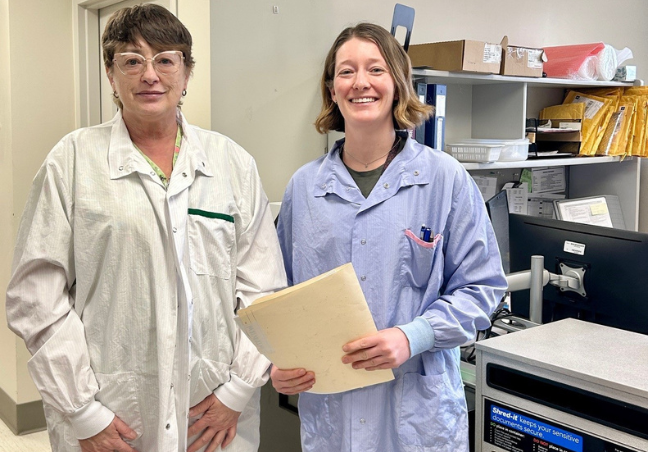
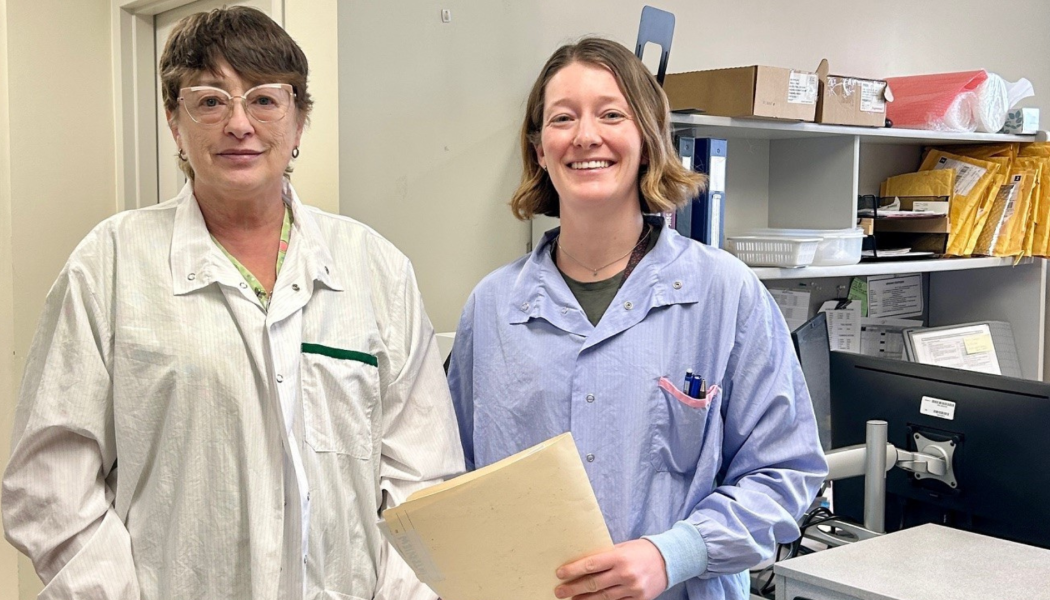
At Kootenay Boundary Regional Hospital (KBRH) in Trail, pathology requisitions are now scanned and read automatically, then attached directly to the patient’s digital record. Lab technologists can instantly pull up the original documentation while reviewing a case, without searching through filing cabinets.
“Automating requisition scanning has created a leaner process by allowing our lab to view original documentation digitally while reviewing a pathology case,” says Tessa Jones, medical laboratory technologist. “The added bonus is freeing up large amounts of physical storage space for paperwork in the coming years.”
The change also strengthens patient safety by ensuring original requisitions are always available during specimen processing. Currently live at KBRH, the solution will be rolled out to additional sites, including Royal Inland Hospital in Kamloops, later this year.
Strengthening patient safety through smarter data
Some IA projects deliver their greatest value through improved safety.
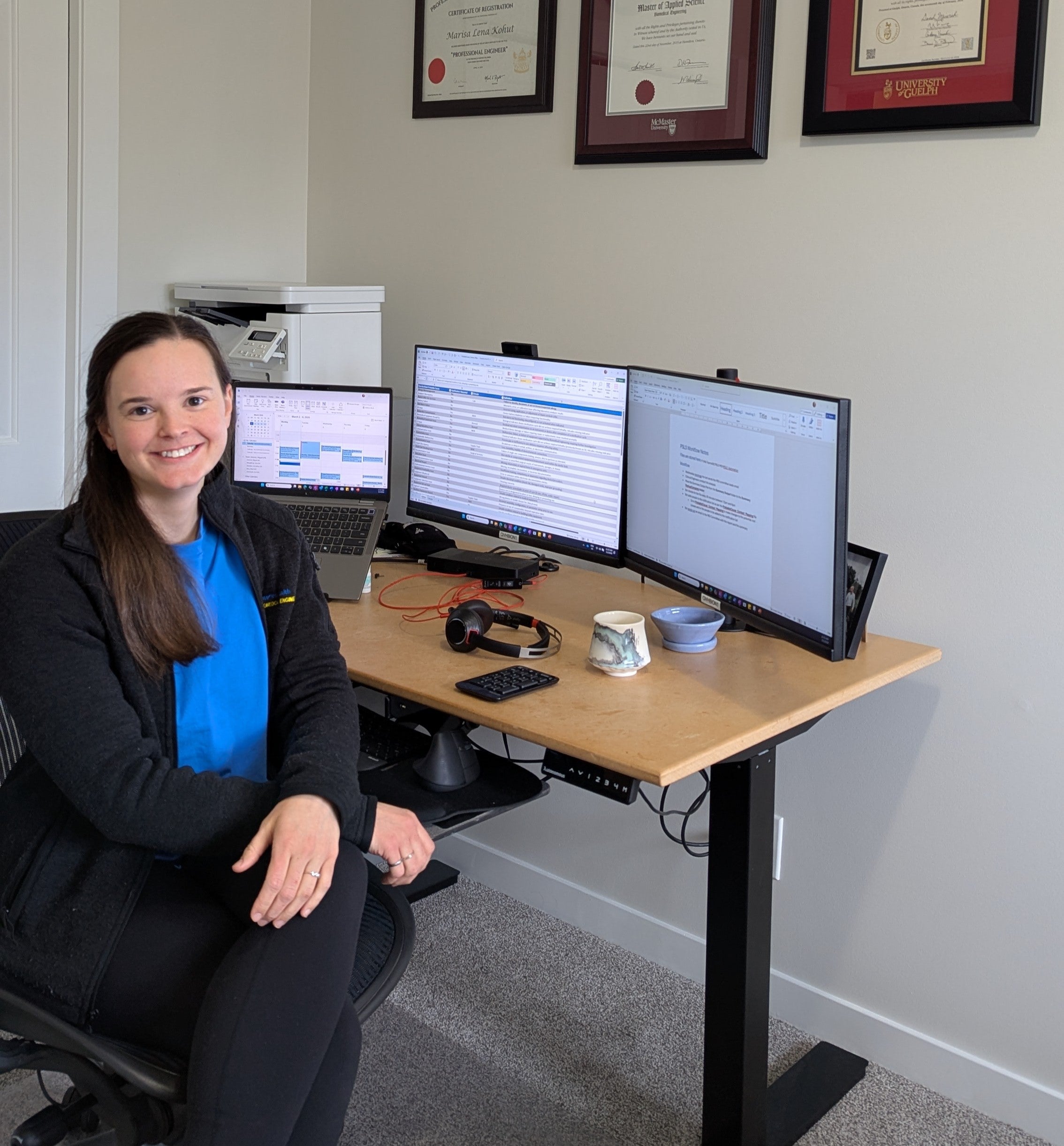
Each week, IH’s Biomedical Engineering team reviews all equipment related patient safety incidents reported across the region. This used to mean hours of manual work, pulling information from a provincial system, combining it into reports and sharing it with the right teams.
Now, that work happens automatically overnight. The system gathers the data, builds a single clear report and shares it with the review committee first thing in the morning. The result? Faster, more accurate information and better coordination.
“Biomedical Engineering operates with patient safety as its foremost principle,” say Sara McGillivray and Marisa Kohut, clinical engineers. “With support from the Intelligent Automation team, these tasks are now automated. This allows us to focus on what truly matters: reviewing each incident, supporting staff and helping prevent future issues.”
The automation’s real impact is helping to make sure nothing is missed when it comes to keeping patients safe.
The best automations aren’t flashy. They just silently make our colleagues’ days a little easier.
Making it easier for patients to book X-rays
For patients waiting on diagnostic imaging, delays with paperwork and scheduling can be frustrating. To help make the process faster and simpler, IA partnered with Patient Scheduling and Radiology to improve how X-rays are handled.
Incoming X-ray referrals, usually sent by fax, are now automatically turned into digital files. Key details are pulled out and filed electronically. This means patients can receive invitations to book their own appointments and staff can easily track each referral from start to finish.
“Digitizing our exam requests has made it much faster for our clerical staff to receive, sort and find requisitions,” says Lisa Van Galder, radiology technologist. “A quick patient search brings up the request instantly.”
The new process has eliminated lost paperwork and unnecessary back-and-forth between sites. Any IH location can access a referral, making it easier for patients to be booked where it’s most convenient.
“This innovation has completely changed our front-line work,” Lisa adds. “We can now redirect our efforts to the people instead of the paper.”
Now in place across IH, the solution decreases clerical tasks for health-care staff, and supports patients in self-scheduling their own appointments, which has greatly improved the patient experience.
Driving big change through collaboration
What makes IA especially powerful is the team’s collaborative approach. Each solution is developed in close partnership with frontline staff to ensure it fits real-world workflows and solves meaningful problems.
Much of this work happens behind the scenes, but its impact is felt across IH through smoother processes, safer care and more time for staff to focus on patients.
“The best automations aren’t flashy,” says Tim. “They just silently make our colleagues’ days a little easier.”
Check out more stories like this
Talking to your teens about drugs shows you care they make safe choices—it doesn't encourage drug use. Here's how to have talks with an open heart and mind.
/stories/how-talk-teens-about-drugs-and-other-substances
Cottonwoods Care Centre coordinator Lia Sambrielaz has been sharing small acts of kindness at IH for 37 years.
/stories/we-are-ih-coordinator-motivated-help-long-term-care-clients
Our 9-part video series teaches about the purpose and importance of advance care planning (ACP) and why it gives peace of mind to you and your loved ones.
/stories/lets-talk-about-advance-care-planning-your-voice-your-choice
A funding initiative is helping the Cariboo Chilcotin Métis Association (CCMA) grow food security in ways that reflect knowledge, culture and community needs.
/stories/funding-helps-williams-lake-metis-community-support-food-security
Meghan Johnston became a registered psychiatric nurse after watching people struggle to navigate the health-care system and witnessing the barriers they faced.
/stories/we-are-ih-psychiatric-nurse-finds-meaning-crisis-team-role
Jasmine Mingaud found relief and stability after connecting with the Central Okanagan PCN where a team helped her manage chronic pain and life challenges.
/stories/how-primary-care-team-changed-one-womans-chronic-pain-journey
STAY CONNECTED
Receive news, alerts, public service announcements and articles right to your inbox.