What Worked for Me: Nadine’s journey of counselling, culture and healing
This story is part one of a four-part series titled “What Worked for Me.” Content warning: This content includes themes related to residential school experiences, substance use harms and death.
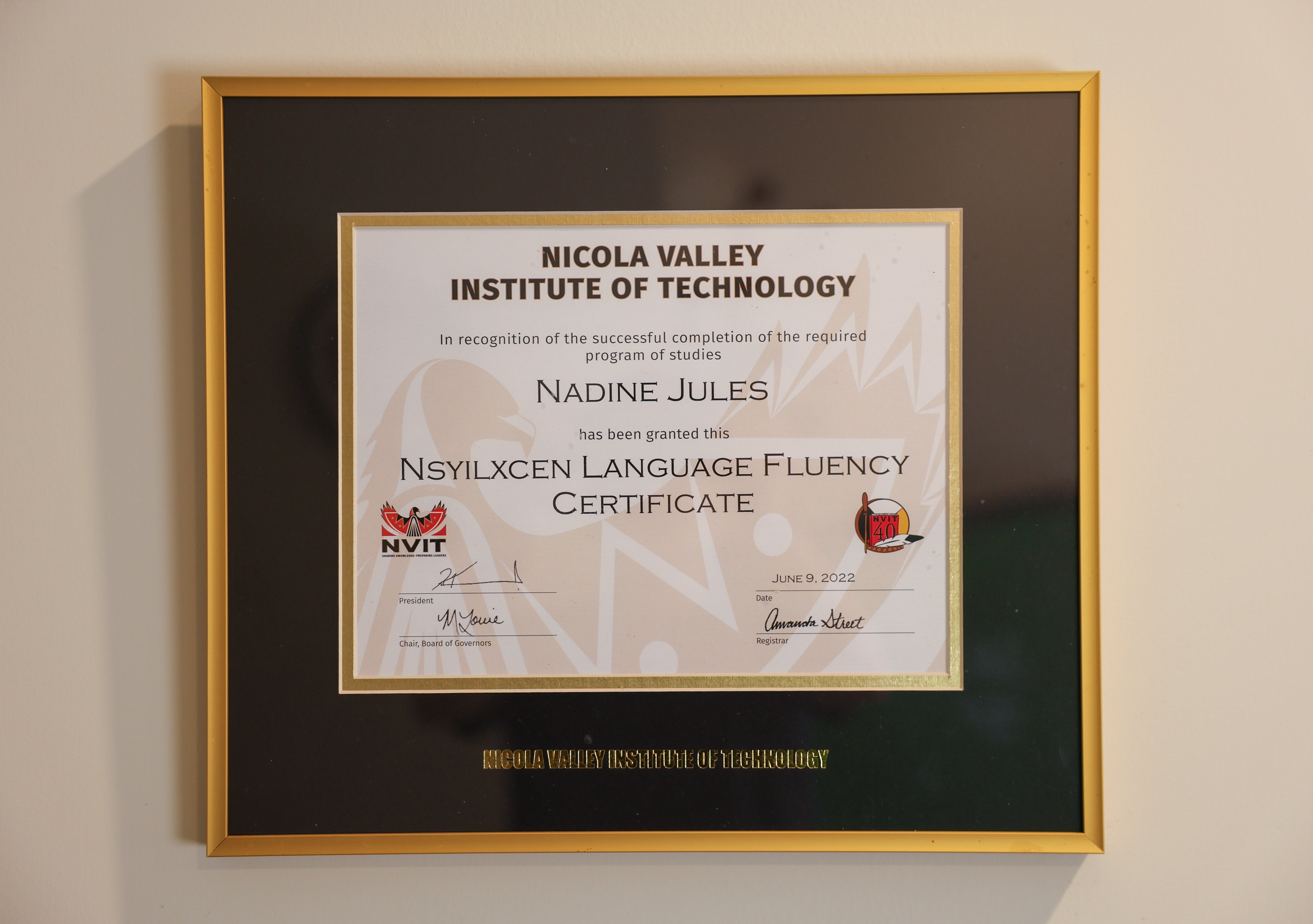
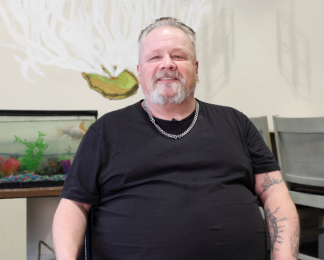
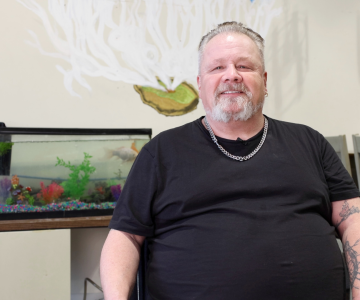
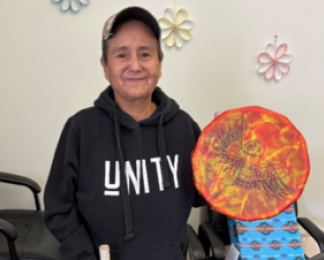
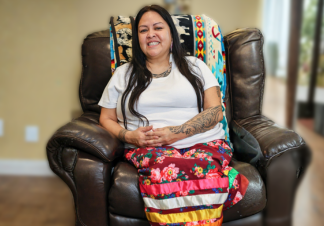
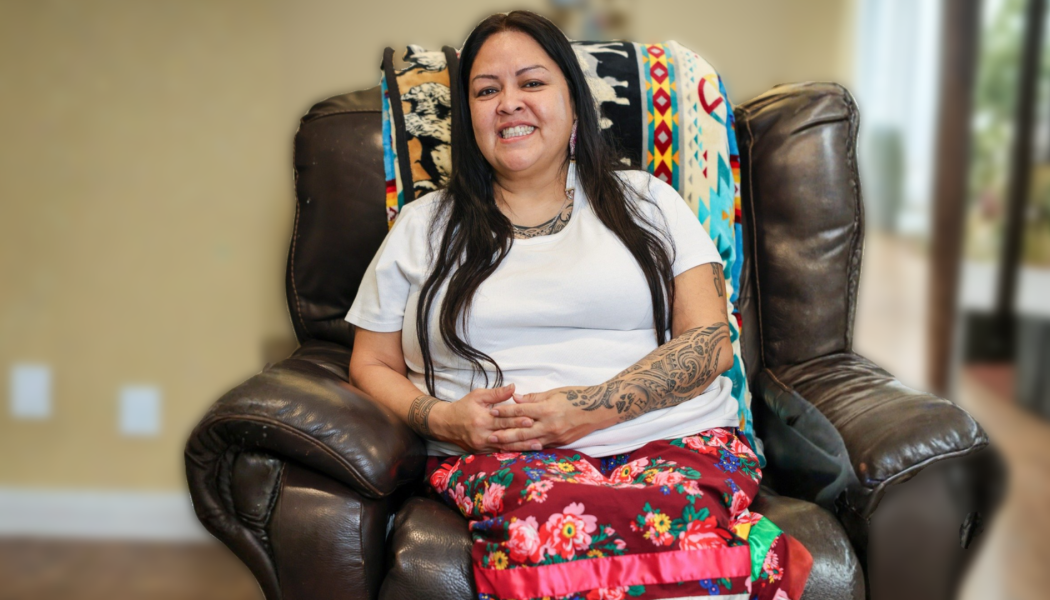
Nadine Jules carries two names. One is her traditional Indigenous name: “[The One] Who Brings the Storm,” and the other is Nadine Jules. She is a member of Westbank First Nation and a mother, grandmother and language learner lovingly called a “language baby” by her community. She is also seven years sober.
Her name may mean “[the one] Who Brings the Storm.”
But today, she is also someone who brings hope.
Her path to sobriety was not straight. It was shaped by intergenerational trauma, poverty, loss, addiction and, ultimately, by love.
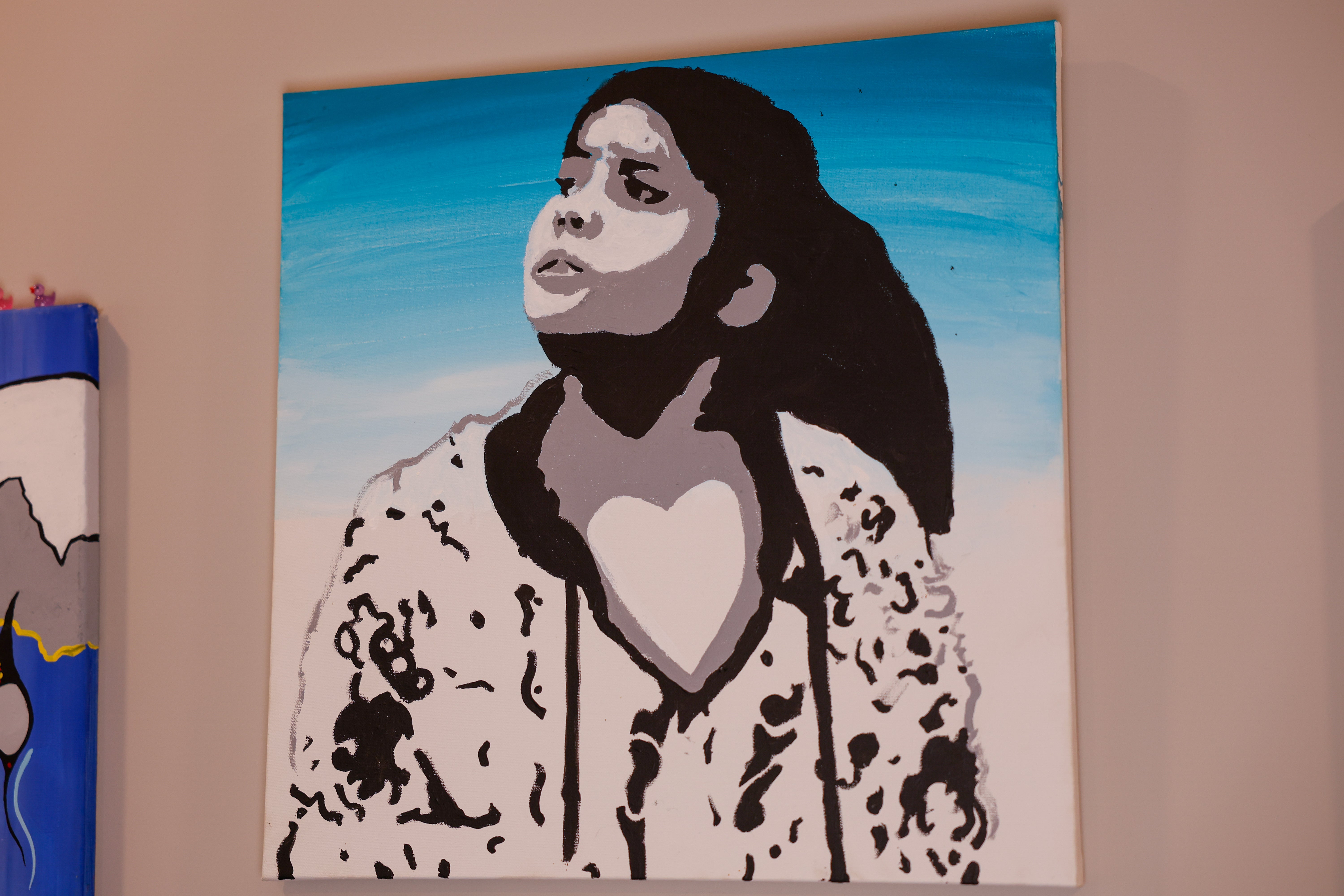
Learn more about Nadine's journey
Nadine’s parents were residential school survivors. Alcohol was part of her childhood home. As a little girl, she saw drinking as normal.
There was poverty. There wasn’t always enough food. By age five, she was largely caring for herself.
“I saw my parents drink, so I drank,” she remembers.
She started drinking at age 12. And, in the 1990s, as drugs became more common, she began using them too. Her substance use was recreational at first, but soon it became a way to cope.
Drugs helped her bury what she calls “the scars of my life and my hard past.”
At 15, Nadine became a mother to her daughter, Alice. Juggling school, parenting and substance use, she felt like she had missed her teenage years. She tried to balance it all, but she often felt pulled into many different directions.
Through the 1990s and early 2000s while living off reserve, she reached out to phone help lines and accessed counselling services. Mental Health and Substance Use (MHSU) services were just starting at that time, and there weren’t as many options or services as there are now, meaning help was limited.
“There wasn’t specific help about the trickle-down effects of residential schools and generational trauma,” she says and what was available “barely helped. There weren’t other options.”
By 2002, her recreational use had become a full-blown addiction.
Nadine lost her house. She lost stability. She lost trust. She stole from family. Her parents were worried, and her daughter was hurt by the chaos of addiction. There were attempts to quit.
In 2007, she relapsed after a breakup and faced pressure from her father to change. He told her he would disown her if she didn’t stop. She respected her parents deeply, and that ultimatum shook her. She managed her first major period of sobriety. But relapse followed. She hid it from her father. She cycled in and out of sobriety for years.
The breaking point
In March 2019, shortly after a severe relapse, Nadine bought drugs and alcohol. She planned to use them, but something felt wrong, and she didn’t end up touching them.
Early the next morning she received the news that her daughter, Alice, died from an overdose.
As she recalls, she came home and got rid of all the drugs she’d bought the night before.
“I felt like I lost everything. My late daughter would say, ‘Mom, I just want you to be my mom again.’ Knowing she passed away from drugs, I knew I'd never ever do this again because she asked me so many times before to stop.”
In that moment, grief and clarity collided. Whenever she looked at drugs after that, she saw the cost, but sill wanted to become the mom Alice had asked for.
What worked for me
Sobriety did not come easily. The first stretch was raw and difficult.
“The first bit of sobriety was hard. I understand how hard it is not to relapse,” Nadine says.
What helped her move forward was a combination of IH services and cultural reconnection.
What worked for me was utilizing the [Interior Health] counselling and bringing back tradition and culture into my life. It's one day at a time and sometimes it's minute by minute. There's help out there. You just have to let your guard down a little bit and ask for it and go get it.
In 2019, Nadine accessed counselling and peer support through IH. She has seen services evolve over time, with more Indigenous practices and culturally safer approaches being integrated into care.
Becoming a Peer Advisor has become especially meaningful. It allows her to both receive help and give it. She can use her lived experience to support others walking similar paths.
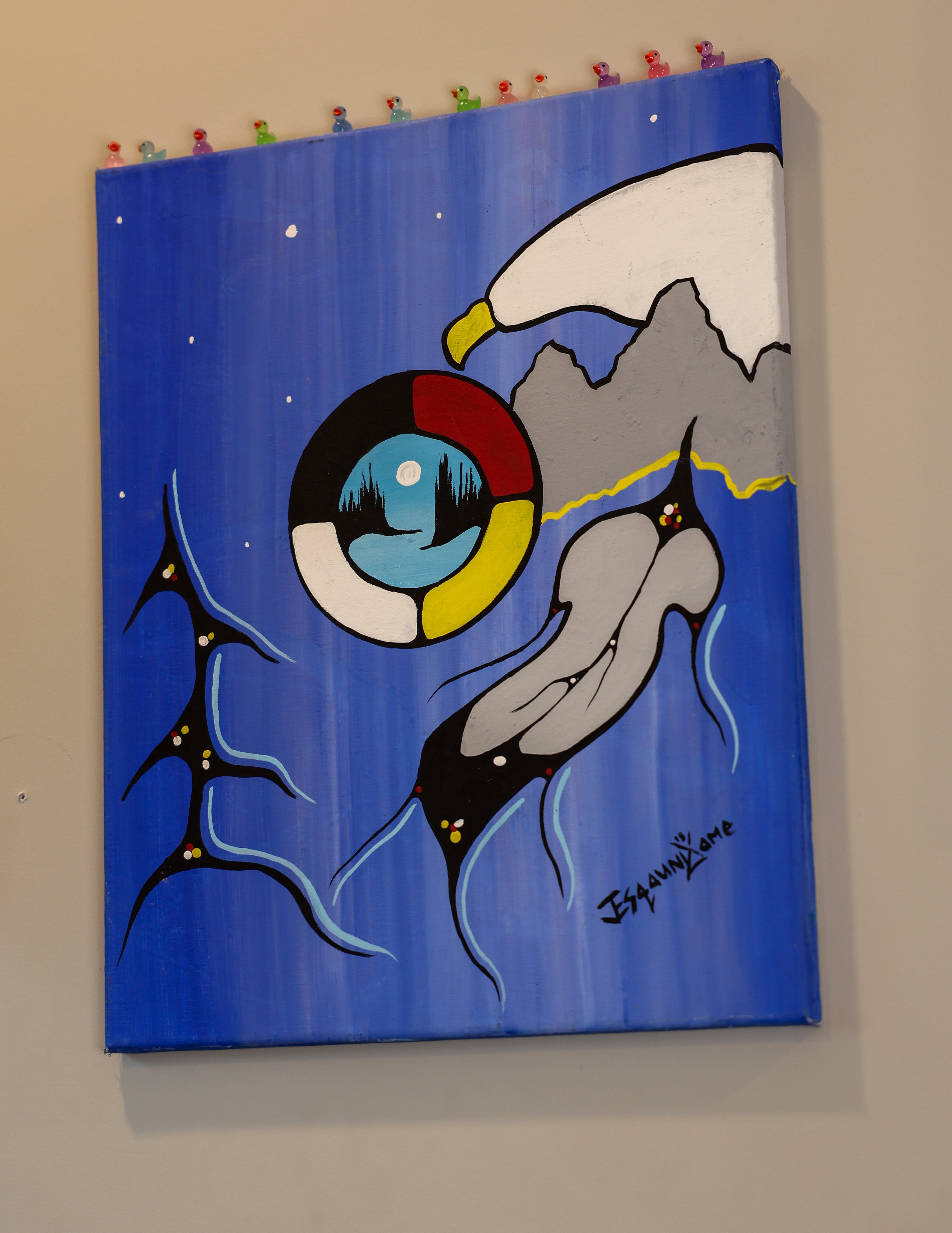
Alongside formal supports, she rebuilt her life through beading, attending cultural events and ceremonies, learning her language and caring for her granddaughter Lily, who is now 12. Nadine calls her granddaughter Sq’it, meaning “rain,” and Lily refers to her as “Tima”, which comes from the word stm̓timaʔ meaning grandmother. Nadine shares joint custody with Lily’s father and has made a promise she has kept since Alice’s passing: Lily has never seen her use substances of any kind.
She is intentional about breaking the cycle and weaving tradition, discipline and love into how she raises her granddaughter.
“IH has so many services, you just have to look,” she says. “You have to be your own warrior. Give yourself strength and hope to be the best you can.”
For Nadine, healing has meant honouring her daughter’s memory and choosing, every day, to live differently.
Get crisis support
Crisis Response Teams help you with crisis intervention, including assessment and links to appropriate community and hospital resources when you are experiencing an acute mental health or substance use crisis.
Call 911 for urgent, immediate help.
If you’re experiencing feelings of hopelessness or thoughts of self-harm, you can call one of these numbers. These services are available 24 hours a day, seven days a week, including holidays:
Mental health and substance use services
For help on your mental health and substance use journey, no matter what stage you're at, contact your local MHSU centre by calling 310-MHSU (6478). If you're an adult looking to access addiction care and withdrawal management/detox services, call Access Central at 1-866-777-1103 (toll free).
You can also explore these resources:
- Help Starts Here
- Toward the Heart (BCCDC)
You can also work with your primary health-care provider; this could be your family doctor or nurse practitioner. Or visit your local Health Centre or urgent and primary care centre (UPCC).
Explore our full range of services for adults and youth:
- Indigenous Patient Navigators
- Psychiatrists
- Opioid Agonist Treatment
- Seniors Mental Health & Substance Use team
- Outpatient Withdrawal Management (OWM)
- Treatment, Support and Recovery (TSR)
- Virtual Addiction Medicine (VAM)
- Adult Mental Health Services
- Youth Mental Health Services
- Adult Substance Use Services
- Youth Substance Use Services
Find services available in your community
We are committed to creating care that is culturally safe, free from racism, and grounded in humility, where all people, including Indigenous patients, families and communities feel respected and supported in their healing journeys.
IH’s CMH redevelopment team travelled around Cariboo to reconnect with Indigenous communities and share how their input is shaping the hospital's new building.
/stories/closing-circle-indigenous-communities-shaping-future-cmh
Chris Turner turned to addiction as a teenager, but through his recovery has become a mentor to give hope to others battling addiction.
/stories/what-worked-me-chriss-focus-daily-skills-helps-recovery
Find tips for walking, biking or rolling to school safely. Learn how to make it safer to travel to school in your community.
/stories/how-walk-bike-or-roll-school-safely
For Kelli Hartman, nursing was never just a career choice. It was a calling. What she didn't expect was where that calling would take her.
/stories/we-are-ih-retired-nurse-still-makes-difference-long-term-care
What worked for Saras addition recovery was the connections and relationships she formed at IH that changed her life.
/stories/what-worked-me-saras-journey-surviving-living
With B.C.’s ongoing toxic drug crisis., it’s more important than ever to know how to recognize the signs of an overdose and what to do if someone needs help.
/stories/knowing-signs-opioid-overdose-could-save-life
STAY CONNECTED
Receive news, alerts, public service announcements and articles right to your inbox.