Women experience heart disease differently than men–here's how
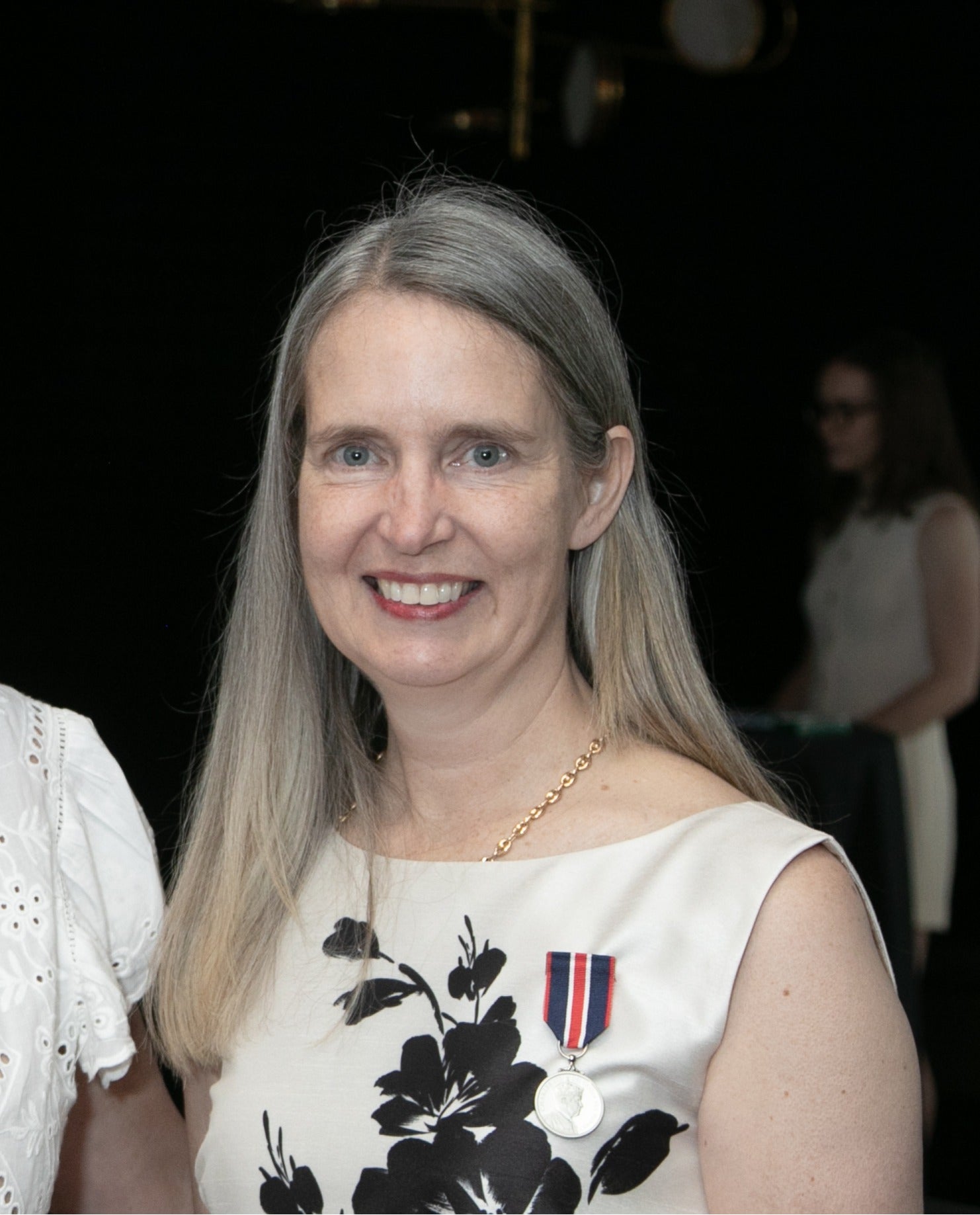
For three weeks last summer, Sandie thought her chest pains were from heartburn. The 68-year-old retiree went so far as to see a specialist who said she had acid reflux.
As her symptoms worsened over the next couple of weeks, Sandie would simply sit down, ask for a glass of cold water, and let the sensations pass as the water washed the “acid reflux” away. “And it worked,” she says. “I didn’t think much of it.”
Sandie and her husband were at a friend’s wedding in Vancouver in September when she felt what she describes as a “whoosh” coming up into her chest. She started to feel pain in her ribcage and in her breasts. She once again put it down to acid reflux.
The following week she noticed the whooshing and chest pain were happening once a day. Another week passed and then that Saturday, the night before her daughter’s wedding reception, the pain returned. But now the pain was in her neck as well, and she was nauseous. A nurse who was at the party insisted she go to the hospital.
“I think I’m having a heart attack,” she said, turning to her husband in the car. Her jaw and teeth had started to throb and her back was aching. Tests at the hospital confirmed what Sandie had suspected.
Today, Sandie has a stent in her heart. She takes medication daily. She’s lost 11 pounds, stays active and continues to volunteer at a golf course. Encouraged to look into her family’s health history, she discovered her mom and three siblings have high triglycerides (cholesterol).
As she reflects on her experience, Sandie is positive about her future. “It was a wake-up call for sure. As females we power through pain and sometimes ignore the obvious. We just get on with things.
“Don’t minimize your pain or write it off.”
Women experience heart disease differently than men
While heart disease is declining in men, it’s the number one killer of women worldwide and the leading cause of premature death in Canada. One in three women will be affected by heart disease.
Dr. Emmanuelle Massie is a cardiologist at Interior Health in Kelowna. “Cardiovascular (heart) disease is a leading cause of mortality in women,” she says. “However, most clinical trials have enrolled a much greater proportion of men compared to women, and hence there is very little data on women in this field.
“We now know there are all sorts of other risk factors that these scores don’t take into account,” she adds. “Risk factors for developing cardiovascular disease in women are different than in men. Early menopause and pregnancy-related issues, such as preeclampsia and gestational diabetes, must be considered in addition to more traditional risk factors, such as hypertension, diabetes, high cholesterol, smoking, obesity, and a sedentary lifestyle.”
Symptoms of heart disease for women
During a heart attack, we might think of someone as clutching their chest or their left arm and gasping for air. Says Dr. Massie, “Women often present with atypical symptoms compared to men, and like in Sandie’s case, those symptoms can falsely be attributed to other potential health issues like acid reflux. This can unfortunately delay proper care.
“Unfortunately, women are less likely to be offered aggressive preventive and therapeutic treatments compared to men, despite similar benefits. If you’re in doubt, even if you don’t think it’s a heart attack, call 911 or have someone drive you to the hospital immediately,” emphasizes Dr. Massie.
In addition to chest pains during a heart attack, a woman may feel:
- An ache across the upper back and stomach
- Shortness of breath
- Fatigue and weakness
- Pain in the jaw, neck, right arm or back
- Extreme sweating
- Nausea
Heart health stories highlight women’s unique journeys
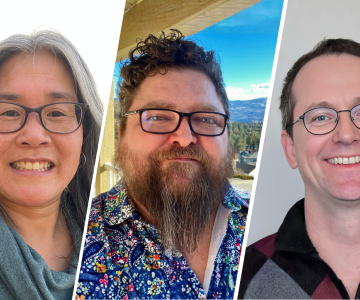
Along with Sandie, we also sat down with two women who have experienced significant heart events. Their stories are as unique as they are.
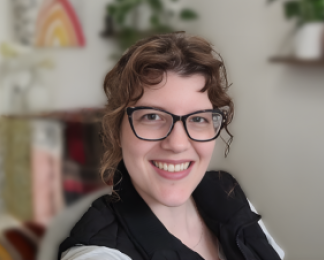
Ashley’s Story: Congenital heart disease (CHD)
When Ashley was born, she was an easygoing, yet sleepy baby. During her routine check-up at six months old, her doctor discovered she had a hole between the upper chambers of her heart (primum atrial septal defect), and a leaky mitral valve (double orifice mitral valve with single papillary muscle protruding).
Six months later, she underwent her first surgery to patch the defect.

In the early 1990s when Ashley was born, only 30 per cent of babies with the condition were expected to make it to adulthood. Today, over 90 per cent of such babies survive thanks to advances in health care. It’s the world’s leading birth defect, with approximately one in 80–100 babies in Canada born with CHD.
Looking back on her childhood, Ashley says, “My parents didn’t really treat me any differently. “My dad would say, ‘Get up, we’re going for a hike!’ I just did everything at my own pace.”
When Ashley was seven, she underwent heart surgery again to replace her mitral valve with a mechanical one. Complications during surgery led to Ashley receiving an external pacemaker. Seven days later she had a pacemaker implanted internally. “I remember that whole morning,” she recounts. “The experience has never left me.”
Around the time she received her pacemaker, her dad bought her and her sister a sparkly snowmobile. It was the start of a lifelong passion for sledding.

As she grew older, and undeterred by “don’ts” and “shouldn’ts,” Ashley took physical education at school, played sports, hiked and eventually worked in construction. “I would get C’s in gym class,” she jokes.
Until her mid-20s, Ashley didn’t often share her heart condition with others. As she explains, “I was dealing with severe anxiety and post-trauma stress disorder from all the surgeries. I was taking Ativan® multiple times a day for five years and eventually became depressed.”
Tired of the anxiety, she decided she could cope better by helping and teaching others about her condition and heart disease. She has met with families with infants and children at the start of their journeys, terrified of what lies ahead.
“I’ve been advocating for myself from a very young age. I’ve had to recognize and explain my symptoms since day one. Now, I want to be that voice and support for the younger generation and give them and their families the help I didn’t have. My motto is ‘No matter what.’” In 2024, Ashley was nominated for the Best of Kelowna Influencer Award.

Ashley is on her fourth pacemaker and is now waiting for a mitral valve replacement. As she explains, “For three years, I knew something wasn’t right in my body and I kept pushing for a diagnosis. I was told ‘With your condition, this is how things are, and you’re young and healthy,’ over and over again.”
Her next surgery is scheduled for April. “Knowing I have to go through another open-heart surgery is a lot. I have a ton of support. My husband has been a huge part in my healing journey and always pushes me to just go for it, even if it scares me," she says.
You’ll find Ashley advocating on Instagram @ashley.the.bionic.
Carla’s Story: Spontaneous coronary artery dissection (SCAD)
Last June, Carla was out for a trail run training for a major race when she started to experience sharp back pain between her shoulder blades. She carried on, convinced she had just tweaked her back.
“That something was wrong with my heart briefly entered my mind,” recalls Carla, a 51-year-old ultra trail runner and registered massage therapist. “I felt fine running down hills, but the pain would come back when I went up a hill.”

As they headed back to the parking lot, she turned to her husband and said, “I don’t feel good.” Her shoulders had started to ache, and both of her hands were tingling. They drove to Vernon Jubilee Hospital, but her husband waited outside, thinking she would be in and out.
Instead, Carla was admitted immediately. While her ECG looked good, her troponin – a protein found in the heart muscle that’s released into the blood when the muscle is damaged – was elevated. Carla suspected she was having a heart attack.
To look at Carla, it would be easy to assume heart problems would be the least of her concerns. She’s a lifelong runner, did martial arts for 23 years and played soccer growing up. An angiogram the next day revealed she had had a SCAD—spontaneous coronary artery dissection—a tear inside the coronary artery resulting in a large hematoma (pooling of the blood) and blockage. Carla had indeed had a heart attack.
Almost unheard of in men, about 90 per cent of SCADs happen in women between the ages of 30 and 60. The condition accounts for 25 per cent of heart attacks in women younger than 60.
Describing her diagnosis as having the rug pulled out underneath her, Carla had to adjust her lifestyle—but not in the way you’d expect. She had to decrease how much she exercised, avoid strenuous activity and be careful not to raise her heart rate too high.
“My physician told me I needed to not rush or get back into activities too quickly. It takes about 12 weeks for the artery to heal, and SCADs can reoccur,” explains Carla. “But I’m a pretty positive person. My mindset was that I must approach this like training for any race: one step at a time.”
She joined a 12-week program with Central Okanagan Association for Cardiac Health (COACH) in Kelowna.
“I can't stress enough how important the COACH program was for me,” Carla says. “After I finished the first six weeks of the program, my cardiologist Dr. Amit Khosla said I could get running again. The COACH team monitored me and got me back to what I love doing.” Carla adds the program helped build her confidence—and trust her heart again.
Seven months have passed since her SCAD. Today, Carla has a better sense of what her body is capable of. She’s working a little bit less, and she’s just started taking their three large dogs out for walks on her own. She’s also on a waitlist for a specialized women’s SCAD clinic in Vancouver.

“There have been hard days and hard moments, and emotional times. My running friend likes to say, ‘Forward is a pace.’ As small as that step is, even if it’s teeny tiny, it’s still a step forward.”
Though it took her some time, Carla feels grateful. “I just think back to seven months ago and compare it to where I am today. There is life again after these significant events.” Carla adds she has amazing people in her life and urges others to find their supports.
She also shares this advice: “If you are in doubt, if you don’t like how something feels, go get checked out.”
February is Heart Health Month in Canada. Help raise awareness of the importance of women’s cardiovascular health by wearing red on Feb. 13 or joining the movement challenge as part of the Wear Red Canada’s #HerHeartMatters campaign.
Check out more stories like this
Tineke was the first policy specialist hired at IH. For two-plus years, she has helped organize many IH policies.
/stories/we-are-ih-policy-specialist-finds-joy-her-role
Recent regulatory changes are making it easier for U.S.-trained lab professionals to find a job in Canada. Attractive benefits make the move north enticing.
/stories/why-us-medical-lab-professionals-are-looking-work-canada
As a doula, Sage Thomas attended a home birth where the family integrated Indigenous ceremonial practices. She’s now practising midwifery in her home community.
/stories/tkemlups-te-secwepemc-grad-offers-midwifery-care-close-home
Thirty-five years into her career with IH, Elizabeth Adolph still loves what she does: taking care of residents at Mountain View Lodge in Lillooet.
/stories/we-are-ih-care-aide-proud-residents-consider-her-friend
In the 5 years since the In Plain Sight report was released, we’ve made strides towards being a culturally safe organization—but there’s more work to do.
/stories/ihs-fifth-plain-sight-response-supports-reconciliation
Inspired by her aunt’s career as a pharmacist, Angela became a pharmacy technician to use the hands-on aspect of compounding to benefit patient care.
/stories/we-are-ih-pharmacy-tech-enjoys-problem-solving-patients
STAY CONNECTED
Receive news, alerts, public service announcements and articles right to your inbox.