Environment and Climate Change Canada has issued an updated heat warning for the Boundary, South and North Thompson and Fraser Canyon areas in the Interior Health and Fraser Health regions from Sept. 2 to Sept. 5, 2025. View the map of the heat warning area here.
With elevated temperatures, the risk of heat-related illness increases.
Everyone is at risk of heat-related illness, but hot temperatures can be especially dangerous for seniors (ages 65 years or older); infants and young children; pregnant people; people with chronic health conditions and mental illnesses; people who work outdoors; and people who live alone or are socially isolated, homeless, or unsheltered.
More details about extreme heat, including symptoms of heat-related illness and those most at risk, are available on the IH's Extreme Heat page and IH YouTube channel.
When to call 9-1-1:
- In cases of heat stroke: severe headache, loss of consciousness, disorientation, confusion, severe nausea or vomiting or very dark urine or no urine.
- In general, regardless of hot weather: when there is chest pain, difficulty breathing, loss of consciousness, severe burns, choking, convulsions that are not stopping, a drowning, a severe allergic reaction, a head injury, signs of a stroke, signs of an overdose or a major trauma.
If you have a less urgent health concern:
- You can call HealthLinkBC at 8-1-1 and speak with a nurse or go to an urgent care centre or clinic if you can do so safely. That way, our emergency medical dispatch staff and paramedics will be available for people who need their services the most.
- There are also online tools at healthlinkbc.ca, including a “Check Your Symptoms” tool.
- In the Fraser Health region, call Fraser Health Virtual Care at 1-800-314-0999 to speak with a registered nurse from 10:00 a.m. to 10:00 p.m. seven-days-a-week.
Steps to protect yourself, and those around you from heat-related illness:
Keep your home cool by:
- Opening windows when the outdoor temperature goes down below the indoor temperature at night and if the air quality is safe
- Shut windows and close curtains/blinds to keep cooler air in and the sun out
- Avoid making meals using the oven
- For those who qualify, free portable air conditioners are available through FortisBC and BC Hydro.
- Important: If you are experiencing extreme heat during an air quality advisory, prioritize cooling down. Heat is typically more dangerous than short-term exposure to poor air quality.
Keep your body cool by:
- Wearing a damp towel or shirt
- Taking a cool bath or shower
- Putting an ice tray in front of a fan
- Using a personal mister or spray bottle
- Drinking lots or water
- Lowering your activity level and avoiding intense activities
- Important: While fans can help you feel more comfortable, they do not work to lower body temperature at temperatures over 35C.
Do your best to take care of high-risk individuals by:
- Visiting them to check the indoor temperature of their home
- Encouraging them to take cool baths and sleep in their coolest room, such as the basement
- Invite them to your house if you have air conditioning
- Never leave children, dependent adults or pets alone in a parked car. Leaving windows open will not help.
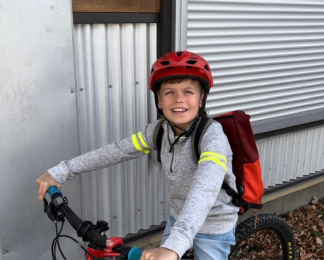
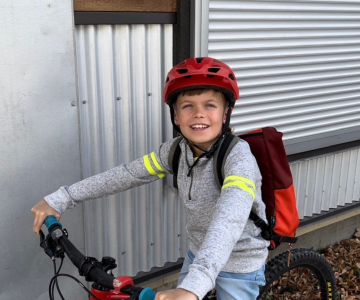
Back to school safety
Children are not always able to recognize how heat events can affect them:
- Ensure they stay hydrated with plenty of water.
- Apply sunscreen throughout the day; wear hats, sunglasses, and light weight clothing in breathable materials.
- Avoid being outside at the hottest parts of the day (approximately 3 p.m.)
- Seek shade, air-conditioned spaces such as community centres or libraries, splash pads, water parks or pools.
Resources:
- Watch: Keeping Kids Cool
- Watch: Heat Inside the home
- School Safety
Keep up to date on weather alerts and information:
The BC Centre for Disease Control provides a broad range of heat-related guidance, including information on the different types of heat alerts, how to prepare for hot temperatures, symptoms of heat-related illnesses, those most at risk during hot weather and ways to stay cool.
More information can also be found in B.C.’s Extreme Heat Preparedness Guide and fraserhealth.ca/sunsafety.