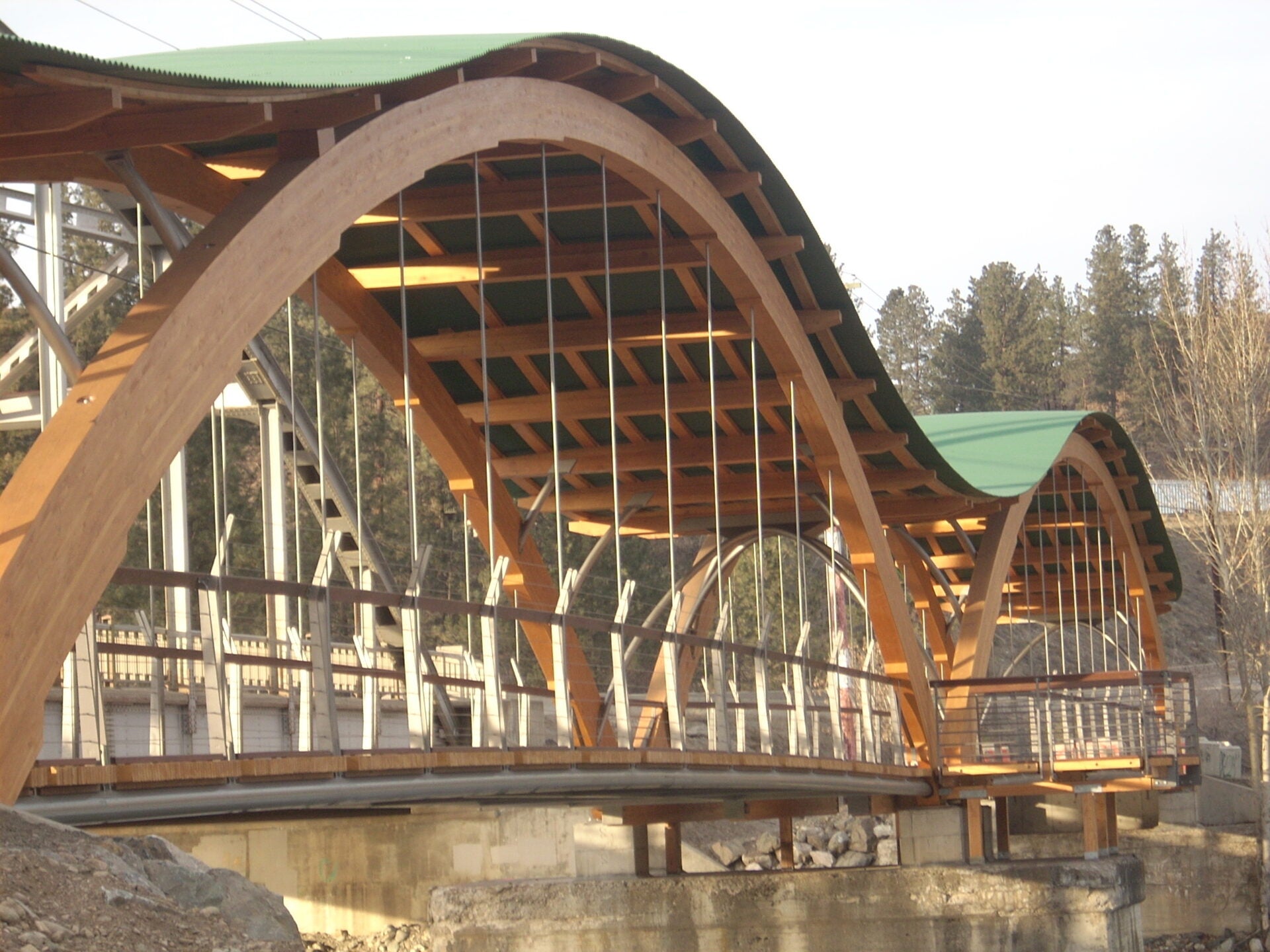
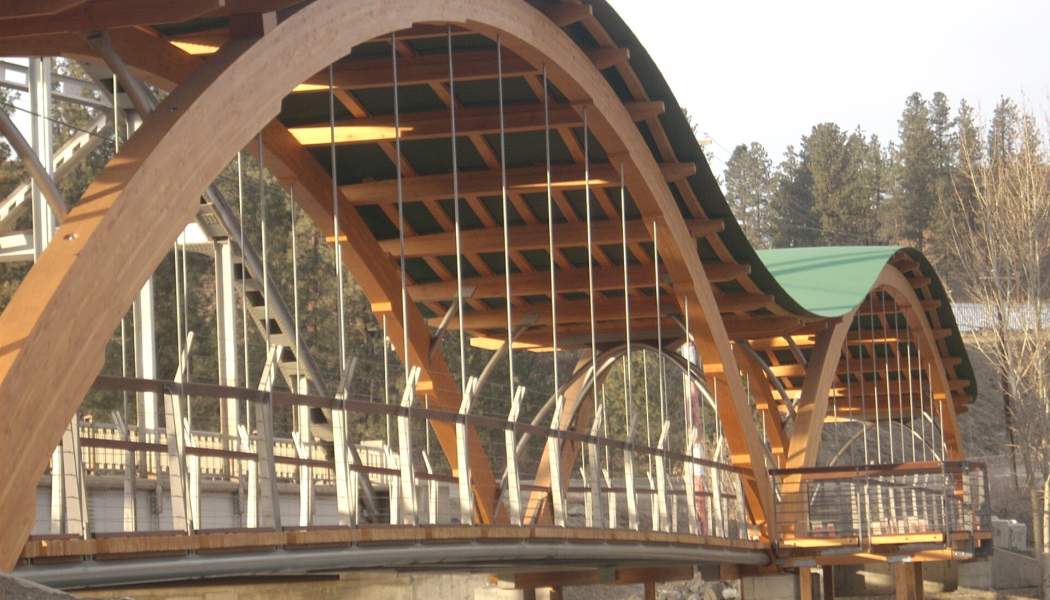
One day on a walk with my daughter and our dog in my hometown of Princeton, we stopped to look at our local “Bridge of Dreams”.
While standing there, my daughter pointed to graffiti done with a black sharpie on the bridge and asked me what it meant.
There were racist, sexist and homophobic slurs as well as many symbols associated with Nazism. I felt shocked and responded hesitantly as I was forced to have a difficult conversation right then and there with my girl around inequality in our society which included the concept of genocide. This conversation was not easy as I tried to tone it to the innocence of my child.
I phoned the Town of Princeton in front of my daughter as soon as we got home and explained to the clerk what we had seen and how I was saddened and hoped for removal as soon as possible.
The person taking my report said she would get right on it and asked if I would like a phone call back when the removal was done. I initually thought that was unnecessary, but she suggested it might be a good idea so I could take my daughter back to the bridge to demonstrate that our town and society takes action to remedy these situations as they are not tolerated.
We went to see the cleaned-up bridge a few days later and it was very impressive how even the deep marks had been sanded off the wood. I felt really proud to be a Princeton resident that day.
A few weeks later the news reported the death of Mr. George Floyd while in police custody. I was inspired by the global response and calls for social justice and I wanted to do something locally to help affect change.
I realized I had a unique opportunity to share my message as the front fence of my home faces the highway and hundreds of locals and travellers use the route.
So inspired, I started to create a sign. My daughter and I talked about the sign and the message it sends. She connected our conversation to what she had learned in school about Orange Shirt Day and residential schools, and began to help decorate the sign.
We attached our 37 ft. sign to the fence and the response from our community was very positive.
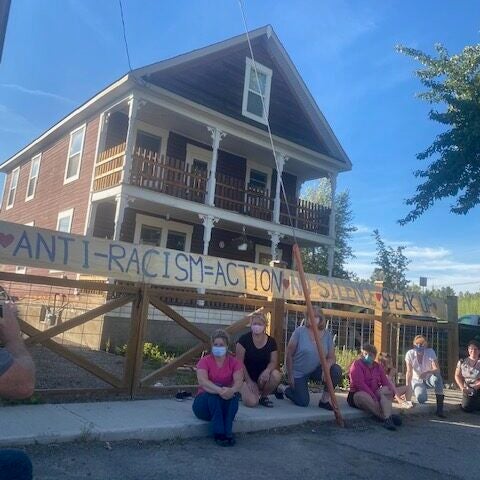
I had colleagues texting me “I like the sign on your fence “ with heart emojis and I had people come off the highway and find our house in town and take photos in front of the sign. I asked colleagues to come and have a photo together.
The message on this sign applies to so many historically marginalized groups in our world. I especially acknowledge our First Nations people and the unfathomable challenges they have suffered over generations of being targeted by legislative and systemic societal failures in Canada.
I believe education is key to changing the world and organizations like Interior Health are very important in promoting such messaging. Here we make it a point to provide education to our staff about Aboriginal history so we can improve our awareness and incorporate a better understanding into our work.
It makes me proud to work here.
I am so hopeful the next generation will take us forward in moving closer to equal justice for all and I hope to instill this power into my own little girl.