Explore Stories
Health & Wellness
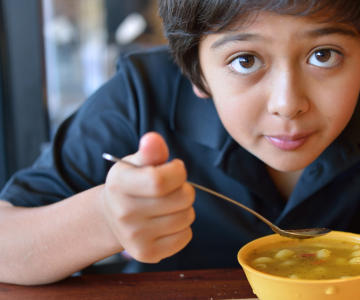
This is part three in our three-part series that explores food literacy in schools in the Interior Health region. The Souper Meals lunch program not only inspires students to try new foods and connect with each other over a meal but benefits our local food systems as well. Across School District 83 and the Shuswap region, something simple is making a big difference at lunchtime: a warm bowl of soup. Souper Meals is a school lunch program where soup, made with local produce and meats, is served along with fruit, veggies and buns to students once a week free of charge. The program not only inspires students to try new foods and connect with peers over a shared meal, but it also invests in the local food system.
Community & Culture
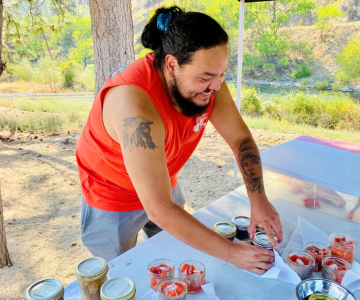
This is part two in our three-part series that explores food literacy in schools in the Interior Health region. Every Friday at Senpaq’cin School (pronounced Sen-Pok-Chin) in Oliver, students from kindergarten to Grade 7 take part in Fire Fridays, a land-based learning program that connects syilx language, culture and food sovereignty. At the First Nations school, sessions begin with a talking circle where students explore traditional foods and culture, and the importance of honouring food systems and providers.  Students then move through hands-on learning stations, from art and drumming, to gardening and cooking. Each station is designed to spark curiosity and pride in cultural teachings. This season, students have been harvesting local ingredients and cooking their own meals from start to finish. 
Health & Wellness
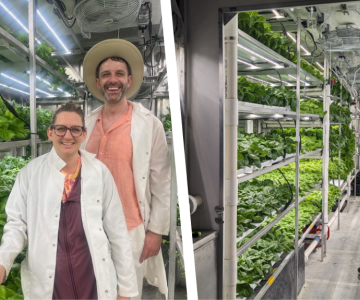
This is part one in our three-part series that explores food literacy in schools in the Interior Health region. Students at KLO Middle School in Kelowna are learning about growing food and the importance of caring for the land thanks to the addition of a modular farm on school grounds.  With the help of funding from the President's Choice Children's Charity, the school installed a modular farm that uses hydroponics to grow leafy greens and herbs inside a large shipping container. Plants are grown without soil and are watered in a way that saves space and resources. Modular farms are easy to use, and can work in freezing temperatures as cold as -40°C. 
  • Showing 3 of 3

Sign up for email updates

Receive news, alerts, public service announcements and articles right to your inbox.

mail