Canadian Cancer Society lodge eases patient’s treatment journey
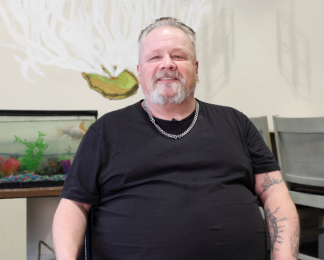
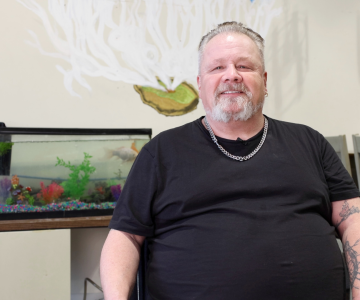
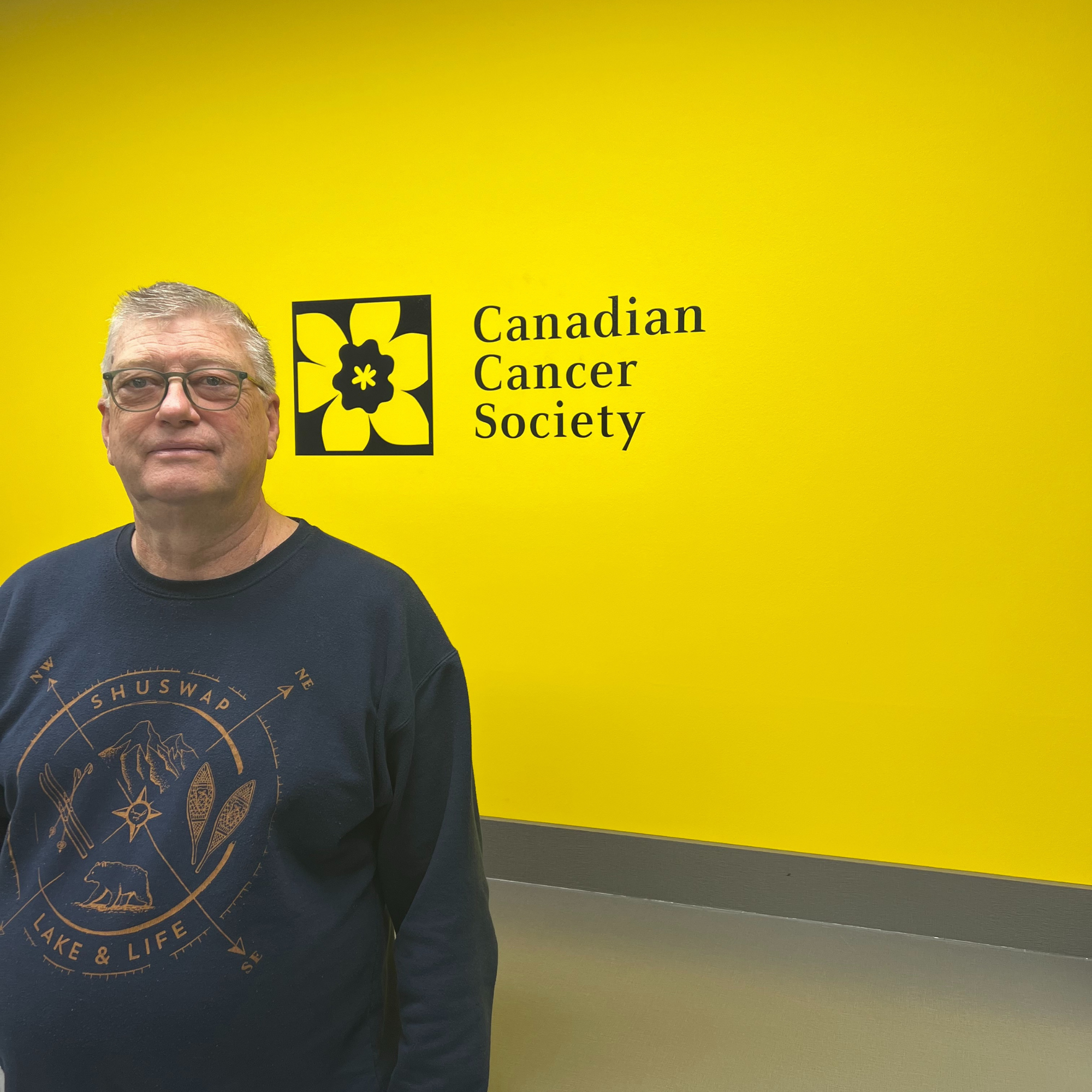
Doug Berry says after a lengthy journey to his cancer diagnosis and treatment, he is thankful for the travel support he received through the Cancer Travel and Accommodation Services (CTAAS) program.
In 2023, Doug had visited Mexico for his daughter’s wedding. For years, he had been experiencing soreness and itchiness on his skin. During the trip, the Sicamous resident saw a new dermatologist who suggested he undergo a biopsy.
“Two weeks later, I received a letter saying I should visit an oncologist,” Doug recalls. “It was a bit of a shock, but I called my doctor right away.”
A home away from home
Doug was diagnosed with a rare skin cancer,: Extramammary Paget's disease (EMPD). His CT scan revealed that the cancer had spread to his lymph nodes, pelvis and chest. This complicated his treatment plan, which would take place in Kelowna.
“Everything was delayed as they tried to figure out a new solution,” Doug explains. “My wife and I had planned on booking an RV site in Kelowna during my treatment, but it was getting too late in the season.”
With the weather turning, Doug began looking for other options and found the Southern Interior Rotary Lodge, a home away from home for people who must travel to receive cancer treatment.
“We went on a tour of the Lodge, and everything was great. We saw downstairs—the kitchen, the big communal rooms and places where you could relax. We decided it was where I should stay,” Doug says.
“The Lodge is unbelievable,” Doug says. “It’s nice to be able to just walk across the parking lot and be at the cancer clinic.”
Doug’s stay at the Lodge coincided with the BC Government announcing new funding for CCS to expand the Cancer Travel and Accommodation Services (CTAAS) program. For people like Doug, who must travel to access cancer care, the CTAAS program provides free accommodation in Canadian Cancer Society Lodges and access to other support programs as well.
When he checked in, Doug learned about the Travel Treatment Fund (TTF) which provides financial support for people who must travel for cancer treatment.
“It was very nice, I just had to fill out a form,” Doug says. “I think it really helps a lot of people that are financially burdened.”
While staying at the Lodge, Doug appreciated the care he felt. His stay included three home-cooked meals each day and allowed him to focus on his treatment.
Weekend trips home with Wheels of Hope
Doug was able to travel home on weekends using Wheels of Hope, a program that connects volunteer drivers with people who need transportation to cancer treatments. While using Wheels of Hope, Doug uncovered a unique connection: he realized that the driver’s dad and his dad drove Greyhound buses together. They were able to catch up again after 50 years.
After six weeks of treatment, Doug was able to go home right before the holidays. He is thankful for the support he found and encourages others to continue funding these services and cancer research, as he knows how many people are affected by cancer.
Learn more about cancer travel services
If you or someone you love is travelling to receive cancer treatment, find out more about Cancer Travel and Accommodation Services (CTAAS) or call 1-888-939-3333.
Check out more stories like this
IH’s CMH redevelopment team travelled around Cariboo to reconnect with Indigenous communities and share how their input is shaping the hospital's new building.
/stories/closing-circle-indigenous-communities-shaping-future-cmh
Chris Turner turned to addiction as a teenager, but through his recovery has become a mentor to give hope to others battling addiction.
/stories/what-worked-me-chriss-focus-daily-skills-helps-recovery
Find tips for walking, biking or rolling to school safely. Learn how to make it safer to travel to school in your community.
/stories/how-walk-bike-or-roll-school-safely
For Kelli Hartman, nursing was never just a career choice. It was a calling. What she didn't expect was where that calling would take her.
/stories/we-are-ih-retired-nurse-still-makes-difference-long-term-care
What worked for Saras addition recovery was the connections and relationships she formed at IH that changed her life.
/stories/what-worked-me-saras-journey-surviving-living
With B.C.’s ongoing toxic drug crisis., it’s more important than ever to know how to recognize the signs of an overdose and what to do if someone needs help.
/stories/knowing-signs-opioid-overdose-could-save-life
STAY CONNECTED
Receive news, alerts, public service announcements and articles right to your inbox.