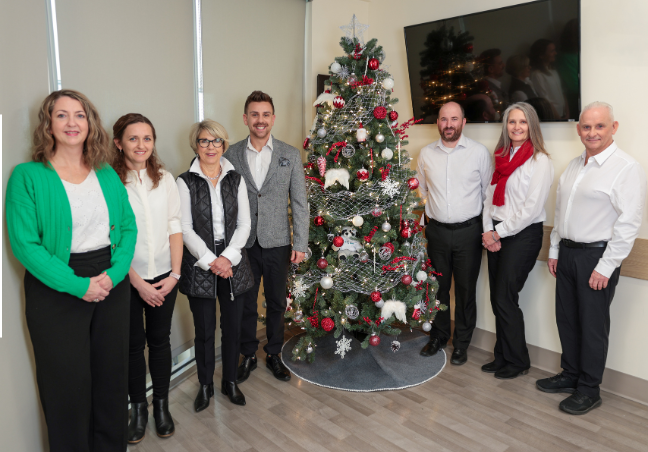
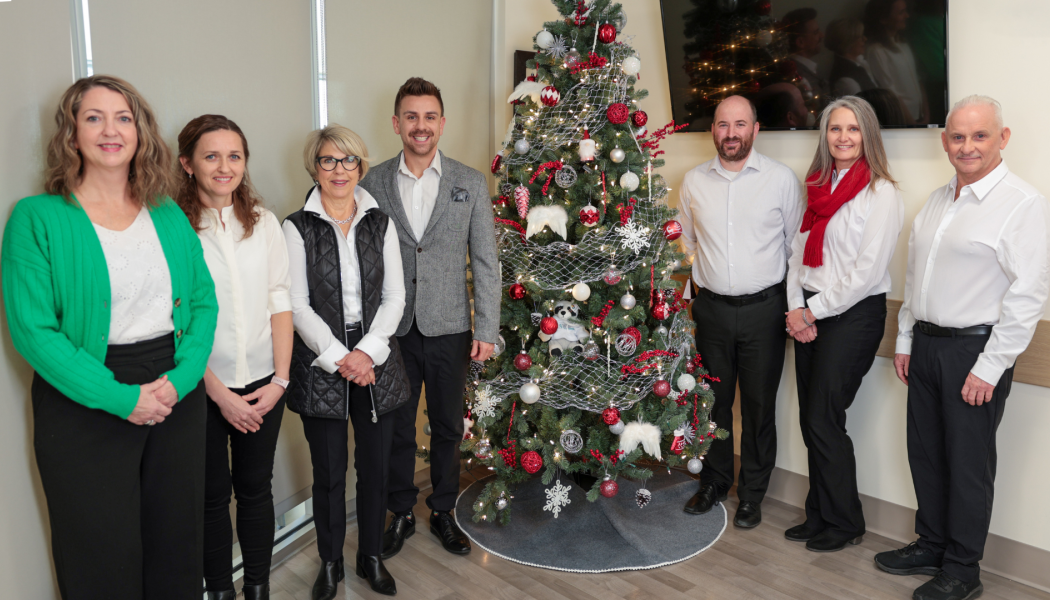
Foundation spotlight series: South Okanagan Similkameen Medical Foundation
Foundations in the Interior region raise funds that support medical equipment, care needs, and innovative local initiatives in their communities. Each organization includes respected community leaders, volunteers and staff who are passionate about meeting the needs of patients and families in Interior Health. Thanks to the generosity of their supporters, we all have a stronger health system.
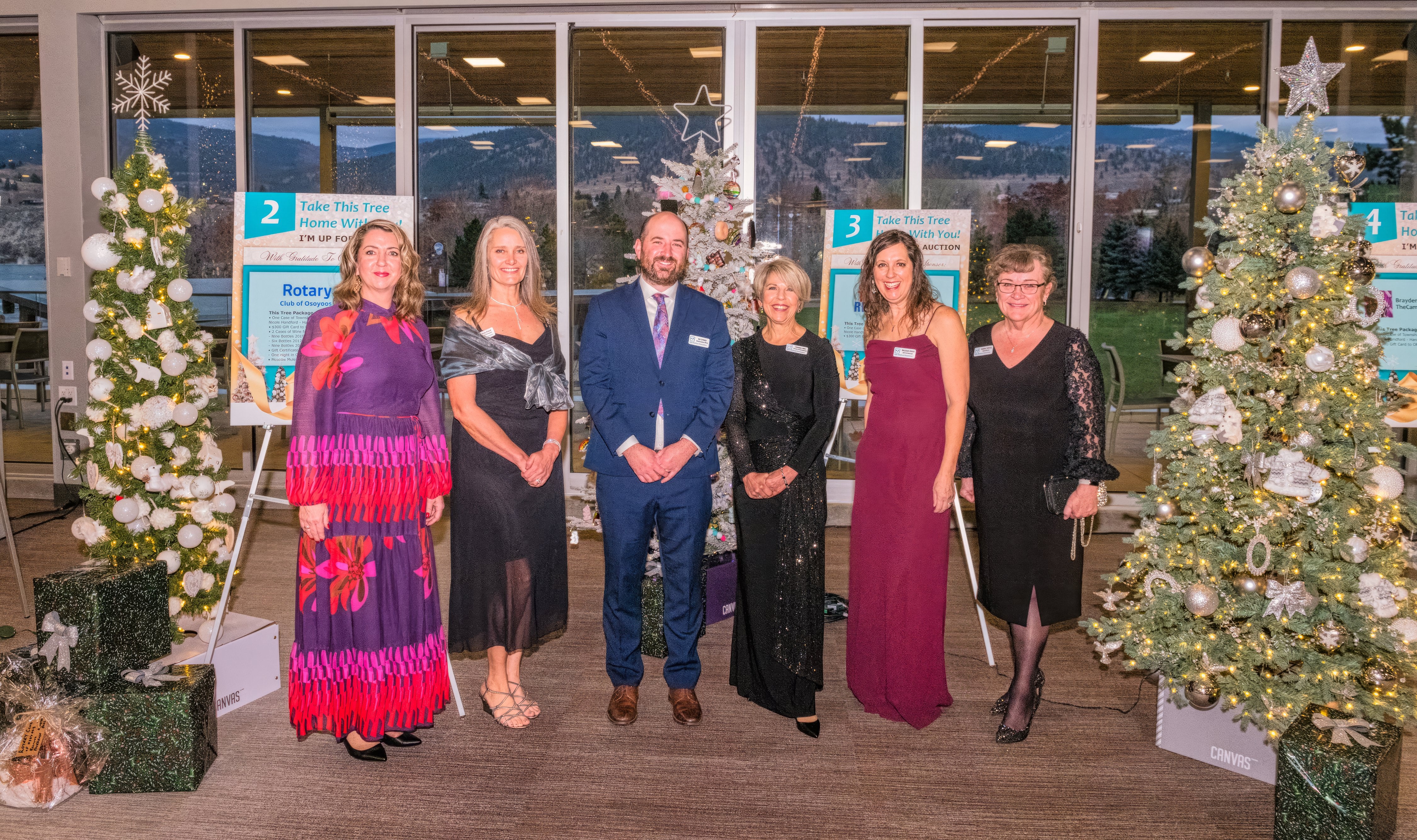
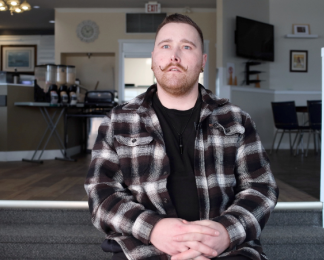
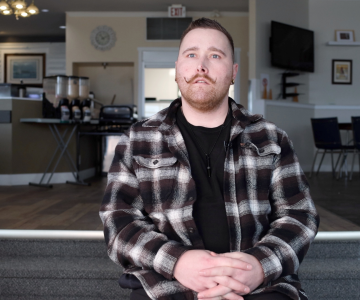
In this next story of our series on the incredible health-care and hospital foundations throughout our region, we interviewed Ian Lindsay, chief executive officer of the South Okanagan Similkameen (SOS) Medical Foundation.
How long have you been with the Foundation?
November 1, 2024 is my one-year anniversary with the South Okanagan Similkameen (SOS) Medical Foundation.
Tell us about the focus of your Foundation and why what you do is important.
Ian: The Foundation’s goal is to foster a strong partnership between Interior Health (IH) and the communities of the South Okanagan - Similkameen, including Keremeos, Oliver, Osoyoos, Penticton, Princeton and Summerland.
We actively engage with community members to understand their health-care needs while working with IH on how best to provide solutions. The work is important as it allows individuals within our communities to have a voice to ensure that local concerns are heard. Government funding streams don’t always cover the specific needs in our communities. Due to our community relationships, we can fundraise for specific medical equipment and services to ensure the health care is available locally.
Our current focus is to raise $10 million for the Oncology Campaign. This $23 million project, scheduled to be complete mid-2025, will increase and improve oncology care at Penticton Regional Hospital (PRH), allowing more patients to stay closer to home with the support of their loved ones during treatments.
We are always looking for ways to improve health care, from purchasing a new CT Scanner, to cutting wait times in the region, to renovating the Oliver and Princeton Emergency Departments. In areas with lack of staff, we aim to give health-care workers the tools they need to make their jobs more efficient and impactful. In Princeton, we invested in a LUCAS machine, a specialized chest compression system designed to perform CPR on patients so health-care staff can have the time carry out other lifesaving duties.
Why did you become part of the Foundation?
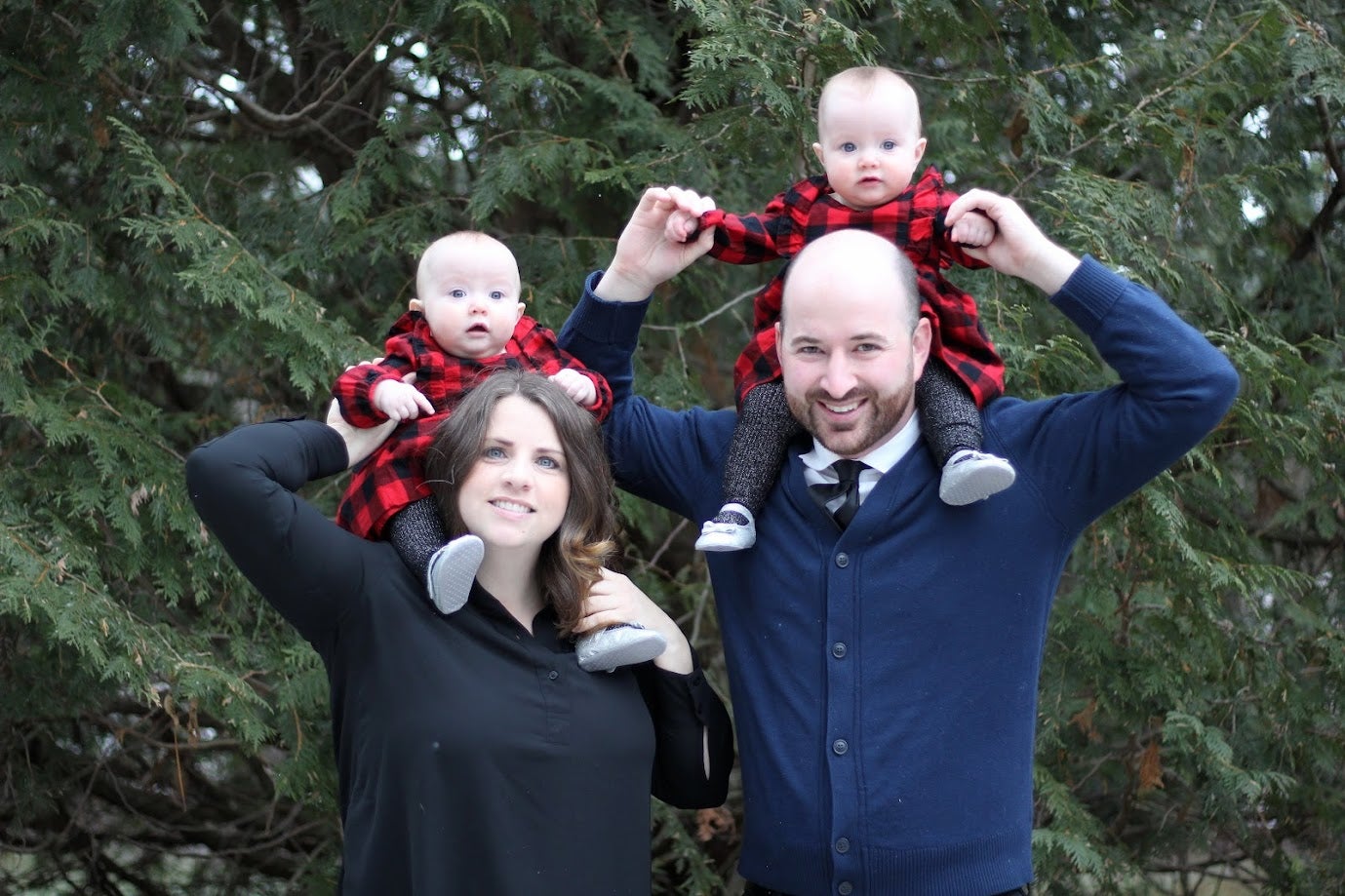
Ian: Six years ago, I experienced the profound impact of health care firsthand while living in Edmonton. My wife and I were blessed with twin daughters, but our journey took a challenging turn the day they were born. After holding my first daughter, I reached for my second, only to learn from the medical staff that she was too small and weak to breathe on her own. Instead of embracing my new family, I watched as my daughter was taken away for urgent care.
Thankfully, we had an incredible team of health-care professionals who saved her life, but we spent the next three weeks in the neonatal intensive care unit (NICU). Instead of holding my daughters, I sat watching them hooked up to machines, witnessing their struggles enclosed in specialized NICU cribs. Although they were getting the care they needed, equipment like biliblankets—a phototherapy device used to treat neonatal jaundice while being held—could have made a difference.
During this time, I met a family who had already lost one child and faced uncertainty with their second. This experience was life-changing for me as it showed me the impact of health care, while giving me an inside glimpse to the amazing health-care workers and how many specialized tools required to do their job. Like any parent, I would do and pay anything to protect my children, but sometimes we realize the need for resources when it’s too late. Now that I am in this role with the Foundation, I have been given the chance to work and raise funds to help prevent losses and emergencies down the road.
Give to your passion. Give your time, or give financially, or give your talents to what you are passionate about in the community. For me, I believe in the work we do, and I hope those who are able will support it.
Do you have any favourite fundraising campaigns current and past?
Ian: There are a few campaigns that are very dear to my heart. Before I started this role, I read the Foundation had used donor money to purchase a biliblanket, and my heart sank. That piece of equipment would have been life changing for my family when my daughters were born.
The Oncology Campaign at Penticton Hospital is a major focus for our team. Like for many people, cancer is a personal issue for me as it runs in my family. During my first visit to the oncology centre, I witnessed the limited space for patients and treatments and the campaign instantly took on a new meaning for me.
I’m excited about completing the campaign by 2025. Once it’s finished, I look forward to more fundraising to bring in new technologies to enhance our hospital’s capabilities.
Is there a particular donation over the years that stands out?
Ian: I have been lucky to witness thousands of donations since starting this role, and learning everyone’s reason to give has been extremely rewarding. It’s hard to pick just one donation that stands out. All the donations from service clubs and auxiliaries are truly amazing. Small groups and individuals have really made an impact on the South Okanagan Similkameen region - groups of 20 or so have donated hundreds of thousands, from thrift store volunteers to pancake flipping, to legion meat draws. There are so many pockets of volunteers who are putting in time and making a big difference.
What is the SOS Medical Health Foundation’s total donations to IH to date?
Ian: The Foundation has run some very successful campaigns. I would like to highlight that over the last five years alone, we have donated more than $20 million.
Other stories in this series
Check out more stories like this
IH’s Healthy Community Development team worked with student nurses to help local governments make breastfeeding more supported and welcomed in communities.
/stories/breastfeeding-toolkit-helps-cities-support-inclusive-spaces
Talking to your teens about drugs shows you care they make safe choices—it doesn't encourage drug use. Here's how to have talks with an open heart and mind.
/stories/how-talk-teens-about-drugs-and-other-substances
Cottonwoods Care Centre coordinator Lia Sambrielaz has been sharing small acts of kindness at IH for 37 years.
/stories/we-are-ih-coordinator-motivated-help-long-term-care-clients
Our 9-part video series teaches about the purpose and importance of advance care planning (ACP) and why it gives peace of mind to you and your loved ones.
/stories/lets-talk-about-advance-care-planning-your-voice-your-choice
A funding initiative is helping the Cariboo Chilcotin Métis Association (CCMA) grow food security in ways that reflect knowledge, culture and community needs.
/stories/funding-helps-williams-lake-metis-community-support-food-security
Meghan Johnston became a registered psychiatric nurse after watching people struggle to navigate the health-care system and witnessing the barriers they faced.
/stories/we-are-ih-psychiatric-nurse-finds-meaning-crisis-team-role
STAY CONNECTED
Receive news, alerts, public service announcements and articles right to your inbox.