Grand Forks doctor’s addiction medicine program making an impact
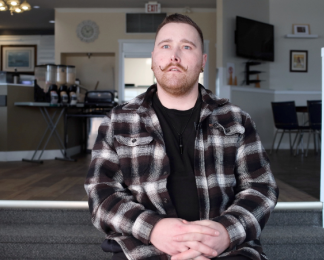
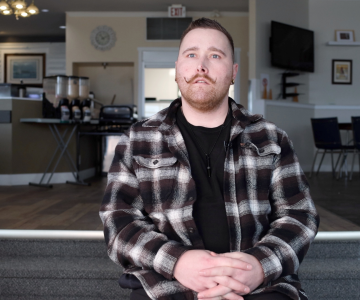
Dr. Mark Szynkaruk—known simply as Dr. Mark to his patients—is a family doctor based in the small town of Grand Forks. A graduate of the University of Toronto’s medical school, he came to the Kootenay Boundary region over a decade ago as part of the first cohort of UBC’s newly-launched rural family medicine residency. He was drawn to the variety of work that medicine in a small, rural town offers and knew early on he wanted to work in addiction medicine.
Today, his practice encompasses emergency, general medicine, long-term care, pediatrics, geriatrics and the addiction medicine program.
In 2020, he was recognized with the patient-nominated My Family Doctor Award for the Interior Health region, one of five doctors recognized B.C.-wide.
We chatted with Dr. Mark about how he became interested in addiction medicine, the changes he has seen since he launched the program, and what he wants people to know about addiction.
Interior Health (IH): How did you get started in addictions work?
Dr. Mark: I came to Grand Forks about a decade ago as a medical student and later a resident. As much as I like to say I chose Grand Forks, Grand Forks chose me.
When I inherited my family practice, I had dozens of patients on long-term opioids with really no toolbox on how to manage their doses or address underlying issues. It became clear that this wasn’t just a chronic pain problem. Addiction and unmet psychiatric and emotional needs were driving opioid use. That was my first interest.
The second reason was I bought property in the downtown core and experienced petty theft firsthand. I got to know some of the street-entrenched individuals and asked them what drives their stealing. The common answer was basically withdrawal and not being able to afford the next dose. Some resort to sex work to obtain their drugs. People are really desperate.
Starting an addiction medicine program made sense in a small community like ours, where we could make a tangible impact.
Over time, we saw a dramatic decrease in petty theft, and I’ve witnessed powerful success stories of people breaking cycles of addiction because they could stabilize on medication.
IH: What do you do in your clinic in Grand Forks?
Dr. Mark: As a GP here, I do everything: emergency, inpatient, long-term care, pediatrics and geriatrics.
I run the addiction medicine program with a colleague out of the Mental Health and Substance Use office. We have a strong team of nurses, clerks, mental health counsellors, and a nurse prescriber who’s been a huge asset to us.
That role took nearly two years to develop, but now patients can access care more flexibly. The reality is that people who use drugs regularly don’t show up between 10 a.m. and 4 p.m. on Thursday, for example.
IH: How does rural practice differ from urban settings?
Dr. Mark: In a small town, you see the first-order effects of your decisions: it’s a small ecosystem. If a prescription gets diverted, you’ll hear about it quickly, sometimes from the person themselves. That accountability shapes how we practise.
I run the main clinic downtown, and everybody knows me. When I walk around town with my kids, or go for a bike ride, my patients say hi. There’s trust.
IH: What do wraparound supports mean in practice?
Dr. Mark: We know that people do best when there’s wraparound supports. But for those to work, you also need trust and accountability.
For people to succeed, they need that accountability, along with structure and consistency: regular check-ins, mental health counselling, housing support, and a stable relationship with health-care providers they trust. They need a routine and regimen. They need to feel safe and listened to.
Every time I’ve loosened expectations or tried shortcuts, it hasn’t worked. If you come back to the bread and butter of what people need in their addictions journey, It's that they need trust. Fancy new medications and therapies won’t solve addiction without those fundamentals.
From my standpoint, what I’m doing is just getting on people’s level, relating to them and building that relationship.
IH: What misconceptions about addiction do you want to address?
Dr. Mark: The biggest myth is that addiction is simply a choice. Addiction is a disease, and most people who use opioids aren’t doing it for recreation—they’re trying to medicate emotional trauma. I think it's really important to understand that these are people and they're hurting. They're hurting in unimaginable ways. Addiction is a second-order effect of trying to medicate the trauma.
Many of my patients have histories of abuse, neglect, traumatic brain injuries or PTSD, or a combination of issues. Some come from foster homes or Indian Residential Schools. They’re struggling deeply with housing, psychiatric issues and unmet needs for a very long time, and they’re trying to medicate that pain. They’re deeply wounded individuals.
For them, opioids feel like a “big, warm chemical hug” that temporarily numbs emotional pain. That’s why trauma-informed care is so critical. It’s about looking them in the eye and meeting them where they’re at and trying to move them forward while holding them accountable.
IH: What would you say to people who feel frustrated or stigmatize those struggling with addiction?
Dr. Mark: Communities are fatigued and frustrated, resources are stretched, and the impacts are visible. Areas of towns are no longer accessible. Addiction affects the police and the fire departments and their burnout levels and PTSD. If affects families that want to go to the park or to the beach. I share these frustrations too.
But these are still people: sons, daughters, parents, siblings. Addiction doesn’t erase their humanity. Most are deeply wounded and coping the only way they know how.
We need to approach this with empathy and honesty, while also acknowledging that what we’ve been doing isn’t working. We keep finessing these downstream approaches but there isn’t a silver bullet solution there.
IH: If you could change one thing about how society addresses addiction, what would it be?
Dr. Mark: Invest in prevention. Let’s ensure we have a high trust society where people are educated, and we have an economy. People need vocations and careers, and need to be able to raise a family, and have access to affordable food and housing.
We spent billions during COVID, but we still can’t afford to have every kid playing an instrument or a sport or provide access to mental health education. Give kids outlets, competencies and coping skills early, and you’ll prevent the need to hand out a free pipe decades later.
IH: What does life look like for you outside of your practice?
Dr. Mark: My wife and I are incredibly connected to the tapestry of our town. We own the local junior hockey team, the Border Bruins. We donate and run the youth skating programs, and I help the city with other endeavours. You could say we’re at the arena a lot.
We’re very committed to the community and the people here have been committed to supporting our family.
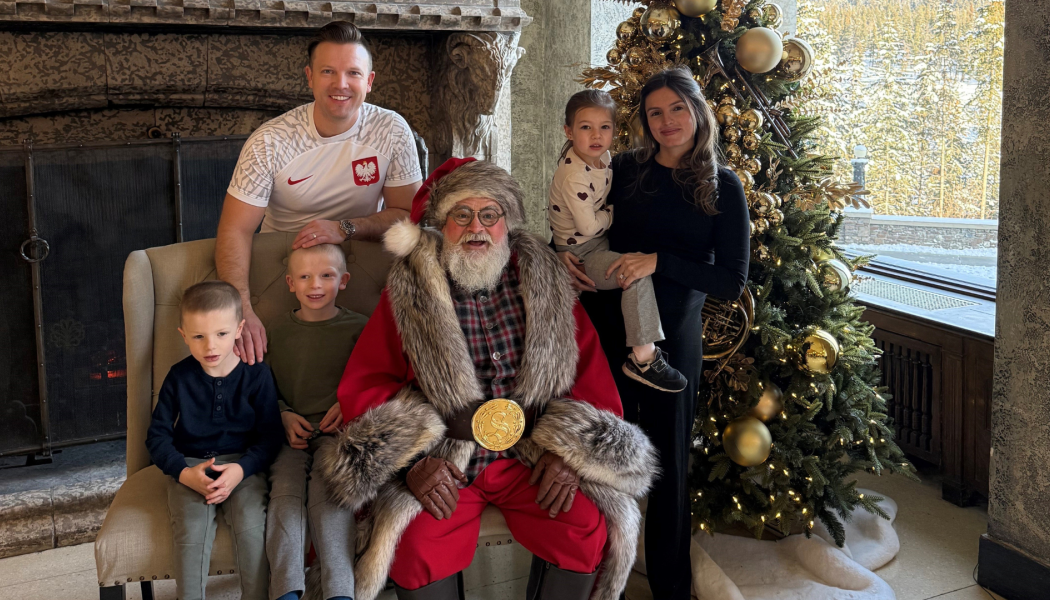
Outside of work, my main hobby is my vegetable garden. My kids Theo, Will and Aubrey help weed and play with the earthworms.
Check out more stories like this
IH’s Healthy Community Development team worked with student nurses to help local governments make breastfeeding more supported and welcomed in communities.
/stories/breastfeeding-toolkit-helps-cities-support-inclusive-spaces
Talking to your teens about drugs shows you care they make safe choices—it doesn't encourage drug use. Here's how to have talks with an open heart and mind.
/stories/how-talk-teens-about-drugs-and-other-substances
Cottonwoods Care Centre coordinator Lia Sambrielaz has been sharing small acts of kindness at IH for 37 years.
/stories/we-are-ih-coordinator-motivated-help-long-term-care-clients
Our 9-part video series teaches about the purpose and importance of advance care planning (ACP) and why it gives peace of mind to you and your loved ones.
/stories/lets-talk-about-advance-care-planning-your-voice-your-choice
A funding initiative is helping the Cariboo Chilcotin Métis Association (CCMA) grow food security in ways that reflect knowledge, culture and community needs.
/stories/funding-helps-williams-lake-metis-community-support-food-security
Meghan Johnston became a registered psychiatric nurse after watching people struggle to navigate the health-care system and witnessing the barriers they faced.
/stories/we-are-ih-psychiatric-nurse-finds-meaning-crisis-team-role
STAY CONNECTED
Receive news, alerts, public service announcements and articles right to your inbox.