Due to factors such as extreme heat and ongoing dry conditions, there is a risk of wildfires in the Interior Health region this summer. Exposure to wildfire smoke can lead to a range of health effects, including throat and nose irritation, worsening of lung and heart conditions, and premature death.
There are many steps you can take to reduce exposure to wildfire smoke and protect your health.
Check the air quality
You can detect wildfire smoke by seeing or smelling it, though your senses don't always give the full picture of how safe the air is. Use these tools to get a clearer picture:
- Air Quality Health Index (AQHI): Hourly estimates of air quality for eight communities in IH, providing advice for outdoor activities
- AQ Map: A map of monitoring stations across the country. If your community has sensors, you can see an estimate of the air quality and link to advice for outdoor activities
- Air Quality Alerts: Sign up to receive notifications so you’re not caught off guard.
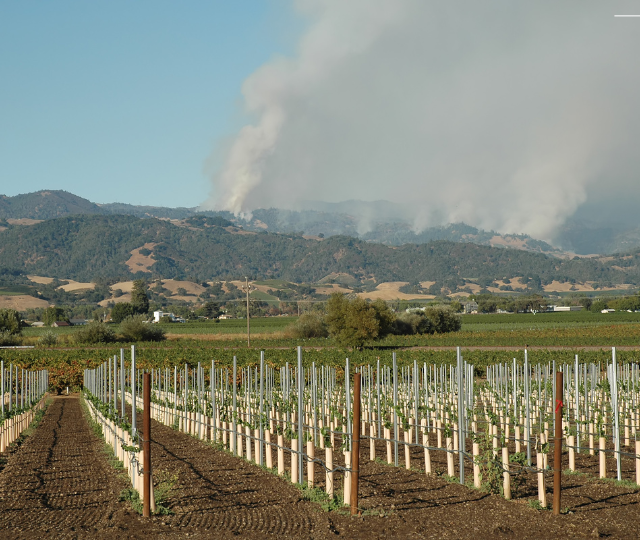
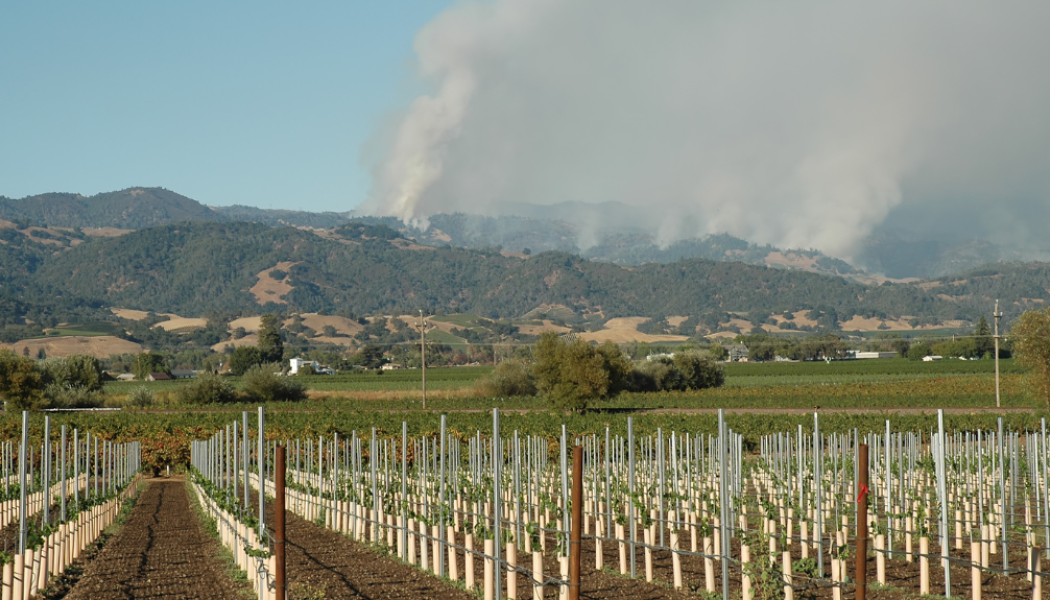
Where monitors aren’t available, a visibility check can help; if you can’t clearly see hills or landmarks, you’d normally spot, smoke concentrations are likely elevated. Keep in mind that smoke can vary a lot over short distances and change quickly, so visibility is a rough guide only.
We will also share air quality updates on social media during smoke events. Follow us to stay informed:
Stay inside and reduce your exposure at home
When air quality is poor, limit time outdoors and keep windows and doors closed. Designate one room in your home as a clean air spot — run a portable HEPA air cleaner there to keep smoke particles down. No purifier? You can build an effective DIY version with a box fan and furnace filter. Additionally, avoid other indoor air pollutants such as combustible tobacco or vapes, heating with wood stoves, burning candles, etc.
When smoke and heat hit at the same time, cooler and cleaner indoor air is the best protection. Work towards optimizing the heating and ventilation system for your home, as you are able. But if you can’t access both, prioritize staying cool. For most people at risk, overheating poses a bigger health risk than wildfire smoke. This may mean opening a window to manage temperature even if it’s smoky outside.
Use N95 respirators
A well-fitted N95 or KN95 respirator is the most effective personal protection against wildfire smoke. Cloth and surgical masks don’t filter fine smoke particles — N95s do. They’re also appropriate for older children who can put them on and take them off independently. Fit matters: the mask must seal against the face with no gaps to work properly. Outdoor workers should follow WorkSafe BC guidance on smoke-related workplace safety.
Take extra care if you're in a higher-risk group
Smoke affects everyone, but these groups face higher risk of serious effects:
- People with asthma, COPD, heart disease, or other chronic conditions
- Older adults and seniors
- Infants, young children, and pregnant people
- People who are unhoused or socially isolated
- Outdoor workers
If you have a chronic condition, review your self-management plan and stock up on rescue medications before wildfire season peaks.
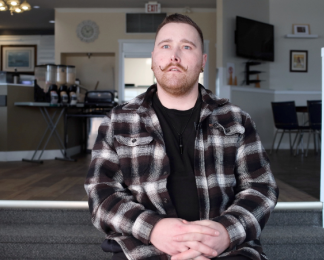
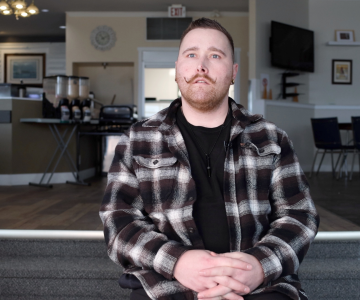
Follow the advice of medical health officer Dr. Sue Pollock
In the following videos, medical health officer Dr. Sue Pollock talks about air quality, tips to reduce risk and how smoke affects you.
“Everybody can be affected by poor air quality and by wildfire smoke. You may experience irritated eyes, a runny nose, or a scratchy or sore throat. Those are early symptoms. When you should start to be concerned is if you are experiencing shortness of breath, heart palpitations or chest pain, or just feel generally unwell. That’s the time to seek medical care or talk to your health-care provider.”
More resources
- Visit the BCCDC wildfire smoke webpage to learn more about the health effects of wildfire smoke, how to prepare for wildfire season, and more.
- For other steps to create cleaner air space at home, check out Health Canada’s online resource Guidance for Cleaner Air Spaces during Wildfire Smoke Events.
- Watch how you can build a do-it-yourself DIY air cleaner or download this guide.
- To learn about the steps that you can take to prepare for a wildfire and manage wildfire-related issues before, during or after a wildfire please visit our wildfires webpage.
- Call 8-1-1 or your primary care provider if you're experiencing more severe symptoms, such as shortness of breath or chest pain, or 9-1-1 if it's a health emergency.
Other stories in this series
Check out more stories like this
Travel nurses Michaela and Nick moved from Ontario to B.C., finding careers, community and a new home in Coldstream.
/stories/travel-nursing-brings-ontario-couple-new-home-coldstream
By sharing his story, Dave hopes others struggling with addiction understand that recovery is possible and that support is available.
/stories/what-worked-me-daves-healing-journey-addiction
For IH, wildfire preparedness is shaped by years of experience, regular training, exercises, inventories and relationships with partners across the region.
/stories/ih-prepares-wildfire-season-long-smoke-arrives
IH’s CMH redevelopment team travelled around Cariboo to reconnect with Indigenous communities and share how their input is shaping the hospital's new building.
/stories/closing-circle-indigenous-communities-shaping-future-cmh
Chris Turner turned to addiction as a teenager, but through his recovery has become a mentor to give hope to others battling addiction.
/stories/what-worked-me-chriss-focus-daily-skills-helps-recovery
Find tips for walking, biking or rolling to school safely. Learn how to make it safer to travel to school in your community.
/stories/how-walk-bike-or-roll-school-safely
STAY CONNECTED
Receive news, alerts, public service announcements and articles right to your inbox.