If you or someone you know has experienced sexual assault, help is available at your closest emergency department.
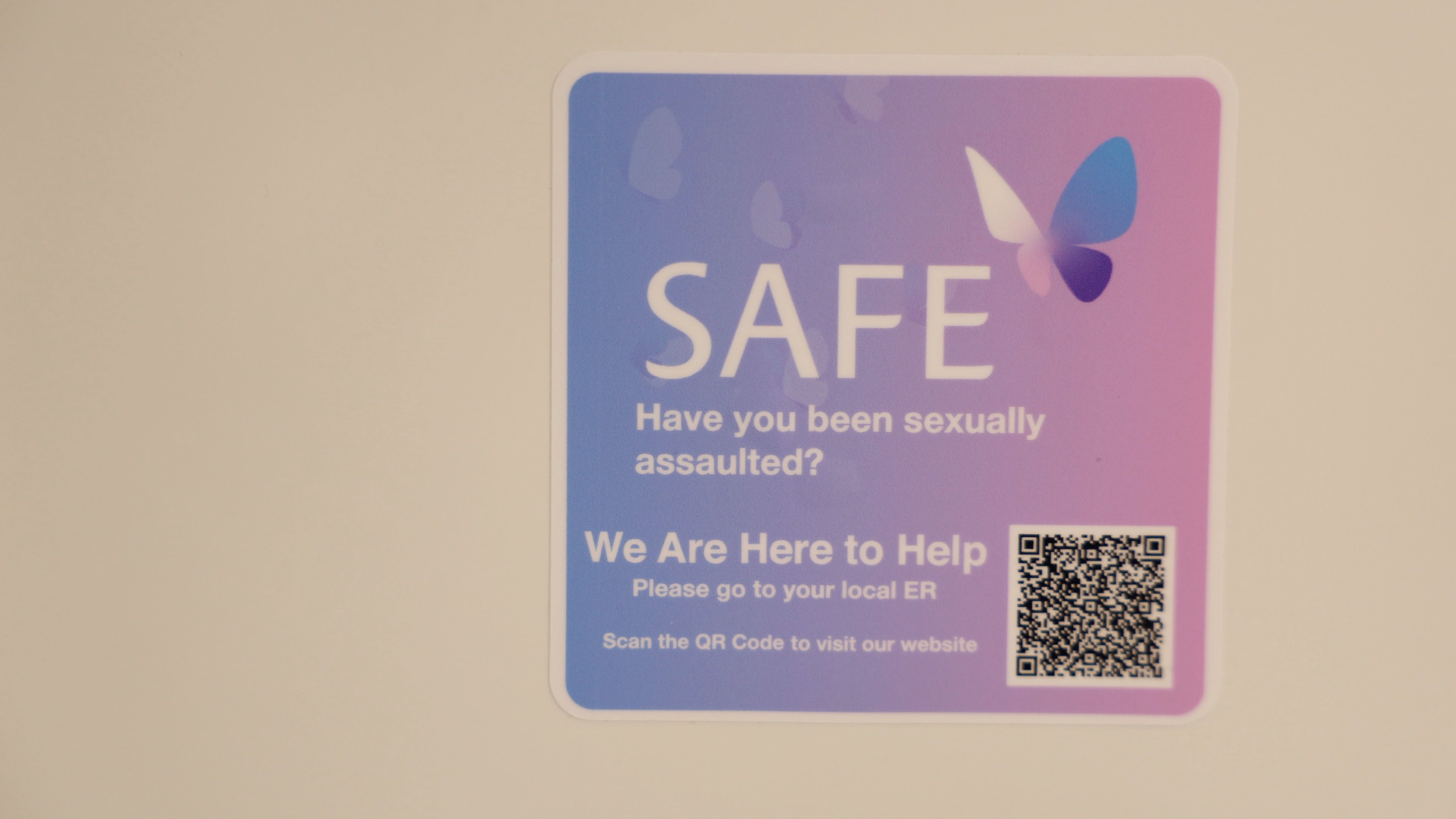
The Interior Health (IH) Sexual Assault Forensic Examination (SAFE) Program offers a compassionate, confidential and supportive environment for those who have experienced sexual violence. This program ensures patients receive immediate medical and forensic care, regardless of whether they wish to report the assault to the police.
What is sexual assault?
Sexual assault is when someone touches your body in a sexual way without your consent (including when you’re unable to consent, for example if you’re unconscious or intoxicated). It includes all unwanted sexual acts, such as kissing and fondling, not just intercourse or oral sex.
Sexual assault is not about sex. Nor is it about the survivor fighting back during an assault. It’s an act of violence and can happen to anyone regardless of age or gender.
Among violent crimes, sexual assault is the only crime that isn’t declining. Sexual assault also remains one of the most underreported crimes in Canada: one report estimates that only six per cent of sexual assaults are reported to police. Of those who report, 90 per cent of victims are women and girls.
Choices in care create safety and help in recovery
SAFE is available through IH’s 29 emergency departments across the region.
“We want patients to know, first and foremost, that they have choices in the care that they receive,” says Kathleen Nicholson, a lead for SAFE, Emergency Services Network. “Patients choose what’s best for them, and they should know a police report is not required to access SAFE services.”
When a person arrives at the hospital, they’re seen by a health-care team that may include nurses, doctors and social workers. The team ensures the patient is fully informed about their options for care. All care decisions are their choice, and the team will support whatever they choose.
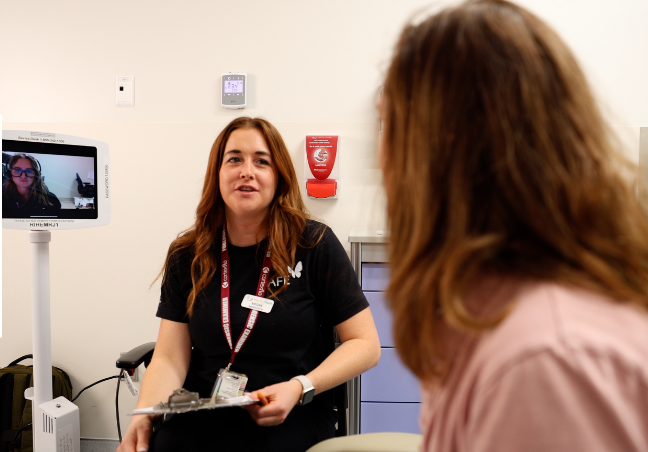
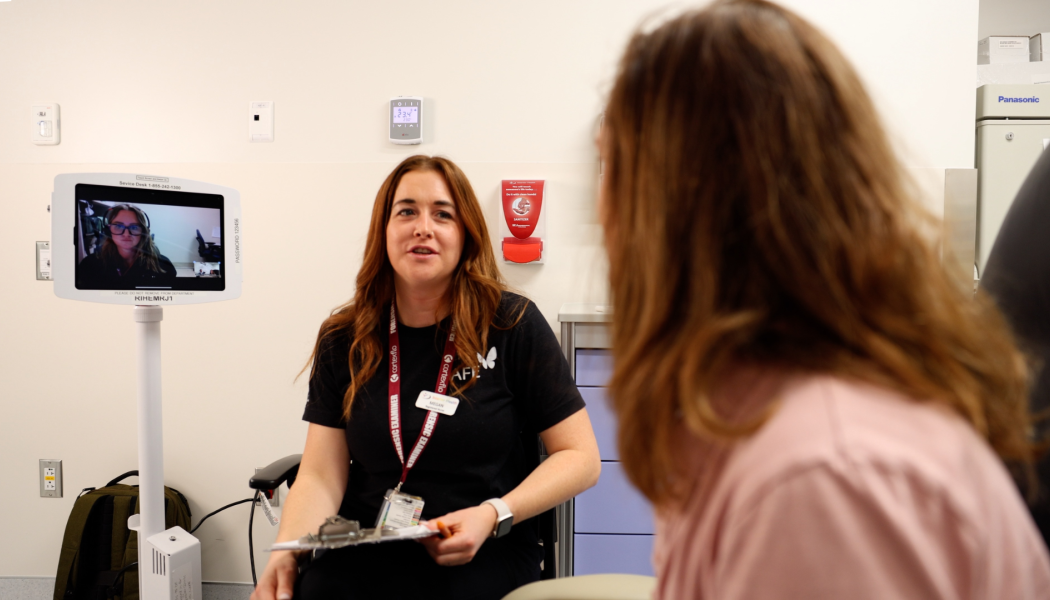
“Our forensic examiners are specially trained to provide in-person care and receive more than 40 hours of training. In hospitals which don’t have an on-site examiner, an emergency room nurse or doctor connects to a trained examiner through TeleSAFE, IH’s secure virtual video call service,” explains Kathleen.
Patients are always provided medical care. They can also choose to have a forensic examination during which evidence is collected. This evidence can either be given to the police or stored for up to one year to allow the patient time to consider their options.
“SAFE gives our patients the best possible opportunity for a criminal justice response,” adds Kathleen. “Supporting them on this journey also helps support their recovery after an assault.”
What happens during a SAFE exam
The exam typically takes two to four hours and involves the collection of evidence, which could include swabs, photographs and documentation. Patients can bring a support person with them to the examination, and in some cases, a community or hospital-based advocate can come as well.
The health-care team makes sure options and support are offered throughout the exam. Patients don’t have to make any decisions during the exam that they are not ready for.
Where to go if you have been sexually assaulted
If you or someone you know has been sexually assaulted:
If you are in immediate danger, call 911.
If you are not in immediate danger:
- Contact one of the following 24-hour crisis/information lines (toll free)
- Interior Crisis Line: 1-888-353-2273
- Salal Sexual Violence Support Centre: 1-877-392-7593
- VictimLinkBC: 1-800-563-0808
- Visit your nearest emergency department
Support beyond the hospital
Sexual assault can affect people physically, emotionally, mentally and spiritually. Beyond the hospital, provincial resources accessible by phone offer support, some 24 hours a day, seven days a week. These organizations can also direct people to support and care in their communities.
- Aboriginal Crisis Line: 1-800-588-8717
- BC Society for Male Survivors of Sexual Abuse: 1-604-682-6482
- Crisis Intervention and Suicide Prevention Centre of BC: 1-800-784-2433
- Kids Help Phone: 1-800-668-6868
- Human Trafficking Hotline: 1-833-900-1010
- Qmunity Resource Centre: 1-604-684-5307
Local area resources are available through your local hospital emergency department, or using the EVA BC Service Directory
Check out more stories like this


Travel nurses Michaela and Nick moved from Ontario to B.C., finding careers, community and a new home in Coldstream.
/stories/travel-nursing-brings-ontario-couple-new-home-coldstream
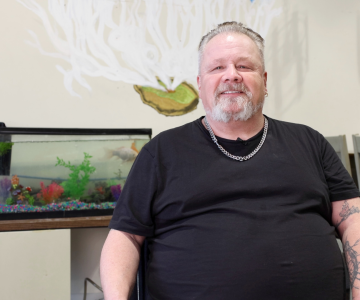
By sharing his story, Dave hopes others struggling with addiction understand that recovery is possible and that support is available.
/stories/what-worked-me-daves-healing-journey-addiction
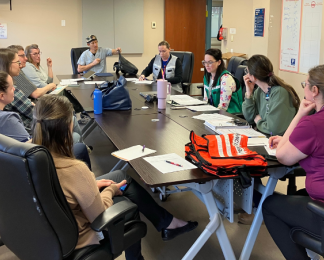
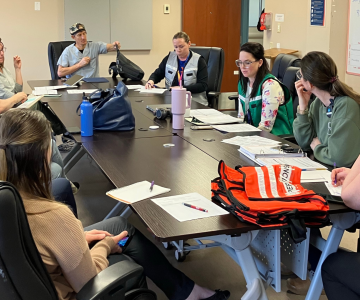
For IH, wildfire preparedness is shaped by years of experience, regular training, exercises, inventories and relationships with partners across the region.
/stories/ih-prepares-wildfire-season-long-smoke-arrives
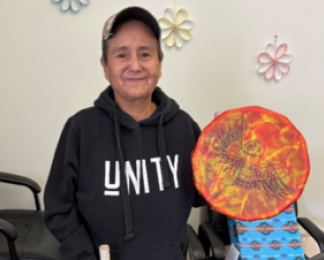
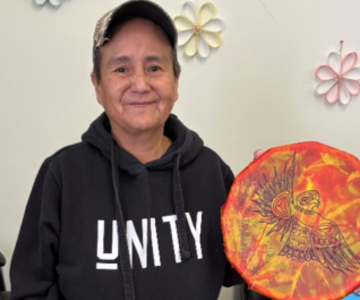
IH’s CMH redevelopment team travelled around Cariboo to reconnect with Indigenous communities and share how their input is shaping the hospital's new building.
/stories/closing-circle-indigenous-communities-shaping-future-cmh
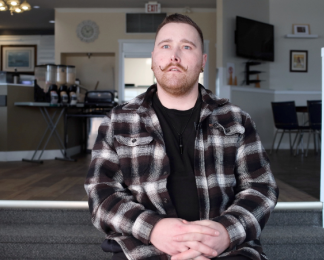
Chris Turner turned to addiction as a teenager, but through his recovery has become a mentor to give hope to others battling addiction.
/stories/what-worked-me-chriss-focus-daily-skills-helps-recovery
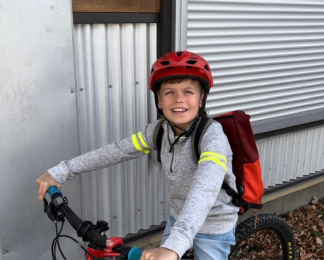
Find tips for walking, biking or rolling to school safely. Learn how to make it safer to travel to school in your community.
/stories/how-walk-bike-or-roll-school-safely
STAY CONNECTED