
Breadcrumb
Drought
Learn what steps you can take to prepare for drought, and respond during an active drought. Stay on top of current drought conditions.
What is drought?
Drought is a period of drier-than-normal conditions caused by less rainfall or snowpack than usual over extended periods. Drought reduces water availability for drinking, sanitation and food production.
Drought impacts communities, ecosystems and public health. With climate change bringing longer, hotter and drier summers to the B.C. Interior, the frequency and severity of drought is expected to increase. This reality makes drought preparedness an ongoing priority.
How drought affects health
- Drinking water quality and availability. Lower reservoir and groundwater levels can make water harder to treat. As source water decreases, contaminants including bacteria, viruses, protozoa, and heavy metals can become more concentrated. This raises the risk of waterborne illness such as norovirus, cryptosporidium and E. coli. Private wells can run dry or suffer from poor water quality. Wells near the coast or large water bodies may become contaminated.
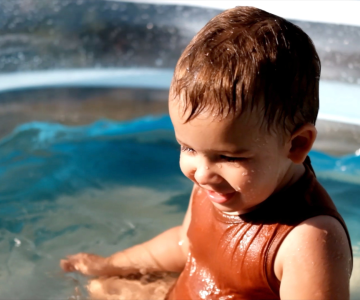
- Recreational water safety. Warmer, shallower water creates conditions where harmful algae and bacteria can thrive, making lakes, rivers and beaches unsafe for swimming. Shallower water also increases the risk of brain and spinal cord injuries from diving and jumping.
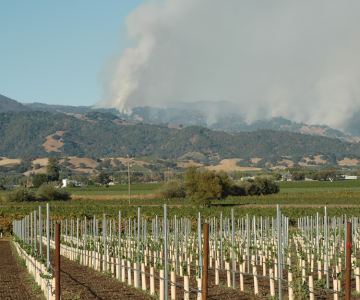
- Wildfire and air quality. Dry conditions can allow wildfires to ignite more easily and spread more widely. Drought can also reduce the water available for firefighting. Dust can increase as land dries out, contributing to respiratory and allergic conditions.
- Food security. Insufficient irrigation, hardened soil and reduced stream flows threaten local food systems and species such as salmon.
- Mental health. Water scarcity, uncertainty about supply, and the stress of drought can negatively affect mental health and community wellbeing. Those in agriculture or with livelihoods dependent on natural resources may experience compounding pressures.
Who is most at risk?
People with chronic illness (cardiovascular disease, respiratory conditions, immune-suppressing conditions), older adults, infants and young children, pregnant people, people experiencing poverty or food insecurity, and those in rural or remote areas, including those on private wells or small community water systems, face greater health risks during drought.
Preparing for drought
The steps below can be taken year-round and can help reduce risk when drought arrives.
- Conserve water year-round: fix leaks promptly, install low-flow faucets and toilets, consider installing a rain barrel for non-potable outdoor use
- Reduce outdoor water use: choose drought-tolerant landscaping (xeriscaping), water in the early morning or evening, use drip irrigation, and mulch garden beds to retain moisture
- Know your water source, whether municipal, private well or small community system, and understand how it could be affected during drought
- Prepare for related hazards: review guidance on extreme heat and wildfire smoke, which often coincide with drought conditions in the Interior region
- For more water-saving tips, visit the BC Government's Drought preparation and response
- Install equipment to monitor water levels so you can adjust use before your well runs low.
- If your well has run dry in the past or is currently running low, consult Best Practices for Groundwater Wells Going Dry and Drought Preparation
- Wells near lakes, rivers, or the coast may be at risk of contamination, see Best Practices for Prevention of Saltwater Intrusion
- Review HealthLink BC guidance on well water testing to understand what to test for and when
- For more information on well water safety visit Private wells in a changing climate: Keeping drinking water safe
Responding during active drought
When drought conditions intensify, local authorities may issue advisories or restrictions. The following steps apply when conditions are active:
- Follow water restrictions issued by your local government, First Nation or water utility. Restrictions may apply to outdoor watering, vehicle washing, and other non-essential uses
- Check for current boil water or water quality advisories before drinking tap water. Visit Interior Health Water Advisories
- Check beach water quality reports before swimming in lakes and rivers. Visit Public Beaches
- If your private well water appears discoloured or cloudy, this may indicate low supply or contamination. Visit Drinking Water
- Connect with your local government or First Nation to find out about emergency supports
- Visit Drought preparation and response for response guidance from the B.C. Government
- Visit Drinking Water Providers & Operators for information on emergency response for drinking water operators
Watersheds and source water protection
A watershed is an area of land that collects rain and snowmelt and drains it into a common outlet e.g., a stream, river, lake or aquifer. Everything that happens on that land affects the water that flows from it. Healthy, intact watersheds filter water naturally, regulate flow, and buffer against drought by storing water in soils, wetlands and snowpack.
When watersheds are degraded through development, land clearing or pollution, their capacity to provide clean, reliable water diminishes.
Source water protection means safeguarding the lakes, rivers, streams and aquifers that supply our drinking water before it reaches a treatment plant or a well. Protecting source water at the watershed level is among the most effective ways to maintain drinking water quality. In the context of drought, protecting watershed health also helps sustain reliable water quantity over time.
Protecting watersheds does more than support drinking water. It helps maintain the land, plants and animals that depend on it. Our health is closely connected to the health of the natural world around us. When we protect watersheds, we are also supporting food systems, cultural connections to the land, mental well-being and community resilience.
For more information on source water protection in BC, visit BC Government Source Water Protection.
Kathleen Johnson cares full-time for her 88-year-old father, Don. Apple Valley Adult Day Services gives her much-needed respite a few days each week.
/stories/adult-day-services-supporting-father-daughter-their-own-social-outings
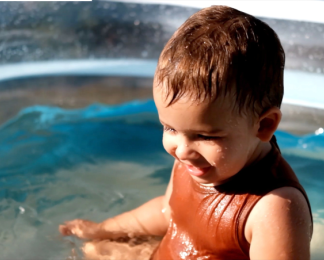
Keep you and your loved ones safe with these tips to prevent drowning when enjoying water activities.
/stories/how-enjoy-lakes-pools-and-rivers-safely-summer
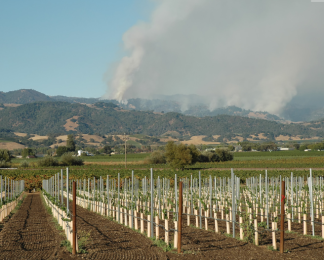
Learn about the many steps you can take to reduce exposure to wildfire smoke and protect your health.
/stories/tips-protect-yourself-poor-air-quality-wildfire-smoke
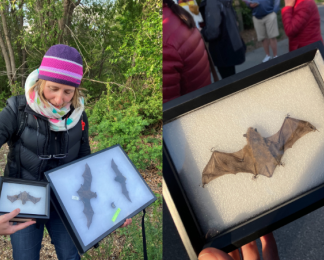
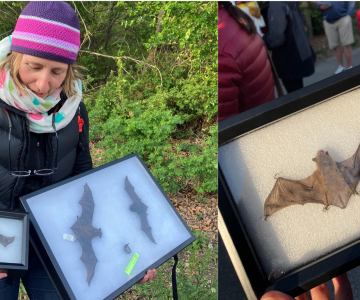
Bats play an essential role in our ecosystem, but can carry diseases like rabies. Learn the steps to take if you come in contact with a bat, alive or dead.
/stories/what-you-need-know-about-bats-and-rabies

After 16 years in the UK, nurse Chinenye “Phina” Uwakwe chose Interior Health and Vernon, B.C., for a new chapter in her nursing career.
/stories/uk-nurse-moving-vernon-looks-forward-new-chapter
For more than 21 years Tracy Mooney has contributed heart, expertise and unwavering commitment to Interior Health.
/stories/we-are-ih-indigenous-lead-values-balance-wellness-family-time
STAY CONNECTED

Receive news, alerts, public service announcements and articles right to your inbox.