Foundation spotlight series: Revelstoke District Health Foundation
Foundations in the Interior Region raise funds that support medical equipment, care needs, and innovative local initiatives in their communities. Each organization includes respected community leaders, volunteers and staff who are passionate about meeting the needs of patients and families in Interior Health. Thanks to the generosity of their supporters, we all have a stronger health system.
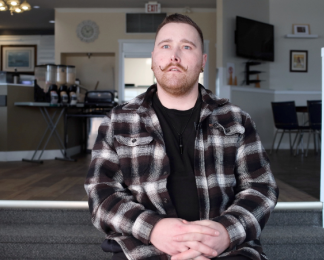
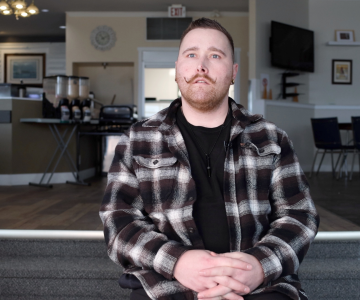
In this first story of our series on the incredible health-care and hospital foundations throughout our region, we interviewed Steven Hui, chair of the Revelstoke and District Health Foundation.

How long have you been with the Revelstoke and District Health Foundation?
Steven: I’ve been a director with the Revelstoke and District Health Foundation (RDHF) since 1991 and became chair in 2016.
Tell us about the focus of your Foundation and why what you do is important.
Steven: Our strength is the ability to create partnerships and collaborations within the community. Often projects need multiple sources of funding. The Foundation can move quickly and address community urgent needs.
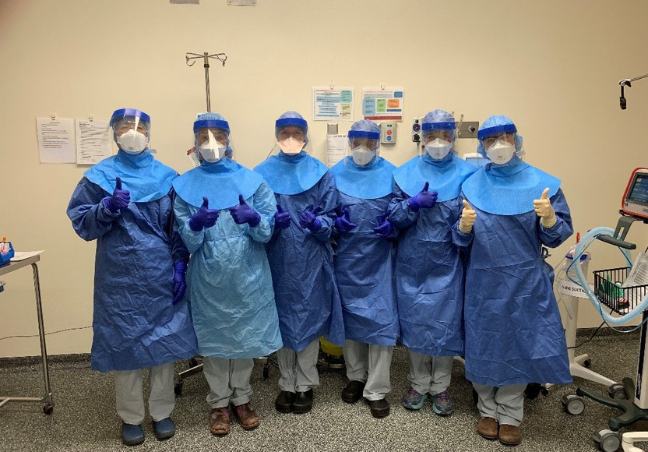
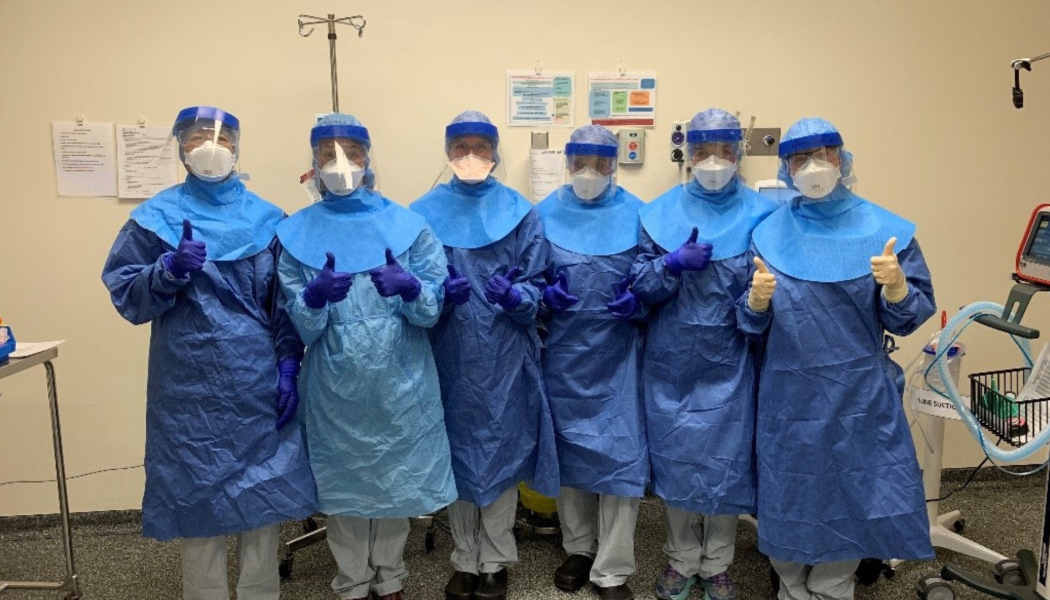
At the onset of COVID, the Foundation facilitated the manufacture of protective masks/neck guards by engaging a local manufacturer of shade sails using their staff of seamstresses. We also provided financial support to non-profit organizations to purchase disinfectant and personal protection equipment. To reduce the risk of spread of COVID, we launched a community-wide public education campaign.
The small population, geographic location and accessibility create challenges for Revelstoke and district residents and visitors to access the medical care in a timely manner. Looking for opportunities to expand the scope of medical services within our community has been the most challenging, but then it provides the most gratification.
Most people are willing to support a good cause: it has been proven time and time again we are a caring society. When we tell someone about a project, we have an opportunity to educate a person about the work of the Foundation.
We also strongly believe in our scholarships and bursaries in medical field studies. Education and the support for persons entering the health industry translates into more accessibility and quality of care.
Do you have any favourite fundraising campaigns current and past?
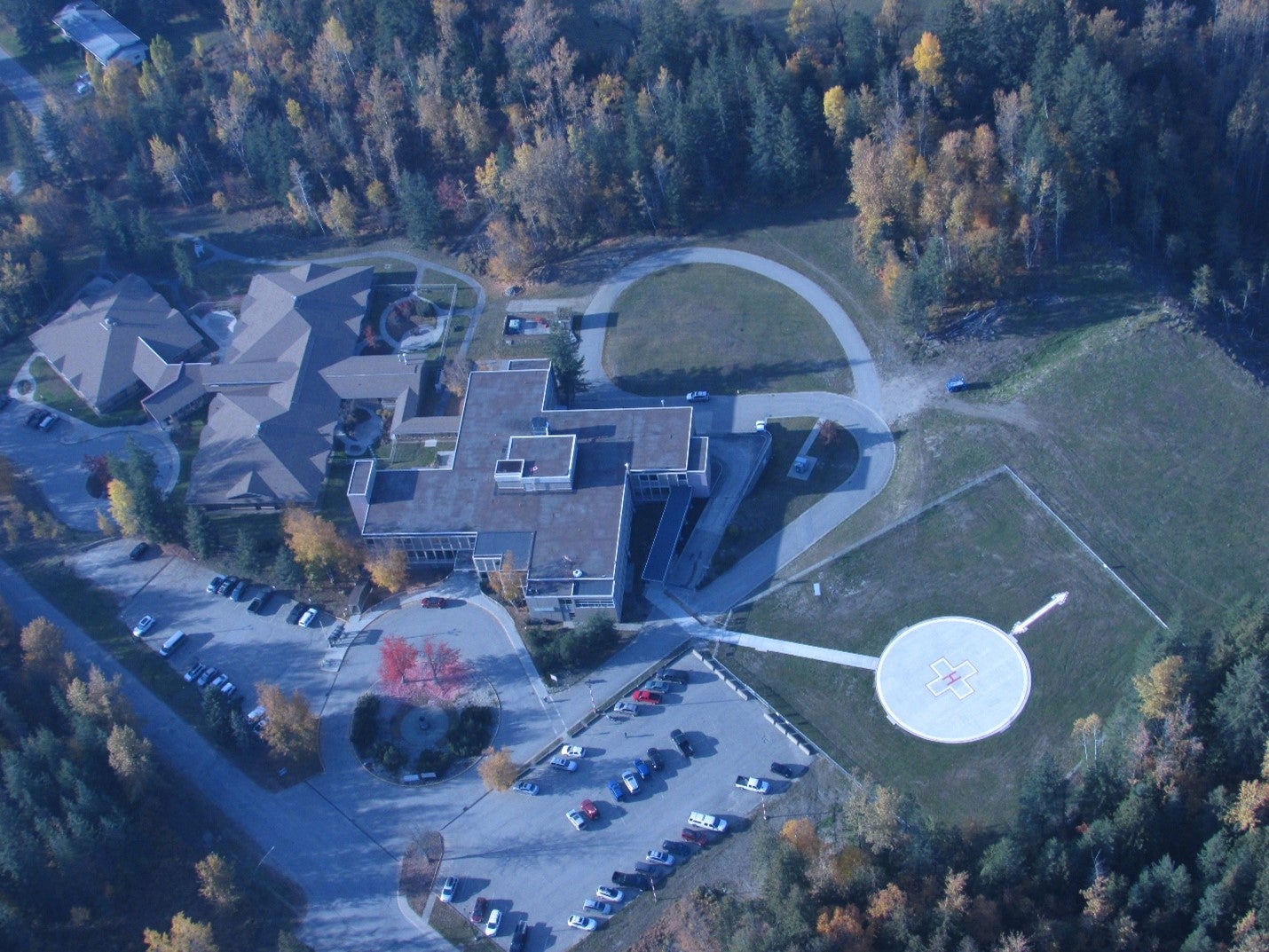
Steven: The fundraising campaign and the construction of the Queen Victoria Hospital helicopter landing project in 2017 stands out as our most successful campaign. The project had an immediate impact by providing emergency transportation to those in greatest need.
Never hesitate to ask the question: ‘Can you help support the Health Foundation in some way?’ Of course, there are many times people will decline. But sometimes a willing volunteer will be the result.
The helipad was early in the planning stages when a long-time resident, Ed Deloughery, expressed great interest in supporting the project. He offered his knowledge from his career of working in construction. He passed away suddenly in 2016 and his family chose to have donations in lieu of flowers to be contributed to the helipad project. More than $60,000 was donated from family and friends in his memory thus forming the catalyst for the project.
The campaign raised more than $700,000 in cash and donations in kind in less than four months. The entire community—residents, visitors, businesses, non-profits and agencies—Columbia Shuswap Regional District Area B and the Province of BC stepped to the plate to bring this to fruition.
There is never a donation too small. We look at it as a gift given with the same sincerity and kindness as every other.
Another initiative was the purchase of the Rendever virtual reality (VR) system for our long-term care facility, Mount Cartier Court. The VR system allows residents to participate in 3D virtual tours to exotic places in the world. The Rendever purchase coincided with an upgrade of audio-visual equipment, including large screen TVs, computer hardware and projectors. This equipment allows livestream visits and social interaction with people outside of the care home, something that was essentially non-existent for long periods of time during COVID.
Is there a particular donation over the years that stands out?
Steven: In 2020, a local restaurant, Kawakubo Japanese Restaurant, had to shutdown for an indefinite period as part of the province-wide COVID lockdown. On their last day of operation, they donated all their sales— $9,793—towards the purchase of a portable ventilator for Queen Victoria Hospital.
Other stories in this series
Inspired by the strength and openness needed to care for families during one of life’s most transformative moments, Rachel pursued a career in health care.
/stories/we-are-ih-midwifes-journey-care
Hantavirus is a rare but serious disease caused by inhaling hantaviruses in old rodent droppings or urine. Learn how to protect yourself while cleaning.
/stories/cleaning-shed-attic-cabin-or-barn-protect-against-hantavirus
Living well at home as you grow older is possible with some forethought and planning. Explore IH services and community resources that support you in your home.
/stories/how-live-well-home-well-your-senior-years
Two new modular homes have arrived at Sunnybank Retirement Centre, marking a major step in the Town of Oliver’s Housing for Healthcare Workers Initiative.
/stories/new-modular-homes-oliver-support-health-care-workers
When Dr. Elena Schroeder decided to pursue medicine, her goal was to always learn and grow. Today, she’s a leader helping shape the future of health care.
/stories/we-are-ih-cranbrook-hospitalist-continues-learn-and-grow
If you’re concerned about your child’s communication skills, the earlier they see a speech-language pathologist, the better the outcomes—and it’s free.
/stories/your-child-never-too-young-see-speech-language-expert
STAY CONNECTED
Receive news, alerts, public service announcements and articles right to your inbox.