Top 5 ways to reduce food waste to save money – and the planet
Guest post by Lisa Pritchard, a UBC Dietetics student.
With the cost of food still rising, throwing out uneaten food and unused ingredients is not only frustrating, but expensive. Since February 2022, year-over-year grocery prices have risen more than 11 per cent in B.C., with the price of fresh vegetables rising 13.8 per cent. Yet it’s estimated that Canadians throw away 30 per cent of the food they purchase.
With a little planning, we can make sure that the food we buy doesn’t go to waste. Here are some tips to reduce food waste, reuse leftovers, compost, and get the most from grocery shopping and cooking.
1. Plan before you shop
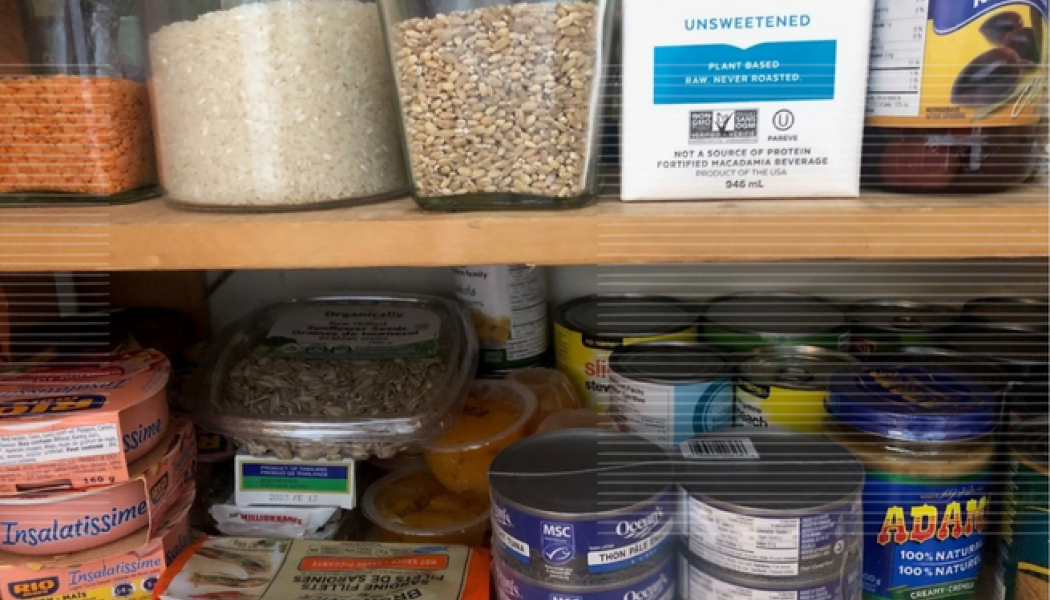
Having a plan before shopping pays off. Write a list of items you need by looking through your fridge and pantry before shopping. Keep an up-to-date note on your phone with the ingredients you use up and need to replace. A whiteboard on the side of the fridge is a great idea too. Consider downloading an app on your phone that tracks coupons, savings and deals at your local grocery stores.
2. Learn which fresh foods freeze well
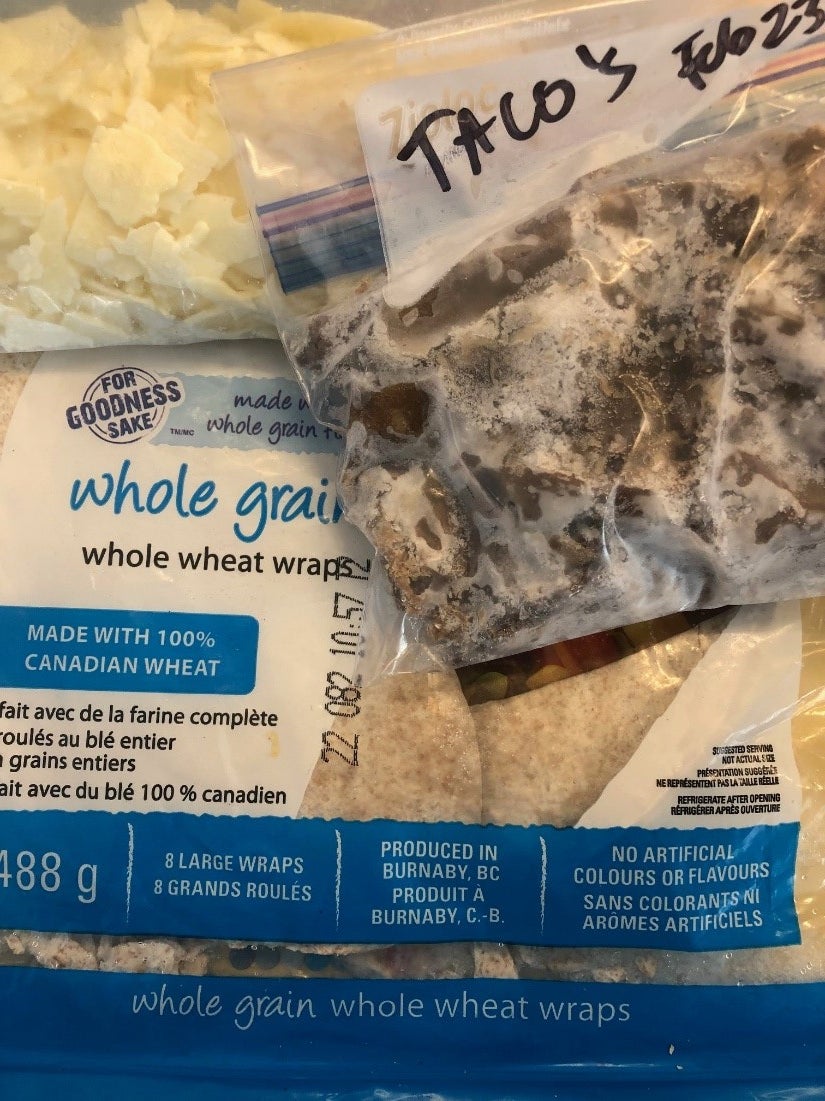
You would be surprised at how many fresh foods can be preserved in the freezer instead of going to waste. Freeze foods before they go bad, and use them in cooking later. Some unexpected freezer candidates include tomatoes, citrus fruit, herbs, ginger, garlic, bread, shredded cheese, cooked pasta and butter. You can even store brown sugar in the freezer to keep it fresh and to prevent hardening.
3. Make meals and snacks that freeze well
Cook once and eat twice by freezing leftovers for a quick meal on a busy night. When you cook with your freezer in mind, you can increase variety in your meals by reheating frozen leftovers.
Keep the easiest recipes that make great leftovers on hand. Print, pin or save them as a screenshot in a photo album on your phone. For example, compile a list of your favourite muffin, soup and smoothie recipes, all of which freeze well.
Check out this Freezing 101 resource to see what ingredients, foods and meals you can freeze, and get tips for better tasting frozen food.
4. Repurpose leftovers
Do you find that you avoid leftovers in your fridge altogether? Try using leftovers from meals in other delicious recipes. For example:
- Use mashed potatoes on top of a shepherd’s pie later in the week.
- Make different sauces and keep them in your fridge to change leftovers up.
- Some ideas include kale pesto, peanut sauce, jalapeno ranch, garlic cilantro aioli, or a creamy honey mustard. Add these to pasta, pizzas or even sandwiches for added flavour.
5. Compost leftovers and food scraps
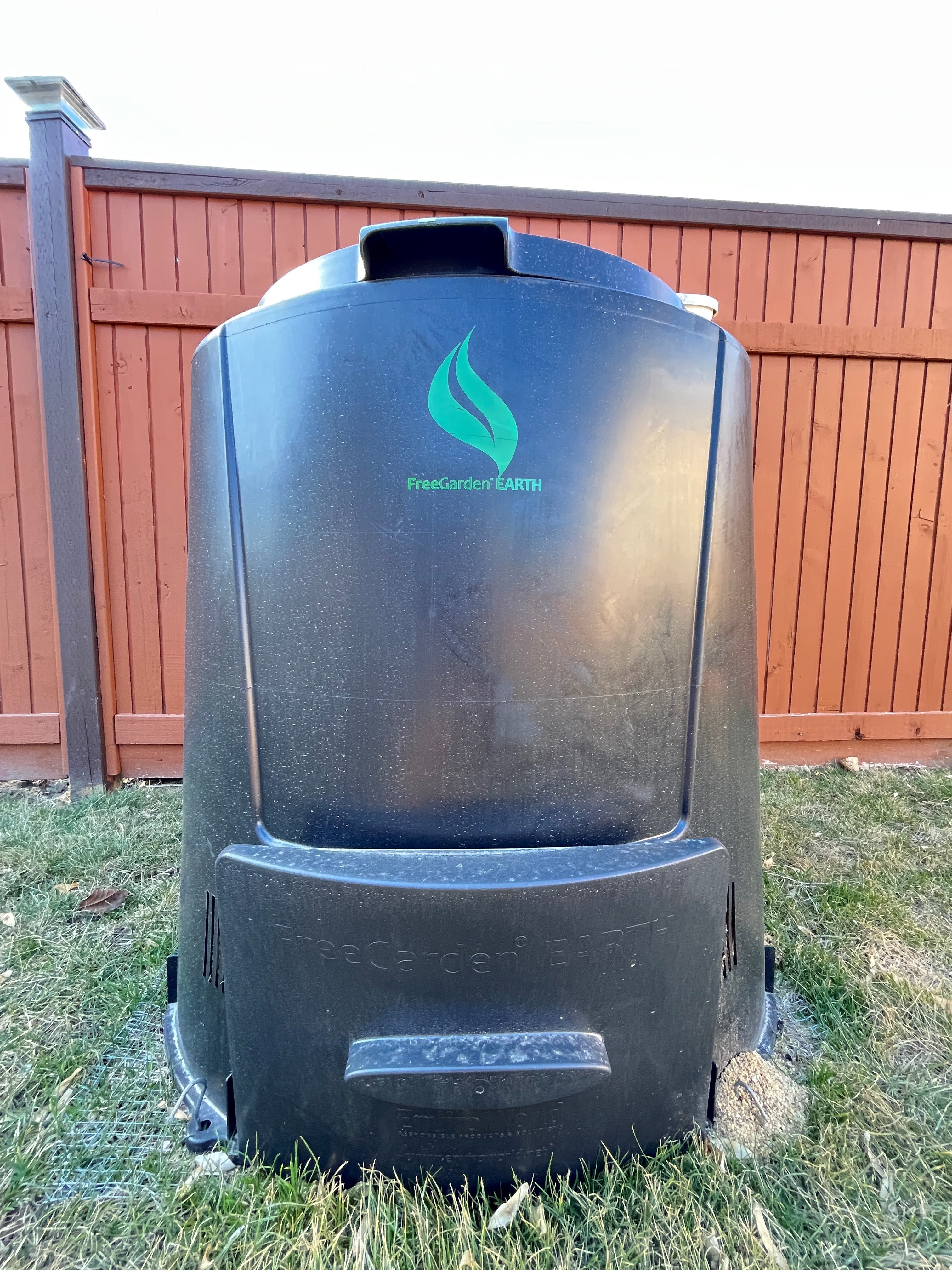
If leftovers do become inedible, consider composting instead of throwing them out in the garbage. Keep odours down by placing a waste container in the freezer for spoiled foods and scraps from food preparation. When it fills up, add it to your compost bin, green bin or a local composting pile. Be sure to read tips on home composting, and local green bin requirements: some won’t accept food items like meat and bones, for example.
About our Nutrition Month 2023 series
March is National Nutrition Month, led by dietitians across the country. Dietitians work on many levels to support the nutritional needs and challenges of individuals, families and communities. They recognize that the recent increase in food costs have meant that a healthy diet is out of reach for many British Columbians.
To mark Nutrition Month 2023, we’re featuring articles written by UBC Dietetics practicum students and our staff to help you eat better, live better and save some money. Check out other stories in the series:
5 reasons to choose frozen produce over fresh
This article was written by Lisa Pritchard, a UBC Dietetics student living in Vancouver. She completed the first three months of her practicum with Interior Health.
Travel nurses Michaela and Nick moved from Ontario to B.C., finding careers, community and a new home in Coldstream.
/stories/travel-nursing-brings-ontario-couple-new-home-coldstream
By sharing his story, Dave hopes others struggling with addiction understand that recovery is possible and that support is available.
/stories/what-worked-me-daves-healing-journey-addiction
For IH, wildfire preparedness is shaped by years of experience, regular training, exercises, inventories and relationships with partners across the region.
/stories/ih-prepares-wildfire-season-long-smoke-arrives
IH’s CMH redevelopment team travelled around Cariboo to reconnect with Indigenous communities and share how their input is shaping the hospital's new building.
/stories/closing-circle-indigenous-communities-shaping-future-cmh
Chris Turner turned to addiction as a teenager, but through his recovery has become a mentor to give hope to others battling addiction.
/stories/what-worked-me-chriss-focus-daily-skills-helps-recovery
Find tips for walking, biking or rolling to school safely. Learn how to make it safer to travel to school in your community.
/stories/how-walk-bike-or-roll-school-safely
STAY CONNECTED
Receive news, alerts, public service announcements and articles right to your inbox.